Two candidates are competing to replace longtime Polk County supervisor Tom Hockensmith, who will retire from his District 4 seat at the end of the year.
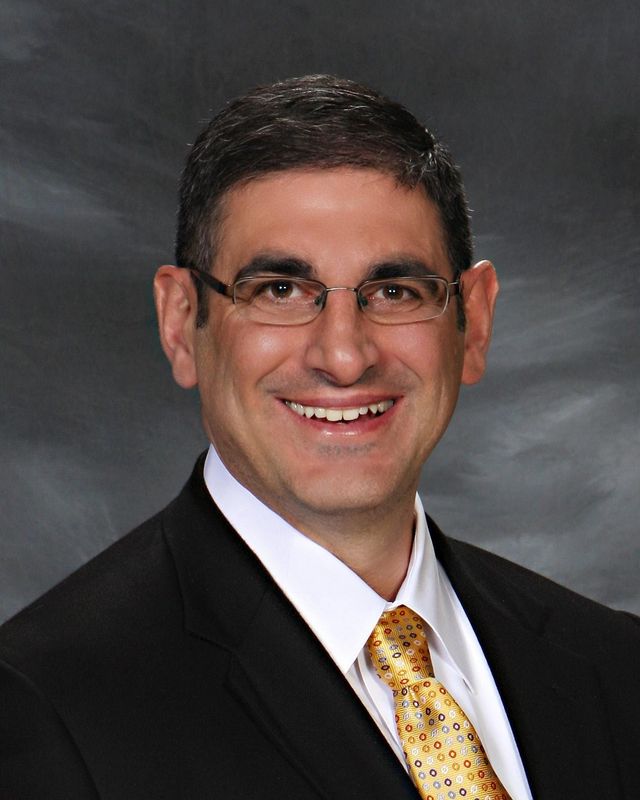
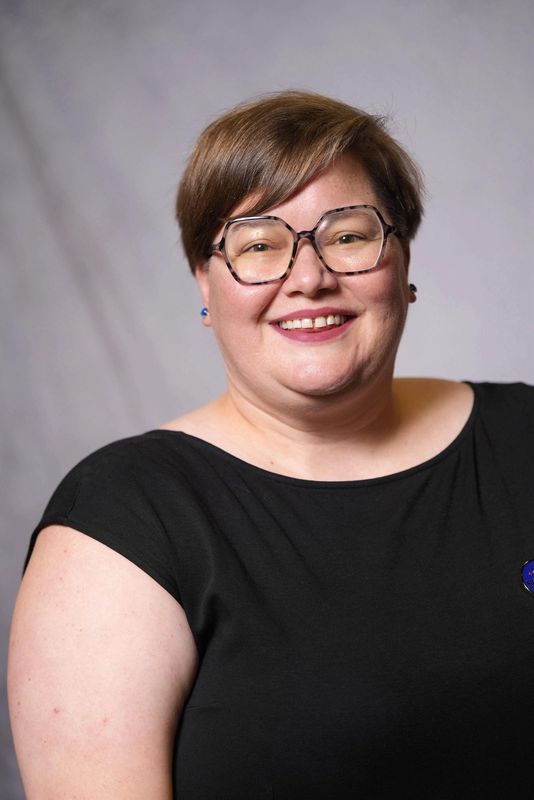
Democrats Joe Gatto, a Des Moines City Council member, and Heather Jones-Brown will square off in the June primary to represent the Polk County Board of Supervisors seat for east Des Moines, parts of southeast Des Moines, Pleasant Hill, Runnells, Camp Township, and Four Mile Township.

The Register asked each candidate to respond to questions about why they’re running and the biggest issues facing Polk County. Their answers may be edited for length or clarity.
Winners of the June 2 primary will appear on the ballot in the Nov. 3 general election. All positions are for four-year terms.
Joe Gatto
Age: 58
Party: Democrat
Lives in: Des Moines
Current occupation: Owner of Baratta’s Restaurant and catering operations; Des Moines Ward 4 City Council member
Education background: Graduate of Lincoln High School in Des Moines. Lifelong Des Moines resident who built my career through hands-on business experience, community involvement, and public service.
Political experience: Current Ward 4 Des Moines City Council member with over a decade of service and a proven record of delivering results. I’ve worked directly with residents, small businesses, and labor to move projects forward, improve infrastructure, and support public safety. I focus on practical solutions — not politics — because results matter.
Heather Jones-Brown
Age: 41
Party: Democrat
Lives in: Des Moines
Current occupation: Oversees staff recruitment, hiring, employee resource groups, and employment accommodations.
Education background: Master’s in business leadership, William Penn University; Bachelor’s in political science and international relations, William Jewell College
Political experience: Precinct captain in 2008, deputy campaign manager for Deidre DeJear (2018), NAACP Des Moines civic engagement chair (2019), nonpartisan voter engagement and political candidate training (2020-present)
What is the most important issue facing Polk County and what would you do to address it?
Gatto: The most important issue facing Polk County is affordability. Families are dealing with rising property taxes, housing costs, and inflation. We need leaders who understand how decisions impact everyday budgets. I will focus on responsible spending, protecting core services, and supporting economic growth that creates good-paying jobs. This isn’t about politics — it’s about making sure county government works efficiently and delivers real value to taxpayers.
Jones-Brown: The most urgent issue is public health. As an example, rising cancer rates and gaps in mental health care are being compounded by state level limitations. We cannot treat health as separate from county government. Health is shaped by the conditions people live in. I would embed a whole person health lens into every major county supervisor decision, search for additional resources through cross-system partnerships, and align services so residents can be healthy and whole.
As Polk County faces budgeting challenges, what programs or services do you consider essential and should be protected and where would you be willing to make cuts?
Gatto: Public safety, courts, public health, infrastructure, and services for seniors and vulnerable residents must be protected — those are core responsibilities. We also need to be honest about spending. I would prioritize eliminating inefficiencies, reducing administrative overhead, and cutting lower-priority programs that don’t directly serve residents. Government should live within its means, just like families and small businesses do every day.
Jones-Brown: Stewardship means making data-driven, transparent choices, not reactive cuts. Cutting essential services may balance a budget in the short term, but it creates long-term costs for families and the county. Before making cuts, we must gather community input, especially from those most impacted. Budget decisions should not happen behind closed doors. I would focus reductions on inefficiencies, duplication, and programs without clear outcomes. Where possible, I would work with community partners to sustain critical services.
What role should Polk County have in addressing central Iowa’s water quality issues?
Gatto: Polk County should take a leadership role by bringing stakeholders together and focusing on results, not bureaucracy. We need practical, measurable solutions like watershed improvements, better stormwater management, and conservation partnerships. Clean water is essential, but so is accountability. The county should invest in projects that deliver real impact while respecting taxpayers and working collaboratively with agriculture, cities, and the state.
Jones-Brown: Polk County should lead through partnership and accountability. Water quality does not stop at county lines, so we need to strengthen coalitions up and down the river that include county supervisors, farmers, landowners, and agricultural partners. The county should continue investing in monitoring, watershed protection, and stormwater management, while aligning efforts across jurisdictions. Clean water is a public health issue, and long-term solutions require shared responsibility and coordination.
Virginia Barreda is the Des Moines city government and Polk County reporter for the Register. She can be reached at vbarreda@dmreg.com.
This article originally appeared on Des Moines Register: 2 candidates running for Polk County supervisor in District 4
Reporting by Virginia Barreda, Des Moines Register / Des Moines Register
USA TODAY Network via Reuters Connect