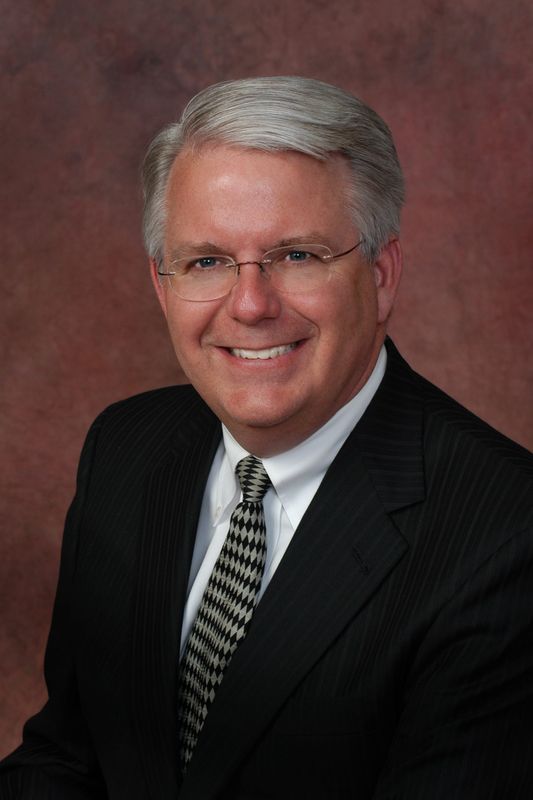
Former Democratic Iowa state Rep. John Forbes is challenging Matt McCoy to represent District 1 on the Polk County Board of Supervisors.
Forbes and supervisor chair McCoy will face off in the June 2 primary for the seat, which represents Des Moines’ southwest side, West Des Moines, Clive and Windsor Heights.

The race marks Forbes’ second run for a seat on the county board. He narrowly lost against Republican Jill Altringer in the November 2024 election to represent District 2. McCoy, a Democrat, announced his reelection bid for District 1 in November.
The Register asked each candidate to respond to questions about why they’re running and the biggest issues facing Polk County. Their answers may be edited for length or clarity.
Primary winners will appear on the ballot in the Nov. 3 general election. All positions are for four-year terms.
John Forbes
Age: 69
Party: Democrat
Lives in: West Des Moines
Current occupation: Retired pharmacist/business owner
Education background: Bachelor’s in pharmacy, Drake University, 1980
Political experience: Former Urbandale city councilman, 2004-2012; Iowa House of Representatives, 2013-2025
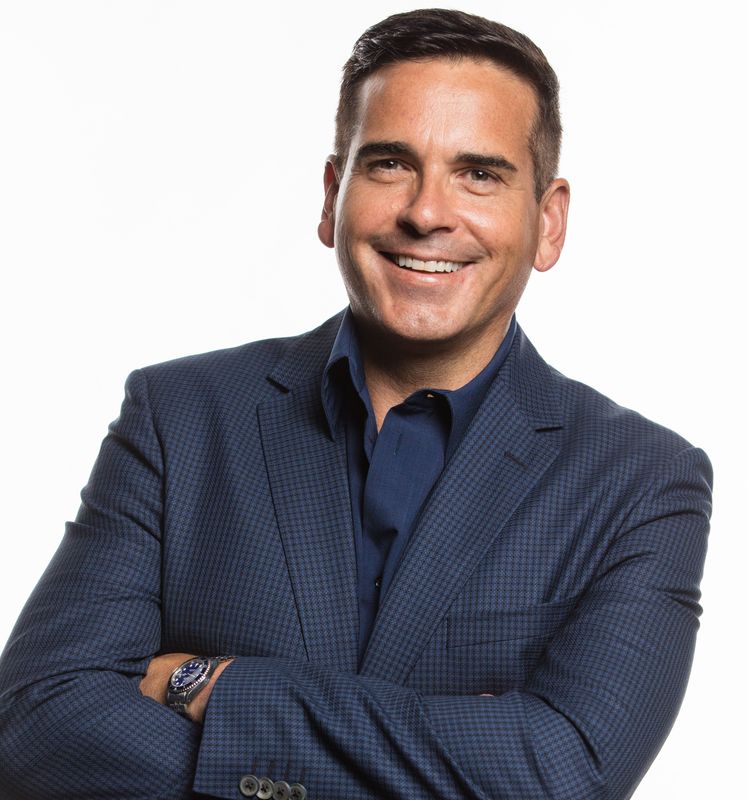
Matt McCoy (incumbent)
Age: 60
Party: Democrat
Lives in: Des Moines
Current occupation: Polk County supervisor, District 1
Education background: Dowling Catholic High School, 1984; Briar Cliff College, bachelor’s in political science, 1988
Political experience: Polk County supervisor 2019-present; Iowa senator, 1997-2018; Iowa representative, 1993-1997
What is the most important issue facing Polk County and what would you do to address it?
Forbes: The most pressing issue facing Polk County is a lack of trust driven by dysfunction and politics. Taxpayers deserve stable and accountable leadership. We need to turn the page on infighting and focus on results. As your county supervisor, I will prioritize listening to residents, collaboration, and delivering on core services. With my experience in local and state government, I am prepared to step in on day one and restore effective, responsible leadership that puts people, not politics, first.
McCoy: Clean water: The explosion of factory farming operations over the past decade has led to Iowa having some of the most polluted water in the United States. I will pursue greater public-private collaboration and using county resources to leverage other local, state, federal and private dollars to build proven, sustainable watershed infrastructure. The water quality crisis gripping our state will not be resolved without county government working in a more integrated manner with neighboring communities.
As Polk County faces budgeting challenges, what programs or services do you consider essential and should be protected and where would you be willing to make cuts?
Forbes: Public safety and human services, especially mental health, housing, and programs like the sobering center championed by supervisor Connolly, must be continued. These investments reduce long-term costs by keeping people out of jails and emergency systems. We should cut spending that doesn’t directly serve residents, including the $300,000 PR campaign promoted by chair McCoy and unnecessary use of outside legal counsel when county staff can do the work. Budgeting should reflect clear priorities: safety and wellbeing of our taxpayers.
McCoy: Over the past two years that I’ve been board chair, we have found ways to deliver priority services to our residents while reducing property taxes two years in a row. Find efficiencies, streamline services, and continue to invest in high quality services for our residents. We have been working diligently to establish regional collaboration and identifying waste and redundancy among local governments. I consider any service for seniors or marginalized individuals as essential. I’m committed to maintaining high levels of support for food security and assistance for unsheltered in our community.
What role should Polk County have in addressing central Iowa’s water quality issues?
Forbes: The source of Central Iowa’s water quality issues are unfortunately upstream from Polk County. Polk County should lead by example through supporting public research, wetlands restoration, in-field ag practices like cover crops, and streambank stabilization measures. Our water quality issues are a statewide problem impacted by state and federal policies. I will take a lead role in advocating for policy changes with state and federal elected officials and support the county’s involvement in building a broad coalition of Iowans to demand agriculture and environmental policy changes.
McCoy: During McCoy’s time as board chair, Polk County released the most comprehensive, unbiased analysis of water quality in the Des Moines and Raccoon rivers and invested $200,000 to assist in keeping 60 water monitoring sensors active and online to ensure no lapse in critical water quality data collection. In addition, the county invested millions into many water quality initiatives such as saturated buffers, wetlands, bioreactors, ag-urban cover crop seeder program, and stream restoration projects. Polk County leads in many water quality initiatives that’s replicated in 13 counties and four states.
Virginia Barreda is the Des Moines city government reporter for the Register. She can be reached at vbarreda@dmreg.com.
This article originally appeared on Des Moines Register: Meet the candidates running for Polk County supervisor in District 1
Reporting by Virginia Barreda, Des Moines Register / Des Moines Register
USA TODAY Network via Reuters Connect