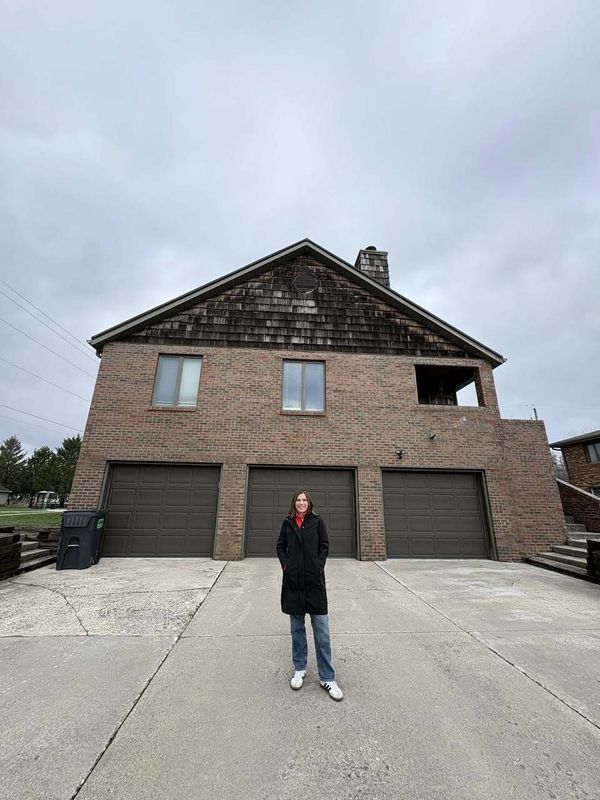
Crystal Terry could spend hours talking about how beautiful it is to live at Anchored Hope.
Terry’s housing situation has evolved dramatically throughout her life. She was in foster care for two years as a child, and after her relationship with her adoptive family deteriorated, she bounced from house to house until she found Anchored Hope.

The Ames nonprofit’s mission is to provide a safe home for young adults transitioning from foster care. It also offers education, employment, life skills, health, financial literacy and community support.
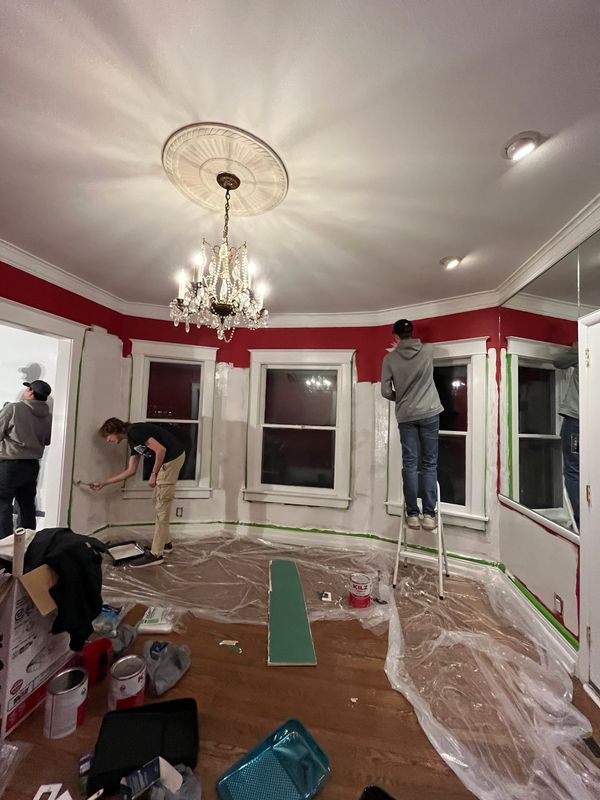
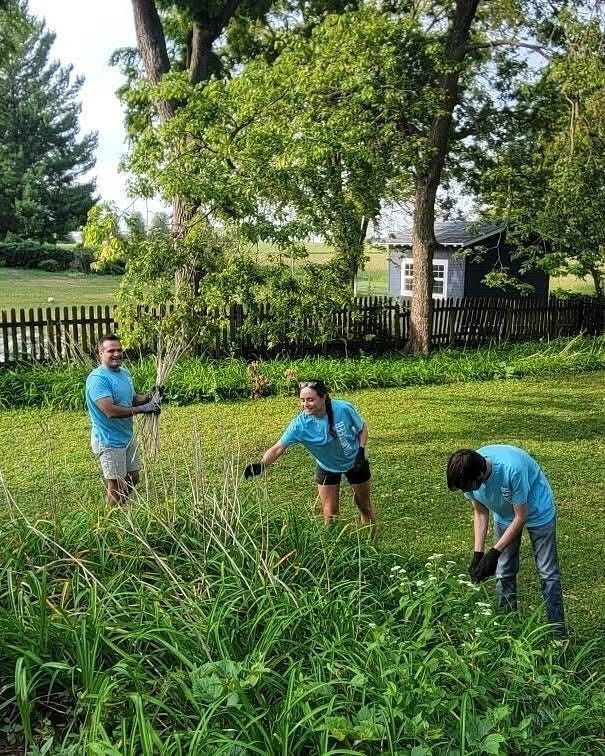
The women’s house opened in June 2025, helping young women ages 18-24 transition from foster care to independent living. Terry has been living at Anchored Hope since November 2025 and finds it “relieving,” which includes the bond she’s built with her housemates, staff and volunteers.
“Once you meet these people and have a relationship with them, it’s just full of care and support and warmth in a way that I don’t think I’ve felt since I was very young,” Terry said. “They truly want the best for us.”
In May, Anchored Hope opened a second house in Ames specifically for young men. The nonprofit hosted an open house on May 14.
From unstable housing to community in Ames
Terry has lived in Anchored Hope’s house for young women since November 2025. She was previously in a YSS program when her caseworker mentioned the new organization as an option.
“It was super fortunate timing, because if not for Anchored Hope, I’d probably be homeless right now,” Terry said.
Terry lived with her mom and two sisters until she was seven, when her mom lost parental rights. Terry lived in foster care for the next two years, staying in at least 12 different homes.
She was adopted at age 10, and though her relationship with the family started well, it deteriorated as she got older.
“When I turned 18, that’s when my parents were kind of just done,” Terry said. “They had raised me; they didn’t want me in their life anymore.”
The “toxic” relationship between Terry and her adoptive family festered until she finally left when she was 22. She bounced around, including a stint with her biological family, where she rebuilt her relationship with her father and reconnected with her sisters. The family helped get Terry into a rapid rehousing program before she eventually found Anchored Hope.
“In situations like this, it could very easily feel like a group home, and it’s less than fun when you’re in a situation where everyone around you feels like a staff member,” Terry said. “Here, it feels like a family, and I have my loved ones around me, supporting me and nourishing relationships.”
Terry is working full-time and plans to finish her English degree.
Anchored Hope is a place where youth can dream
Anchored Hope was a long-time dream for executive director Wendy Van Dyke. Her mother and her siblings aged out of foster care, motivating her to become a foster care advocate in 2018. She quickly learned how little support older youth receive.
“That process (of aging out) is supposed to start when they’re 14, but it doesn’t always, just because there’s so many kids and so few caseworkers,” Van Dyke said. “Sometimes it’s literally a week or two before they turn 18, and the caseworker is trying to help them find housing.”
Around 450 Iowans age out of foster care each year, Van Dyke said. About 50% don’t finish high school, 25% are instantly homeless, and 70% of girls are pregnant by age 21.
Van Dyke often saw youth lacking support and facing gaps in their education and life skills, which motivated her to start Anchored Hope in 2024.
What is it like to live at Anchored Hope?
Each of Anchored Hope’s homes can house five people at a time.
The young women’s home has served nine girls since opening last year, and five boys were expected to move into the new home when it opened.
Young adults at Anchored Hope are required to work or attend school, with the support of the local nonprofit.
“We’re helping with job skills, resumes, mock interviews, just making sure that they have the support that they need,” Van Dyke said.
Anchored Hope hosts life skills classes once a month, covering topics ranging from banking to mental health.
Van Dyke said youth leaving foster care need support because they face a situation through no fault of their own.
“These are youth that have dreams just like any other 18 to 24-year-olds,” Van Dyke said. “When you don’t have stable housing, you can’t even dream, because you’re just trying to survive. We’re trying to be that place for them where they can start dreaming about the future.”
Celia Brocker is a government, crime, political and education reporter for the Ames Tribune. She can be reached at CBrocker@gannett.com
This article originally appeared on Ames Tribune: Anchored Hope provides relief for youth transitioning from foster care
Reporting by Celia Brocker, Ames Tribune / Ames Tribune
USA TODAY Network via Reuters Connect