At a community meeting, residents of the LaSalle Park neighborhood addressed City of South Bend leaders. Fifty people from “Beck’s Lake,” as they often called the area, brought with them a petition signed by an additional 250 of their neighbors. They asked for significant new investment in their community, correcting for decades of neglect and disinvestment by bringing it on par with other areas.

This was 1959. Residents along the western end of West Washington Street were calling out conditions that were grossly unequal to other parts of the city.
The road was not paved; it was dirt. Activist Willie Mae Butts worked with the Urban League and often went into the neighborhood. In a 2003 oral history interview with the Indiana University South Bend Civil Rights Heritage Center, she relayed, “It was just like the pits of the South. No street lights, no sidewalks for the children to walk on. The streets may have been big enough to go down with just one car. Most of the streets were dirt. Like a hard dirt because you’d get a lot of dust. There were no sidewalks, no outdoor lights.”
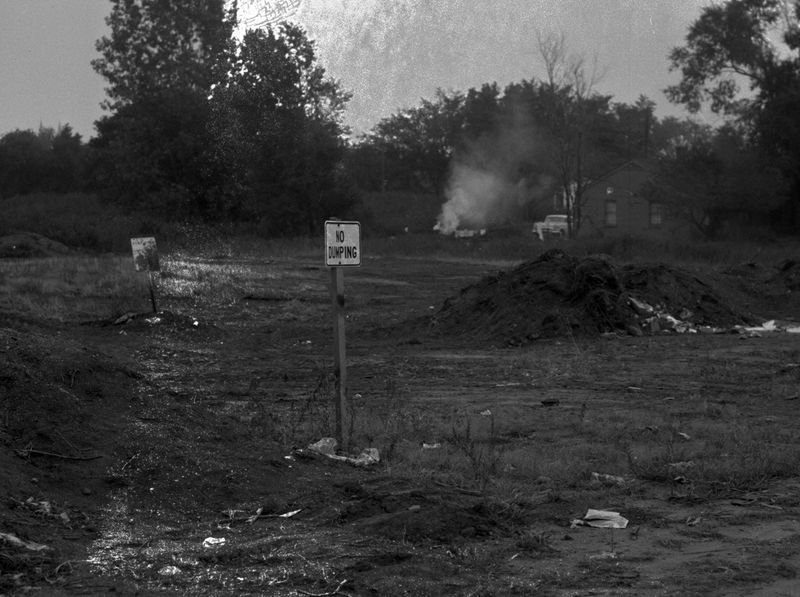
In 2007, Gail Brodie, daughter of LaSalle Park neighborhood activist Annette Brodie, said about the dirt roads, “You hang laundry on the line, that was a no-no because it didn’t make any difference. In the summertime, dust would go everywhere.” As a teenager, she joined her mother and many other residents to hold picket signs demanding bold action by the city. The city’s response was to “put oil on the street to keep the dust down if people complained too much.” Worse yet, until the 1960s, the area was used as a trash dump receiving chemical waste from the nearby Bendix corporation as well as household waste from all over the city. So many people used it that one city official had to warn, “It may be necessary to close Washington altogether if dumping on the roadway is not discontinued.” At one point, an estimated 50 loads of trash were dumped there per day.
This is why in 1959, after years upon years of disinvestment, LaSalle Park residents delivered to city officials a petition asking only for fairness and for equitable treatment with predominately white neighborhoods throughout the city. They asked for roads, sidewalks and sewers.
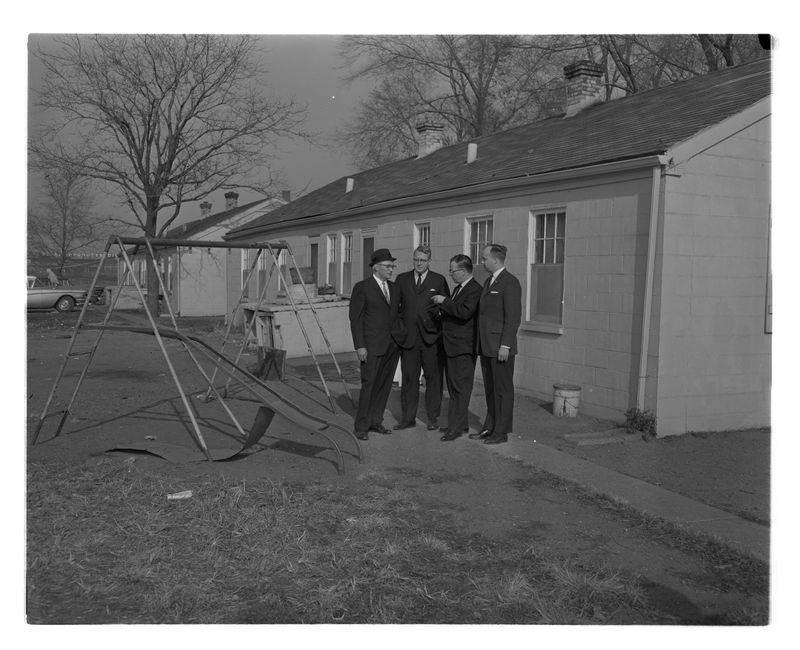
The city responded to their petition by promising a park. Three years later, by 1962, the park was only two-thirds completed.
This example is only one in a long history of tensions between what residents of this historically African American neighborhood have asked of their city, and what representatives of the City of South Bend have (or have not) delivered.
Despite the city’s response, over several generations residents took it upon themselves to organize and make improvements. Among many examples, in 1958, local organizer Annette Brodie organized a cleanup effort that “cleaned up 19 alleys, 73 backyards, 65 front yards, six vacant lots and seven house gutters.”
This history is nearly 70 years ago, and yet the tension between what residents ask and what the city delivers continues today. Recently, after years of research and compilation, the Reparatory Justice Commission delivered a report outlining the continued impacts from the city’s inability to prioritize this neighborhood. South Bend leaders now face a similar decision to ones their predecessors had: deliver transformative action, or build another park?
George Garner is a South Bend area historian and museum professional. He serves as the assistant director and curator for the Civil Rights Heritage Center.
This article originally appeared on South Bend Tribune: Will city leaders deliver transformative action to LaSalle Park?
Reporting by George Garner, Guest columnist / South Bend Tribune
USA TODAY Network via Reuters Connect
By George Garner, Guest columnist | USA TODAY Network