Indiana can expect dry temperatures around the state at the beginning of October. Although fall kicked off earlier this week, it’ll be a little while before we are affected by a polar vortex.
Hoosiers can, however, expect to see the first frosts of 2025 by the end of next month, according to records kept by the National Weather Service.

Three sets of forecast models show we’re in for an unpredictable winter at the end of this year, but in the meantime, you don’t have to worry about plants quite yet.
But when the time does come, here’s what weather experts are saying about the coming winter predictions, how we’ll be impacted by a polar vortex, and when we can expect our first frosts around the state.
What NOAA’s Climate Prediction Center says about seasonal temperatures
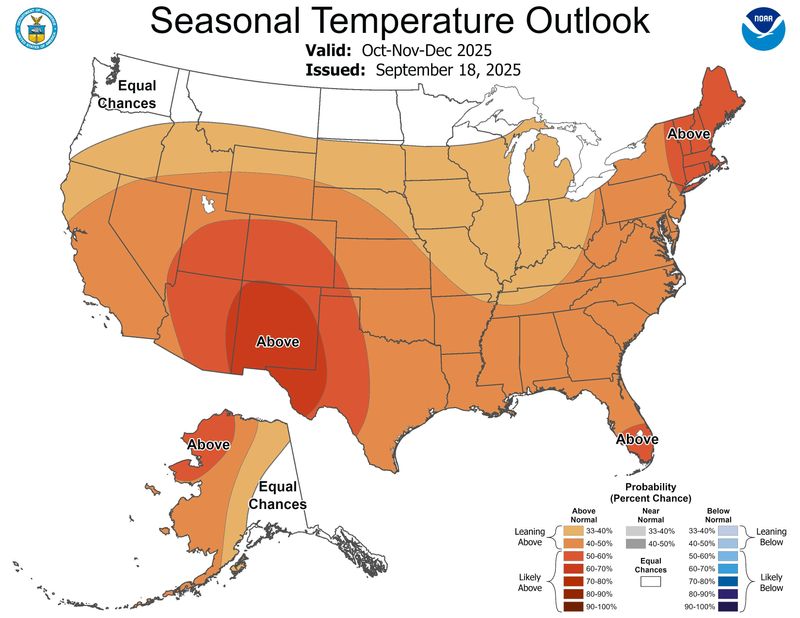
A seasonal temperature outlook map issued Sept. 18 by the National Oceanic and Atmospheric Administration (NOAA) shows Indiana leaning toward “above normal” temperatures for October through December.
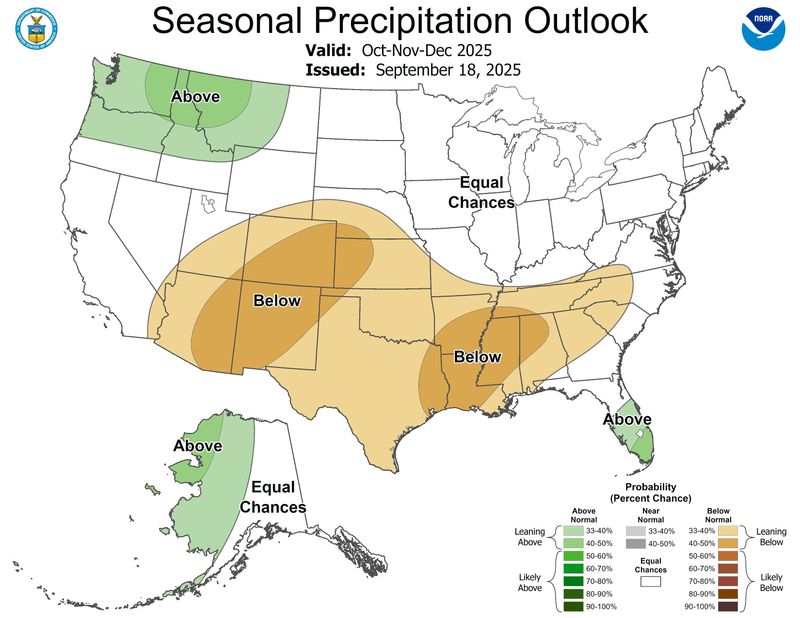
Federal meteorologists predict Indiana has equal chances for above or below normal precipitation over the next three months.
When will cold air move into the state? Indiana average first frost dates
Records kept by NWS show Indianapolis residents can expect the average first freeze of the year (when temperatures drop below 32 degrees) by Oct. 28. The first hard freeze usually hits around Nov. 5.
According to the Old Farmer’s Almanac, these are the average dates for the first frost of fall in major cities across Indiana.
Other weather predictions: Indiana might have shorter, earlier window of fall colors in 2025. See when fall leaves peak.
When should I bring in my plants? What date was the first frost last year in Indiana?
Frosty weather waited until around late November to chill large swaths of the Hoosier State. The first time in Fall 2024 when temperatures dipped below 32 degrees, according to NWS and AccuWeather, happened on these dates for the following Indiana cities:
What is a polar vortex?
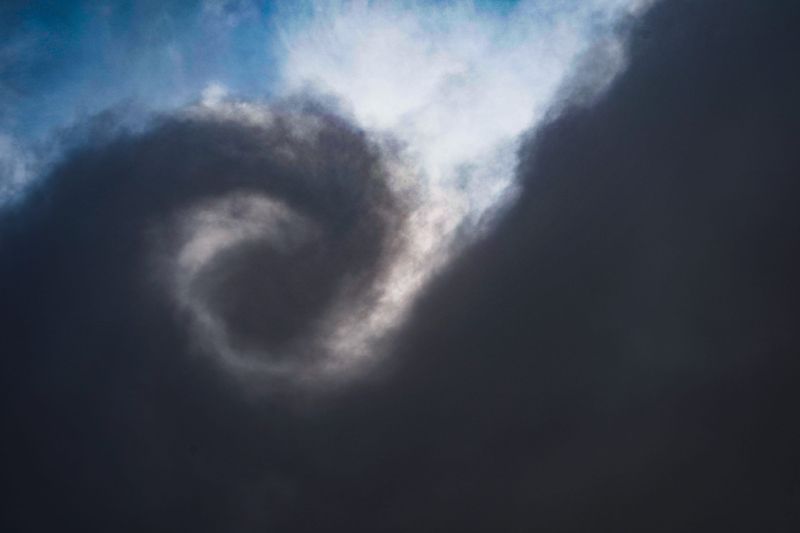
A large area of low pressure and cold air surrounds both of the Earth’s poles, according to the National Weather Service. A polar vortex always exists near the poles, but weakens in the summer and strengthens in the winter. The term “vortex” refers to the counter-clockwise flow of air that helps keep the cold air near the poles.
Story continues after photo gallery.
The National Weather Service said many times during winter in the northern hemisphere, the polar vortex will expand, sending cold air southward with the jet stream. This occurs fairly regularly during winter and is often associated with large outbreaks of Arctic air in the United States.
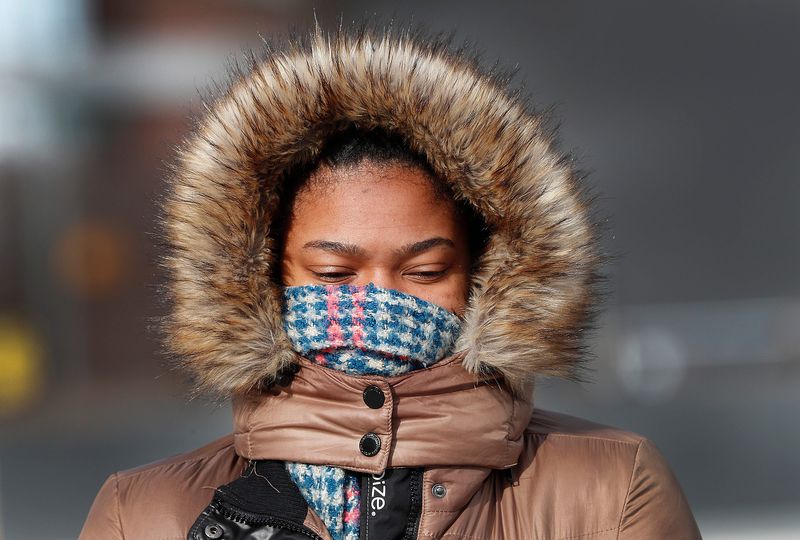
The service said there is no cause to be alarmed when you hear about a polar vortex, but you should be prepared for colder temperatures.
What happens during a polar vortex?
According to NOAA, sometimes this low pressure system, full of arctic air, can weaken and travel from its usual position. As this happens, colder arctic air can break off and migrate south, causing freezing conditions.
Areas as far south as Florida may experience arctic weather as a result.
Does the polar vortex cause all cold weather?
Cold temperatures due to the polar vortex are not rare in the United States, but it is important to remember that not all cold weather comes from the polar vortex, according to NOAA.
Although cold air from the polar vortex can be pushed south, it typically remains parked in polar regions. It takes pretty unusual conditions for the vortex to weaken or migrate far south.
How long do polar vortexes last?
According to NWS Indianapolis meteorologists, a polar vortex doesn’t have an average length.
It could affect a region or area for a couple of days or a couple of weekends, depending on blocking patterns. An example of this was a “cold snap” that happened in December 2022, where temperatures dipped below -10 degrees and NWS Indianapolis said the effects of a polar vortex lasted 5 days.
La Niña could impact this winter weather in 2025-26
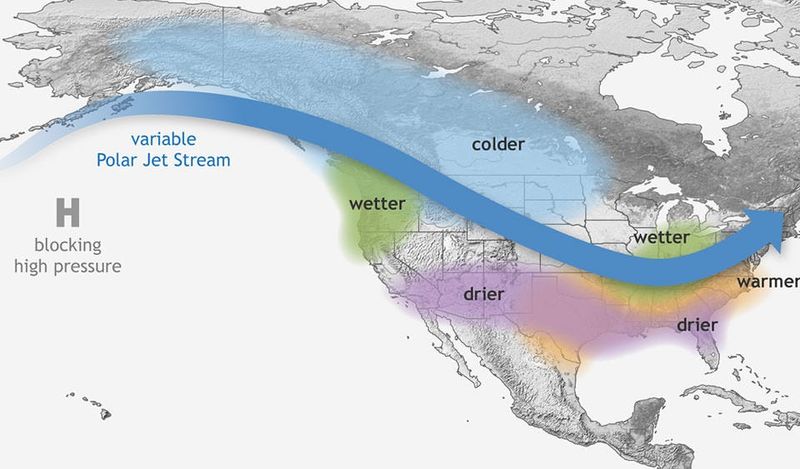
Federal forecasters predict a “brief period of weak La Niña conditions” is expected in the late fall and early winter, which could bring cooler and wetter temperatures to Indiana.
“Chances for the development of La Niña increase as we approach the upcoming winter,” Johnna Infanti, a seasonal forecaster with NOAA’s Climate Prediction Center told USA TODAY in an August email.
According to Infanti, some typical impacts of a La Niña winter can include cooler temperatures over the northern United States, and diminished storm track activity over the southern tier of the United States leading to milder-than-normal temperatures and below-normal precipitation.
(This article was updated to correct a typo.)
Jade Jackson is a public safety reporter for the Indianapolis Star. You can email her at Jade.Jackson@IndyStar.com and follow her on X, formerly Twitter @IAMJADEJACKSON. John Tufts covers trending news for IndyStar and Midwest Connect. Send him a news tip at JTufts@Gannett.com. Find him on BlueSky at JohnWritesStuff.
This article originally appeared on Indianapolis Star: The polar vortex will affect Indiana, but not yet. When first frost dates might happen
Reporting by Jade Jackson and John Tufts, Indianapolis Star / Indianapolis Star
USA TODAY Network via Reuters Connect