MISHAWAKA — Starting in July, Mishawaka residents will see their water utility bill increase slightly every month for five years thanks to the Mishawaka Water Utility water rate plan.
The increase may not seem noticeable at first. An extra 16 to 21 cents on every bill probably won’t turn many heads. But the small rate increases will add up until the bills will be over 25% more expensive in 2031.

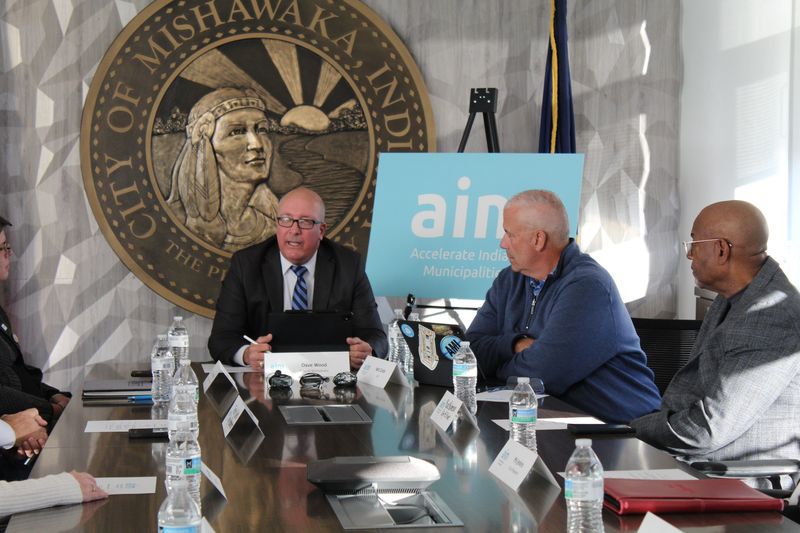
The city’s Common Council voted 8-0 in favor of the increase after hearing from the water utility leaders and Mayor Dave Wood, who attended the meeting to show his support for the rate increase. Council member Dale “Woody” Emmons was absent from the meeting.
The water facility has been around for more than 100 years, Wood said, and distributes more than 2 billion gallons of water to 175,000 customers through 332 miles of water mains and three water plants.
“These decisions are tough. We always hate to raise rates,” Wood said. “We don’t want to do a rate increase now, but rate increases are what allows us to maintain our system and keep it at the highest levels. So, when you think about this rate case, it will support a $38 million filtration plant upgrade.” A plant where its filters have not been upgraded or touched for 60 years, he added.
This increase in the city’s water rate also follows an increase in wastewater and electricity rates in the span of three years.
Is it necessary?
The city started looking at adjusting the rate plan over a year ago to support the “needs of crucial infrastructure that serves the community every single day,” Matthew Lynch, executive director of development and governmental affairs, said.
The increase is necessary for water security in an aging water plant, and with a responsibility to prepare for the future, said Lynch, adding that the city decided a rate increase was better than leaving larger problems and costs for the next generation.
“We never want to wait until anything is broken,” Lynch said. “We have a five-year rate plan that is based upon both the audit and looking at the operational costs as well as the infrastructure costs. Nobody likes utility rate increases.”
“What we’re proposing is a disciplined, measured, stair-stepped” approach designed specifically to avoid the kind of massive shock increases many communities face when they delay action too long, he said.
Mishawaka resident and Penn Township Trustee candidate Nancy Duncan spoke in opposition to the rate increase, stating that residents are going to feel it.
“Here in our own area, we have families sending kids to school, [and] 40 to 45% of the kids are qualifying for reduced rate lunches or free lunches,” Duncan said. “They’re going to think a 25% [water rate increase] is too much … Food is going up. Gas, as you’ve probably noticed, is going up. There’s no reason to believe this trend I going to turn around anytime soon. Twenty five percent is too much.”
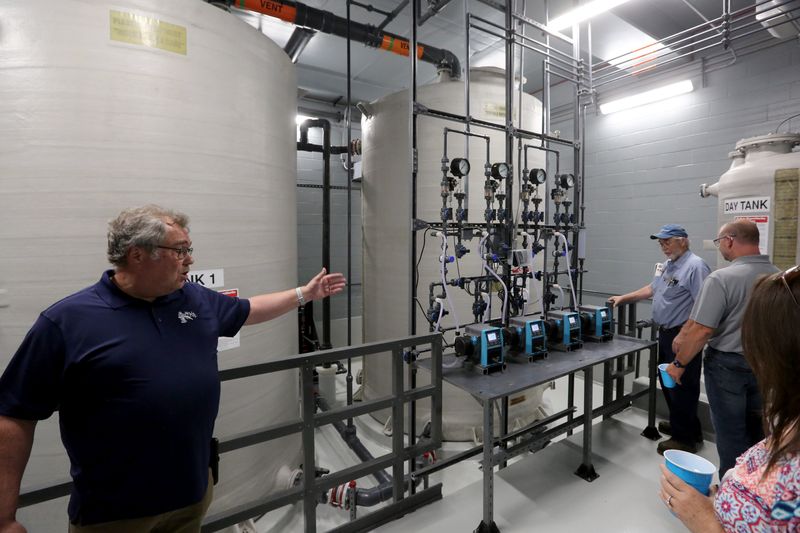
The Virgil Street Water Treatment Plant is specifically worrisome, Mishawaka Utilities Water Division Manager Dave Majewski said. The treatment plant runs 24 hours a day, seven days a week, and can reach anywhere in the city, Majewski said. After 60 years of running nonstop, though, the filtration system is at the end of its life.
Majewski worries that one day he’ll wake up, and it won’t work anymore.
“I’m glad it’s still working, but what will happen tomorrow?” Majewski said. “It’s tired and time for a makeover.”
Mishawaka Water Utilities is also one of the lowest-costing utility providers in the region, Lynch said, but along with affordability, reliability is also important, he said. As a nonprofit, the city isn’t increasing rates to benefit shareholders or investors, he said, but only to provide safe and reliable services to residents.
The city worked to create the rate plan with three goals in mind, according to Jeffrey Rowe, a consultant with Baker Tilly.
The current average monthly water bill is $33.95, Rowe said, and an increase of a little over $2 is cheaper than the wastewater increase of about $2.45 per month and the electricity increase of $4.50.
The starting rate increase for the water percentage is particularly lower than the wastewater and electricity increase because the average water bill is much lower, Rowe said, therefore, a small increase can still make a large impact. The city looked at alternative options but concluded a rate increase of at least $2 yearly was necessary.
In the future, Lynch said, he doesn’t believe residents will remember the increased rate over the courage and discipline the city showed to protect homes, neighborhoods, families and businesses from water insecurity.
“Progress is not just possible. It’s expected,” Lynch said. “Collaboration leads to action, [and] action delivers results.”
Mishawaka Utility Rate Assistant plan
In hopes of putting residents’ minds at ease, the city also proposed the Mishawaka Utility Rate Assistance plan, which will provide a 5% discount to some individuals or households affected by the rate increase.
Mishawaka currently works with REAL Services to provide qualifying residents with electric and heating expenses during the winter months. Now with the utility rate assistance plan, all residents who received help through the REAL Services Energy Assistance Program will receive a 5% discount on the base rates for water, wastewater and electricity for a full 12 months starting July 1, Lynch said.
“We’re willing to help where we can responsibly,” Lynch said. “We are a community that believes in responsibility, accountability, compassion and practical problem solving.
REAL Services applications open in August and can be applied for online or in person, Lynch said, despite being unaware of when the application window closes. The application will likely need proof of income, recent copies of utility bills and a copy of a signed residential lease, he said.
But, despite the common council approving the utilities assistance plan, Councilwoman Kate Voelker said she worries about residents who may need utility assistance outside of the application window.
“We have a 12-month program, so what if I suddenly qualify in April for the energy assistance program through the city of Mishawaka. May I apply in April?” Voelker asked.
Lynch said the city is discussing with REAL Services a plan for that situation exactly but doesn’t have an answer just yet.
Email South Bend Tribune business reporter Jessica Velez at jvelez@usatodayco.com.
This article originally appeared on South Bend Tribune: Mishawaka residents to see water rates climb every month for 5 years
Reporting by Jessica Velez, South Bend Tribune / South Bend Tribune
USA TODAY Network via Reuters Connect