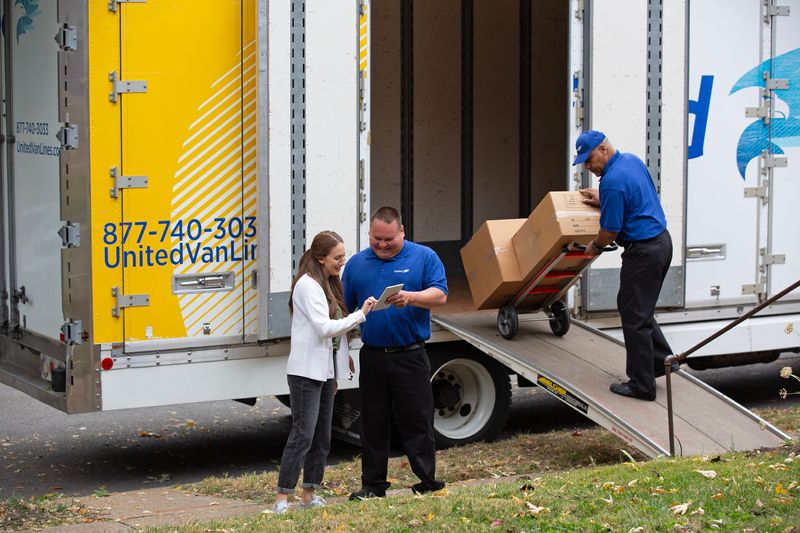
Moving can be one of life’s most stressful events. Between packing, planning and coordinating logistics, there is already a lot to manage. Unfortunately, scammers take advantage of that stress, especially during peak moving seasons in spring and summer.
From no-show movers to unexpected charges and even stolen belongings, moving scams can turn an already challenging experience into a costly one. Taking time to plan ahead and stay alert can help protect both your property and your peace of mind.

Know how moving scams work
Moving scams come in several forms, but many follow similar patterns. Some companies provide a low estimate, only to increase the price significantly after your belongings are loaded. Others may demand additional fees before delivering your items.
In more serious cases, scammers take a deposit and never show up, or they load your belongings and then hold them “hostage” until you pay more money.
Research before you hire
Before choosing a moving company, take time to do your homework. Look up the business at BBB.org to read reviews and check for complaints. Search the company’s name along with the word “scam” to see if others have reported problems. Reliable movers should have a track record you can verify.
Get estimates in writing
Always request a written estimate before agreeing to any service. Be cautious of companies that provide quotes without seeing your belongings or that refuse to put details in writing.
A clear, written agreement should include pricing, services and delivery timelines. This helps protect you if questions arise later. If a company is unwilling to provide documentation, consider it a red flag.
Be cautious with deposits and payments
Legitimate moving companies typically do not require large upfront payments. Be wary of requests for cash, wire transfers or full payment before the move takes place.
Secure payment methods can offer added protection. If a company insists on unusual payment terms, it may be best to look elsewhere.
Keep track of your belongings
Before moving day, create a detailed inventory of your items. This can help you confirm that everything arrives safely at your new location.
Taking photos of valuable items can also serve as documentation in case they are lost or damaged.
Watch for red flags on moving day
Pay attention to how the movers operate when they arrive. Warning signs may include unmarked trucks, a lack of proper equipment, or last-minute changes to pricing.
If the situation does not match what was agreed upon, do not feel pressured to continue. It is better to pause and reassess than to move forward with a questionable service.
Take your time and ask questions
Scammers often rely on urgency to push people into quick decisions. A reputable moving company should be willing to answer your questions and give you time to review your options.
Ask about licensing, insurance and how they handle complaints or disputes. Clear answers can help you feel more confident in your choice.
Plan ahead for a smoother move
Moving does not have to be overwhelming. By researching companies, getting everything in writing and staying alert to warning signs, you can reduce your risk and protect your belongings. A careful approach helps ensure your move is successful for the right reasons.
For more information, visit BBB.org. BBB’s business directory features profiles with verified reviews and complaint history to help you find trustworthy businesses. You can also file a complaint or submit a customer review. Visit BBB Scam Tracker to research or report scams.
To learn more about how to avoid common scams, visit BBB.org/AvoidScams. If you or a loved one has encountered a scam, whether you’ve lost money or not, report it at BBB.org/ScamTracker.
Jan Diaz is the President/CEO of the Better Business Bureau serving Northern Indiana, which serves 23 counties. Contact the BBB at 800-552-4631 or visit BBB.org.
This article originally appeared on South Bend Tribune: Moving soon? Protect yourself from common moving scams
Reporting by Jan Diaz, Guest columnist / South Bend Tribune
USA TODAY Network via Reuters Connect