LAFAYETTE, IN — The Journal & Courier asked candidates in contested primary races to answer questions to help voters learn about them.
A complete list of Tippecanoe County candidates on the May 5 Primary Election ballot can be found online.

Indiana Senate District 22
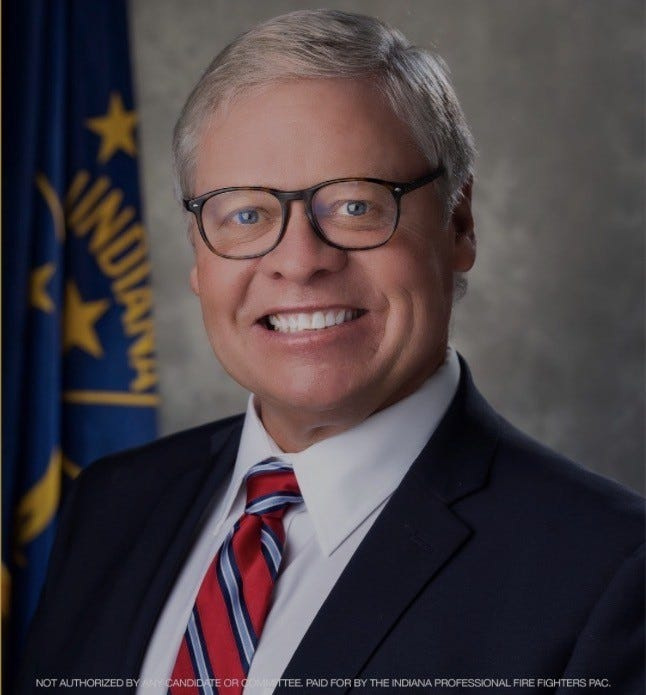
Incumbent State Sen. Ron Alting faces a Republican primary challenger in Richard Bagsby, a local constructor and Realtor.
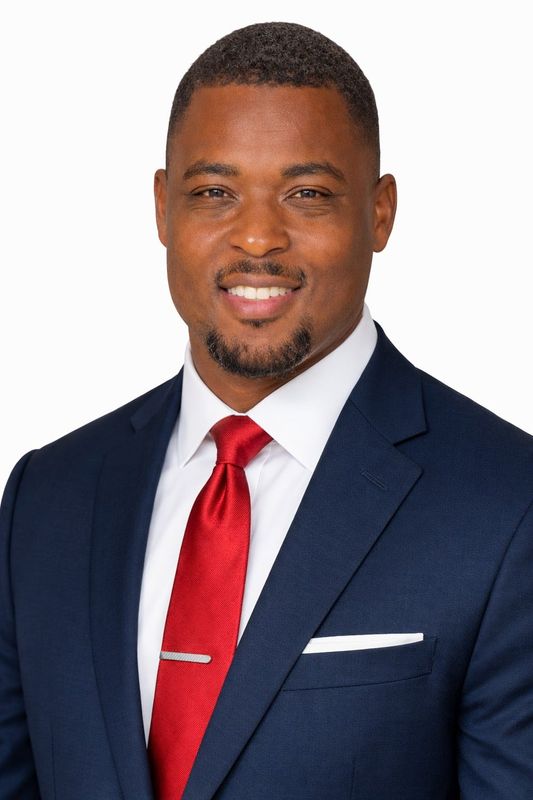
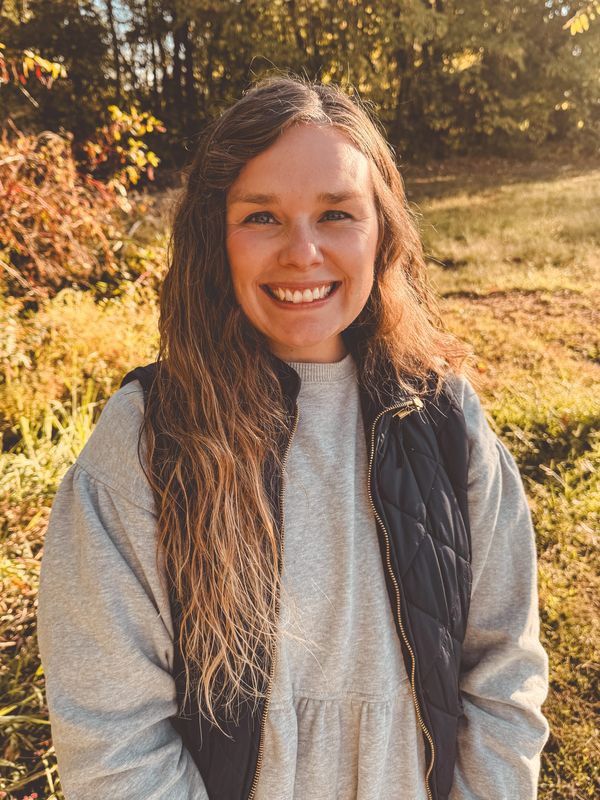
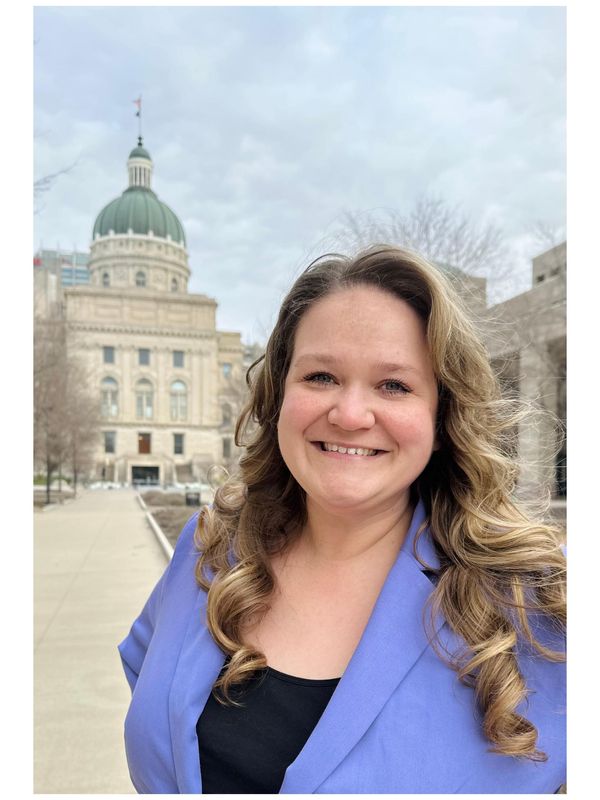
Two Democrats will also vie for a spot on the November ticket to challenge a Republican opponent. Those candidates are Natasha Baker, a teacher in Battle Ground, and Marlena Edmondson, a school social worker and Lafayette Urban Ministry program director.
Tell us about yourself.
Alting: Age: 70. Current occupation and political experience: Small business owner, Lafayette city councilman at large, former president of city council. City you live in: Monticello and Lafayette.
Bagsby: Age: 43. Current occupation and political experience: I am a carpenter by trade, a construction managing superintendent and a professional Realtor. I am currently finishing my second term as an Indiana delegate and testified in front of the General Assembly on multiple occasions concerning local government control. City you live in: Lafayette.
Baker: Age: 33. Current occupation: family and consumer sciences teacher. City you live in: Battle Ground.
Edmondson: Age: 38. Current occupation: school social worker at Mayflower Mill Elementary School and LUM camp director. City you live in: Lafayette.
What are the three biggest issues you’re hearing from constituents in this election cycle?
Alting: The top concerns I’m hearing are the cost of living, public safety and education. Families are feeling the strain of higher prices, including gas, and want relief. They also want safe communities and strong support for law enforcement. On education, Hoosiers want to continue the progress we’ve made in student achievement, including improved test scores and graduation rates, while making sure recent legislation doesn’t unintentionally disrupt local schools or shift costs in ways that hurt communities. Voters are looking for steady, responsible leadership that keeps moving our state forward.
Bagsby: The biggest concerns that I am hearing at the doors are affordability, health care and rising utility rates.
Baker: Affordability, public education and the loss of good farmland are the biggest concerns I am hearing from constituents this election cycle. My neighbors are worried about the rising cost of groceries, utilities, housing and gas. Hoosiers are seeing their tax bills increase in almost every area, yet their return on investment on those taxes keeps going down. Parents are concerned about the future of public education in our state and whether their children will have access to well-funded schools, qualified teachers, and safe learning environments. At the same time, communities are asking important questions about the rapid expansion of data centers and solar farms, how they impact our energy grid, water usage and long-term local development. Many understand the need for such technologies, especially renewable energies, but are concerned about using Indiana’s prime farmland for renewable energies.
Edmondson: While canvassing, District 22 voters are worried about the rising costs of living, the lack of integrity and trust in our current government, and protecting our communities from a lack of resources or being taken advantage of for profit.
How do you plan to address those issues if elected?
Alting: I’ve already been working on solutions. I encouraged the governor’s recent gas tax holiday to provide immediate relief at the pump. Going forward, I’ll continue supporting lower taxes and responsible budgeting to ease cost pressures, while standing strong for law enforcement and safe communities.
On education, I plan to introduce legislation to address the unintended consequences of recent laws — making sure schools are funded fairly and that tax burdens aren’t shifted onto certain homeowners or local communities. We can protect the progress we’ve made in student outcomes without creating new problems for taxpayers.
My approach is straightforward: stay grounded in conservative principles, support policies that work, and fix what doesn’t.
Bagsby: Affordability starts with lowering the tax burden on working families, seniors and small businesses. I will fight for meaningful property tax relief especially for seniors, opposing automatic gas tax increases without voter approval, and reducing the cost of government so Hoosiers can keep more of what they earn.
On health care, I believe we need more competition, more transparency and fewer barriers to care. Too often, families are paying higher prices because large hospital systems dominate the market and patients have very few options. We need to encourage more independent doctors, clinics, urgent care centers and specialty providers so that patients have choices and providers are forced to compete on both price and quality.
I also support increasing price transparency so patients know the true cost of care before they receive treatment. Hoosiers should be able to compare prices for procedures, imaging, prescriptions and routine visits just like they would any other major expense. More competition and transparency will help drive down costs, improve service and make health care more affordable for families, seniors, and small businesses.
When it comes to utility rates, I will fight against policies that allow utility companies to pass more costs onto consumers without accountability. Families should not be forced to pay higher bills because of bad energy policy, expensive mandates or projects that do not directly benefit them. I will support an all-of-the-above energy strategy that protects reliability, lowers costs and puts ratepayers first.
Baker: Indiana doesn’t have a tax problem — we have a priority problem. We need to refocus spending on what actually helps Hoosiers. Instead of billion-dollar projects like a new highway through Jasper, we should invest in public education and Medicaid to strengthen our workforce and communities. We can give school districts control over what to spend their budget on, instead of the state allocating money into different budgets with strings attached.
To help with affordability, we can explore getting rid of the taxes on utilities, build starter homes instead of large home subdivisions, prevent outside hedge funds from buying up housing and driving up costs, and require more oversight for utility companies overcharging and raising rates to boost their profits.
We also need stronger accountability for data centers. If they aren’t delivering real local benefits, we should reassess their tax structure and consider higher property taxes. I support a temporary moratorium on new data centers so we can protect farmland, water resources and infrastructure while putting clear, responsible policies in place. We should expand access to renewable energy by making rooftop and parking lot solar more affordable, while respecting property rights and ensuring local communities have a meaningful voice in development decisions.
Edmondson: If elected, I would ease the affordability crisis by pushing for fair, livable wages, protecting child-care vouchers, strengthen the oversight of utility rate hikes, responsibly working toward legalizing marijuana as a source of revenue, promoting competition and transparency in health-care pricing, and major economic development projects.
To rebuild trust in our government, I will focus on open and ethical decision-making, end no-bid contracts and the use of non-disclosure agreements. I will support community-centered economic growth that is balanced and nonpartisan. I will continue to work under the ethical principles of the social work profession, as I have for the past 15 years.
To strengthen our communities, I will work to increase funding for services supporting the unhoused, stronger renter protections, more affordable housing, hold landlords accountable, and address corporate bulk purchasing of single-family homes. I will advocate for investments in rural communities through job development, expand access to health care, and implement strong environmental protections. I will support higher pay for public teachers, keeping taxpayer dollars in our public schools, and increasing the number of school counselors and social workers.
This article originally appeared on Lafayette Journal & Courier: Indiana Senate District 22 candidates on key issues
Reporting by Jillian Ellison, Lafayette Journal & Courier / Lafayette Journal & Courier
USA TODAY Network via Reuters Connect