Corrections and clarifications: A previous version of this article contained an outdated summary of Senate Bill 78. The bill maintains a bell-to-bell ban on cell phones in schools.
Things are about to get much more streamlined in the Indiana legislature.

A whole host of bills did not make the chopping block for deadlines in their first chamber, so now we’re starting to see progress on the bills that might actually make it to the finish line of the 2026 legislative session ― among them, legislation incentivizing data centers in local communities, ordering the state to report non-citizen Medicaid applicants or household members to the federal government, and consolidating townships.
Here’s what happened to some notable bills last week.
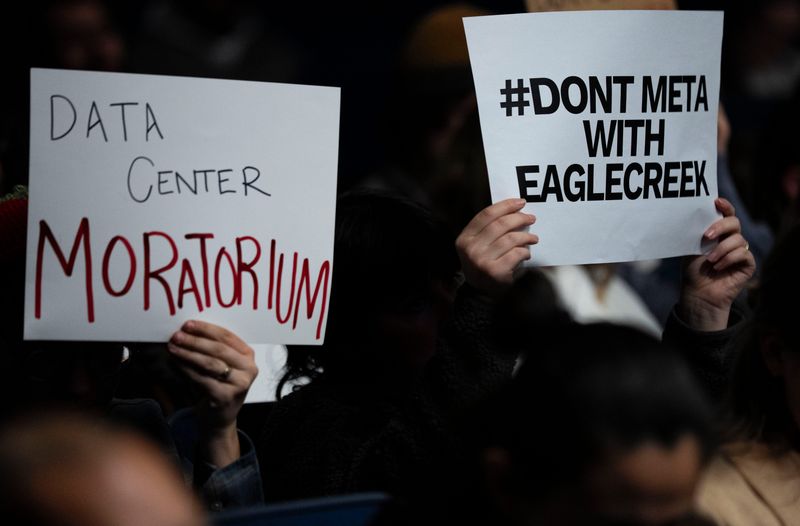
House Bill 1333: Data centers
Lead author: Rep. Kendell Culp, R-Rensselaer
What it does: Data centers are currently exempt from paying Indiana sales tax, but this bill would require them to pay 1% of the sales tax they would have paid on any equipment they purchase, the proceeds of which would go to the local government where they want to build. Lawmakers have promised to strip controversial language allowing large projects like data centers to be built on some farmland without a public hearing.
Status: The bill passed the House by a 56-43 vote Feb. 2. It awaits consideration by the Senate.
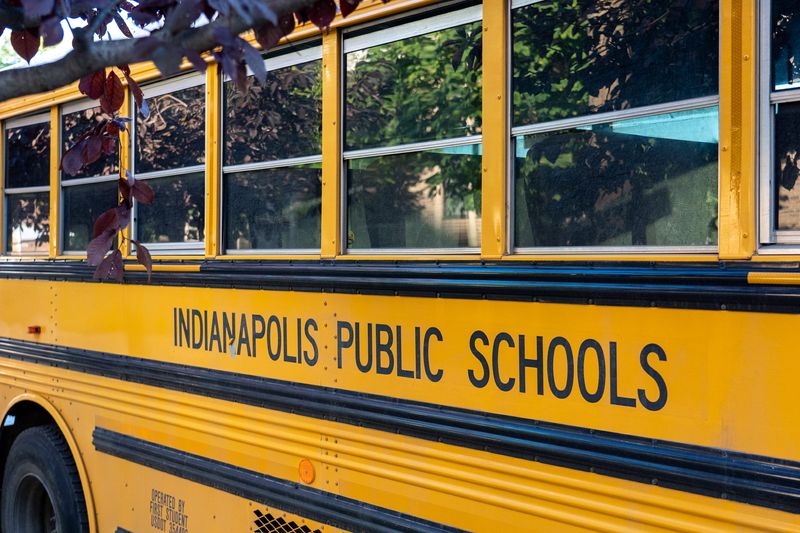
House Bill 1423: Indianapolis Public Education Corp.
Lead author: Rep. Bob Behning, R-Indianapolis
What it does: The bill creates the Indianapolis Public Education Corp. and a related board, which would have the power to levy and distribute property taxes and oversee transportation and facilities for both charter and traditional public schools within the Indianapolis Public Schools boundaries. The entity would be largely controlled by the Indianapolis mayor.
Status: The bill passed the House on Feb. 2 by a 68-30 vote. It awaits a vote in the Senate education committee.
House Bill 1002: Utility costs
Lead author: Rep. Alaina Shonkwiler, R-Noblesville
What it does: The bill would require electricity suppliers to apply a budget billing plan to all active residential customers. It also stops electric utilities from terminating service on days with extreme heat warnings. It requires utilities to submit three-year rate plans for approval and allows the state to penalize or reward electricity suppliers based on customer affordability.
Status: The Senate utilities committee passed the bill unanimously on Feb. 5. It now heads to the Senate floor for consideration.
House Bill 1315: Township consolidation
Lead author: Rep. Alaina Shonkwiler, R-Noblesville
What it does: The bill requires smaller townships and those that share most of their boundaries with cities, such as Clay Township in Carmel, to merge into a larger unit of government, such as a city or county.
Status: The bill passed the House in a 55-44 vote Feb. 2, and it awaits action in the Senate. Another township merger bill, Senate Bill 270, passed the full Senate 39-9 on Jan. 28 and now heads to the House.
Senate Bill 76: Immigration
Lead author: Sen. Liz Brown, R-Fort Wayne
What it does: The bill would require law enforcement agencies to hold immigrants for up to 48 hours if requested by Immigration and Customs Enforcement, prohibit employers from “recklessly” hiring undocumented immigrants and penalize universities or government bodies who limit immigration enforcement.
Status: The House judiciary committee passed the bill on Feb. 2 by a 9-4 vote. It now heads to the floor for consideration.
House Bill 1277: The Medicaid waitlist
Lead author: Rep. Brad Barrett, R-Richmond
What it does: The bill proposes a number of measures to save millions annually in the Pathways program, the managed-care program for Medicaid recipients, with the hopes that the savings could help alleviate the ongoing waitlist for assisted living and other home- and community-based services.
Status: The House passed the bill unanimously on Feb. 2, and it awaits action in the Senate.
House Bill 1036: How DCS handles cases
Lead author: Rep. Victoria Garcia-Wilburn, D-Fishers
What it does: Following IndyStar’s previous reporting on a case involving a neglected 5-year-old, this bill would require DCS to assess a child in person before closing its investigation into an abuse allegation.
Status: The bill passed the House unanimously on Feb 2. It awaits consideration by the Senate.
Senate Bill 182: Transgender bathrooms
Lead author: Sen. Liz Brown, R-Fort Wayne
What it does: In addition to defining “sex” and “gender” throughout Indiana code, the bill would ban transgender students’ use of bathrooms that match their gender identity and enact penalties for schools that don’t enforce this.
Status: The bill passed the Senate on Jan. 27 by a 37-8 vote and now heads to the House.
Senate Bill 27: Luring the Chicago Bears
Lead author: Sen. Ryan Mishler, R-Mishawaka
What it does: In light of the Chicago Bears’ interest in moving to northwest Indiana, this bill would create a stadium authority that would have the power to bond and build an NFL stadium.
Status: The bill passed the Senate on Jan. 28 by a 46-2 vote and now heads to the House.
Senate Bill 236: Abortion-inducing drugs
Lead author: Sen. Tyler Johnson, R-Leo
What it does: The bill outlaws the prescribing or mailing of abortion-inducing drugs to people in Indiana and allows a mother or father to sue the drug manufacturer, prescriber or transporter for the “wrongful death” of their unborn child.
Status: The bill passed the Senate in a 35-10 vote on Jan. 27 and now heads to the House.
Senate Bill 1: Medicaid, SNAP and immigrants
Lead author: Sen. Chris Garten, R-Charlestown
What it does: The bill primarily aligns Indiana code with Medicaid provisions in the federal One Big Beautiful Bill Act, though it also goes further than the federal government requires in terms of verifying work requirements among certain Medicaid recipients. It also allows the state to report applicants to Medicaid or SNAP whose citizenship is in question, as well as any of their household members, to the federal government.
Status: The bill passed the Senate on Jan. 22 by a 38-8 vote. It awaits action in the House.
Senate Bill 243: Trump’s ‘No tax on tips’
Lead author: Sen. Travis Holdman, R-Markle
What it does: A provision included in the bill extends Trump’s tax cuts for tip workers, new car loan interest and Hoosiers who receive overtime pay for one year. The costly proposal will require Indiana to shell out $251 million from its reserves.
Status: The bill passed the Senate on Jan. 28 by a 47-1 vote. It now heads to the House.
Senate Bill 284: Police civilian oversight boards
Lead author: Sen. Cyndi Carrasco, R-Indianapolis
What it does: The bill would strip power from the General Orders Board, a civilian oversight board created in 2020 that approves the Indianapolis Metropolitan Police Department’s policies on officer conduct and use of force.
Status: The bill passed the Senate on Jan. 26 in a 38-6 vote and now heads to the House.
Senate Bill 88: Waiting for marriage for kids
Lead author: Sen. Gary Byrne, R-Byrneville
What it does: The bill would require public schools to teach students to wait until marriage before having kids, one of three steps in the conservative anti-poverty theory called the “success sequence.”
Status: The bill passed the Senate in a 39-9 vote on Jan. 29. It heads to the House for consideration.
House Bill 1001: Housing affordability
Lead author: Rep. Doug Miller, R-Elkhart
What it does: In an effort to address housing affordability and add stock, this bill would limit cities’ ability to restrict duplexes and other dense development in residential areas.
Status: The bill passed the House in a 76-15 vote on Jan. 27. It will now head to the Senate.
Senate Bill 250: Hemp regulation
Lead author: Sen. Aaron Freeman, R-Indianapolis
What it does: The bill changes the state’s definition of low-THC hemp to align with a new federal law, making products containing Delta-8 illegal. It also creates a new licensing structure for hemp products.
Status: The bill passed the full Senate in a 35-13 vote on Jan. 28 and now awaits action in the House.
House Bill 1343: Militarizing the Indiana National Guard
Lead author: Rep. Steve Bartels, R-Eckerty
What it does: Buried within a number of other veterans matters, the bill authorizes the adjutant general to give police powers to members of the Indiana National Guard during state active duty.
Status: The bill passed the House in a 67-29 vote on Jan. 28. It now heads to the Senate.
Senate Bill 199: Social media use and low-earning degrees
Lead author: Sen. Jeff Raatz, R-Richmond
What it does: The bill would eliminate college degrees classified as “low earning.” It also would have required social media companies to obtain written parental permission for their child under 18 years old to have an account, but this language was stripped out.
Status: The bill was approved by the Senate without the social media language on Jan. 29 in a 46-2 vote. It now heads to the House.
Senate Bill 285: Sleeping on public land
Lead author: Sen. Cyndi Carrasco, R-Indianapolis
What it does: The bill bans people from sleeping or camping on publicly owned land, making it a Class C misdemeanor. The bill also bans cities from adopting policies that discourage enforcement of the ban.
Status: The bill passed the Senate 29-19 on Jan. 28. It now heads to the House.
Senate Bill 140: Doxing
Lead author: Sen. Vaneta Becker, R-Evansville
What it does: The bill would make doxing ― posting someone’s personal information publicly online as a retaliatory threat ― a misdemeanor or felony, depending on whether the act led to the targeted person being harmed.
Status: The bill passed the Senate unanimously on Jan. 26 and now awaits consideration in the House.
House Bill 1137: Ultraprocessed food and beverages
Lead author: Rep. Julie McGuire, R-Indianapolis
What it does: The bill would ban public and charter schools that participate in federally funded or assisted meal programs from selling or allowing a third-party to sell food and beverages that contain any of 13 chemicals and food dye ingredients. That would include foods like Fruity Pebbles or nacho cheese Doritos.
Status: The House passed the bill Jan. 22 by an 83-7 vote. It awaits action in the Senate.
Senate Bill 78: Cell phone ban
Lead author: Sen. Jeff Raatz, R-Richmond
What it does: The bill would ban cell phones and smart watches for students during the entire school day, rather than just during instructional time as current law states.
Status: The bill passed the Senate by a 28-19 vote on Jan. 20 and now heads to the House.
Senate Joint Resolution 1: Constitutional amendment
Lead author: Sen. Eric Koch, R-Bedford
What it does: The resolution, which would amend the Indiana Constitution, allows judges to deny bail for people who are deemed a public safety threat.
Status: The resolution passed the Senate on Jan. 22 by a 43-2 vote and now moves to the House for consideration. If it passes the full legislature, the resolution ultimately would have to be approved by all Indiana voters in the 2026 election.
Senate Bill 21: Pork tenderloin state sandwich
Lead author: Sen. Blake Doriot, R-Goshen
What it does: The bill would designate the pork tenderloin as the official state sandwich.
Status: The bill passed the Senate by a 37-11 vote on Jan. 13 and has moved to the House.
House Bill 1055: Municipal elections
Lead author: Rep. Jennifer Meltzer, R-Shelbyville
What it does: The bill allows any city or town to change its municipal elections to occur during an even-numbered year.
Status: The bill passed the House by a 59-35 vote on Jan. 22. It now heads to the Senate.
The following bills are not moving forward in their current form.
House Bill 1066: Purchase and lease of government vehicles
Lead author: Rep. Mitch Gore, D-Indianapolis
What it does: The bill would prohibit local government officials from purchasing luxury vehicles with taxpayer money and may even require them to give current vehicles back.
Status: The bill passed the House government and reform committee unanimously on Jan. 21, but was not called down for a vote before the House deadline ― against the wishes of the bill author ― so it is dead.
House Bill 1086: Ten Commandments in schools
Lead author: Rep. Michelle Davis, R-Whiteland
What it does: The bill stops short of requiring schools to hang the Ten Commandments in classrooms, as is the push in other states, but says teachers may hang them but cannot read aloud from them in front of students.
Status: The bill passed the House education committee 8-3 on Jan. 27, but did not pass the House in time and is now dead.
House Bill 1119: Execution by firing squad
Lead author: Rep. Jim Lucas, R-Seymour
What it does: The bill would legalize execution by firing squad in death penalty cases, in addition to lethal injection.
Status: The bill failed to get at least 51 votes in the House on Jan. 28 and was not called up for a vote again before the House deadline, so it is dead. A similar bill, Senate Bill 11, stalled after not receiving a committee vote.
Senate Bill 267: Paid protestors and influencers
Lead author: Sen. Scott Alexander, R-Muncie
What it does: The bill required a person who pays another person at least $500 in a year to engage in an influence campaign to file a report with the Indiana Lobby Registration Commission.
Status: The bill passed out of the Senate elections committee by a 6-3 vote Jan. 12, but died before receiving a full Senate vote.
House Bill 1078: Online lottery
Lead author: Rep. Ethan Manning, R-Logansport
What it does: The bill would legalize an iLottery in Indiana, allowing lottery tickets to be sold online.
Status: Though it had passed the House public policy committee on Jan. 6 by a 9-3 vote, the bill was withdrawn from the House floor calendar due to a lack of support.
Contact IndyStar Statehouse reporter Kayla Dwyer at kdwyer@indystar.com or follow her on X @kayla_dwyer17.
Contact senior government accountability reporter Hayleigh Colombo at hcolombo@indystar.com or follow her on X @hayleighcolombo.
Contact breaking politics reporter Marissa Meador at mmeador@gannett.com or find her on X at @marissa_meador.
Sign up for our free weekly politics newsletter, Checks & Balances, curated by IndyStar political and government reporters.
This article originally appeared on Indianapolis Star: Indiana bill tracker: House passes data center, township consolidation bills. What else moved
Reporting by Kayla Dwyer, Marissa Meador and Hayleigh Colombo, Indianapolis Star / Indianapolis Star
USA TODAY Network via Reuters Connect