SPRINGFIELD, IL — A former Springfield emergency medical technician who at one time was charged with first-degree murder in the 2022 death of Earl Moore Jr. was sentenced to two years probation in a hearing in Sangamon County court June 23.
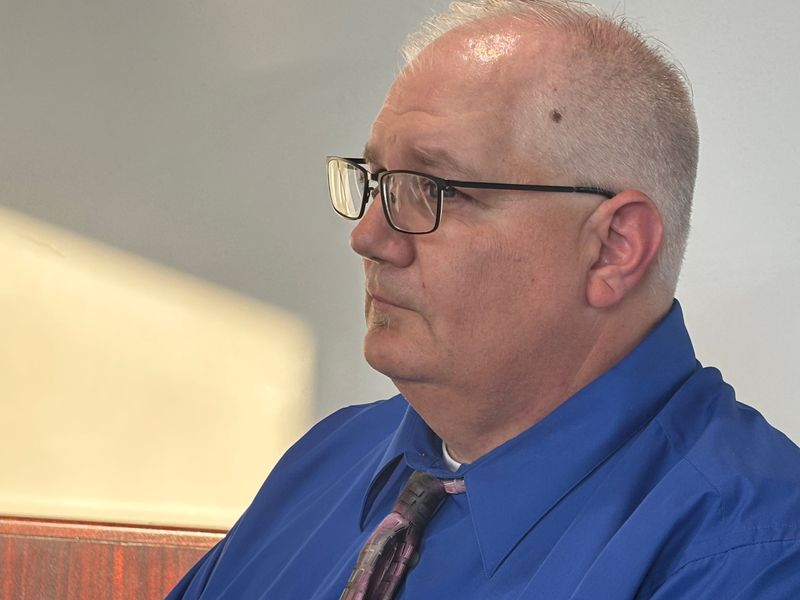
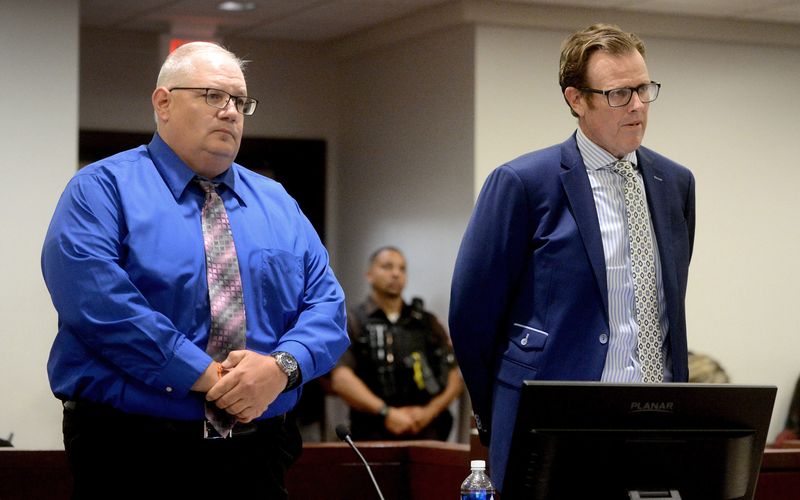
Peter J. Cadigan, 53, who pleaded guilty to involuntary manslaughter April 24 less than three weeks before his trial was set to begin, said he was “very sorry” for his actions that led to Moore’s death in a brief statement at the end of the defense’s case.

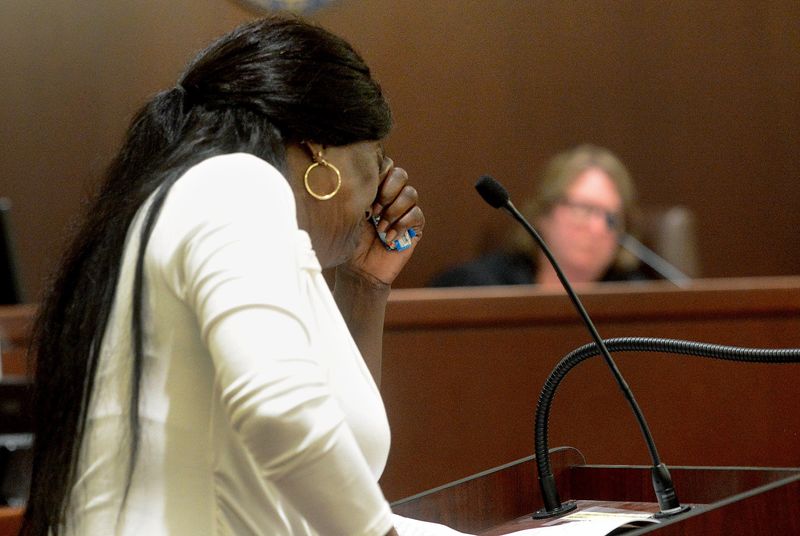
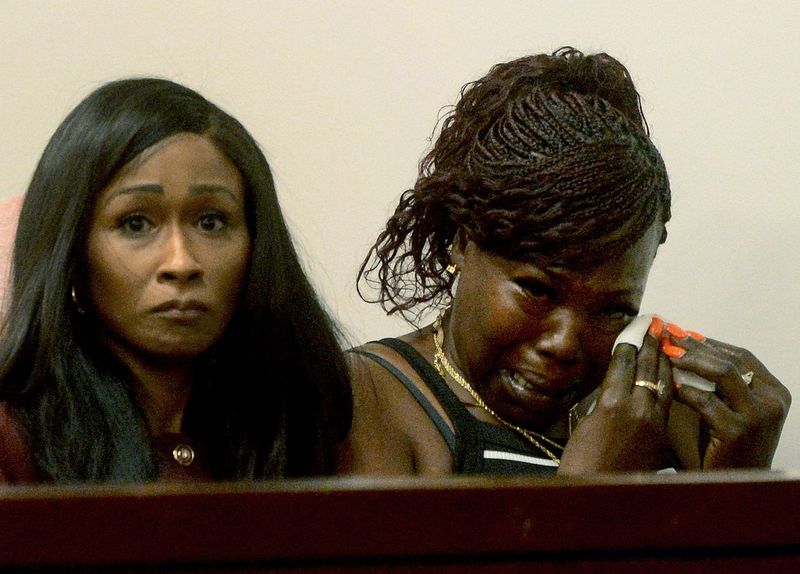
That came after Moore’s family, including his mother, Rose Washington, had previously given emotional testimony.
“Pain follows me everywhere I go,” Washington said. “For a mother to lose her child, time stands still.”
Cadigan spent 20-plus years as an EMS worker.
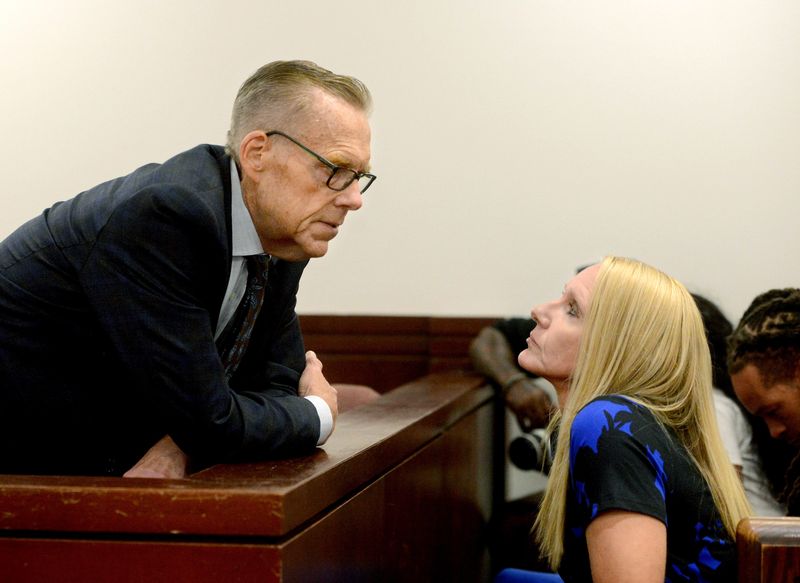
His appearance before Seventh Circuit Court Judge Robin Schmidt came a day after his former LifeStar co-worker and one-time co-defendant, Peggy Jill Finley of Springfield, made a brief court appearance. Finley’s next court date is Aug. 24.
Finley’s attorney, W. Scott Hanken, recently told The State Journal-Register that Cadigan’s plea and sentencing “isn’t relevant to Finley’s case.”
Schmidt granted a motion severing the case Dec. 2, 2025.
The case gained national headlines in January 2023, several weeks after Moore’s death when Finley, a paramedic, and Cadigan, an EMT basic, were charged with first-degree murder.
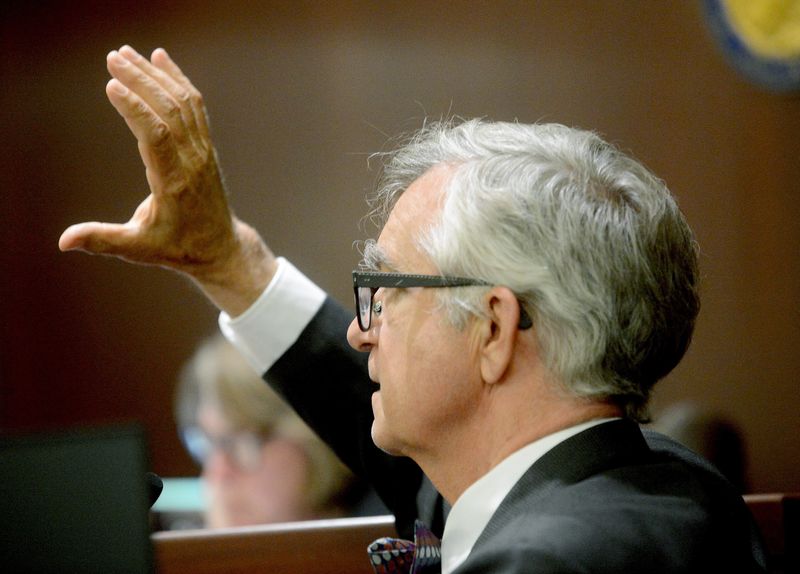
Moore died of “compressional and positional asphyxia due to prone face-down restraint on a paramedic transportation cot/stretcher by tightened straps across the back,” Dr. Scott Denton, a forensic pathologist from Bloomington, opined.
Denton gave testimony for the prosecution in Tuesday’s hearing.
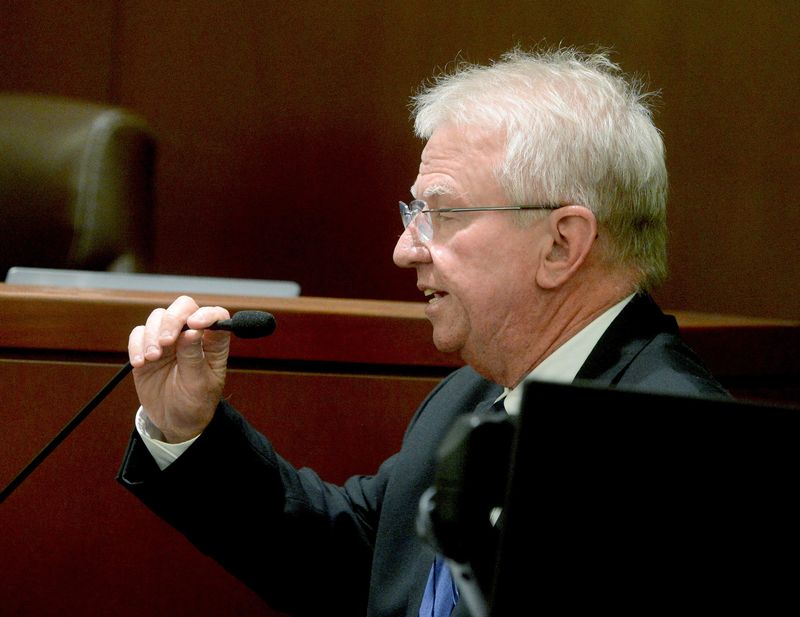
Among the other experts to give testimony was Dr. William Travis Engel, a Lynchburg, Virginia-based medical doctor and a licensed paramedic, who expounded that there was “no debate about transporting patients in the prone position.”
Finley and Cadigan knew, “based upon their training, experience and the surrounding circumstances, that such acts would create a substantial probability of great bodily harm or death,” said then-Sangamon County State’s Attorney Dan Wright.
According to the murder charges filed in early 2023, Moore was placed in the prone position on a gurney and had straps applied so tightly that he suffered broken ribs.
Mark Kroll, a biomedical and use-of-force expert and professor at the University of Minnesota, refuted that point Tuesday.
The case also brought to Springfield civil rights attorney Ben Crump of Tallahassee, Florida, almost a year and half before returned to Springfield in the Sonya Massey case.
Members of both families packed the courtroom for the hearing that lasted more than five hours.
Washington, who broke down several times in recounting missing her son, said his death meant she lost the opportunity “to watch him continue to grow as a man. I lost the chance to hear him say ‘mom’ again. I lost the possibility of seeing (him) overcome his struggles and build a better future for himself.”
Moore, 35, was a fast-food restaurant manager who had been living with his cousin, Aaron Cutler, and his wife, Samantha. The cousins had hoped to start their own business, Aaron Cutler told The State Journal-Register in 2023.
Jennifer Hightower, an attorney for the Moore family, read a statement for Moore’s three sisters and Moore’s niece, Bree Moore, also spoke in court.
Derek Dion, a special prosecutor in the case, said it was Cadigan’s job to “assess Earl, to help Earl, to help figure out what was going on with Earl.”
Cadigan was “capable and obligated” to help Moore, Dion said.
It was Moore who made the initial call to 911 Dec. 18, 2022, but Moore “called 911 for help, not for someone to kill him,” Dion added.
Springfield Police officers were the first to arrive at Moore’s home in the 1100 block of North 11th Street before an ambulance was called.
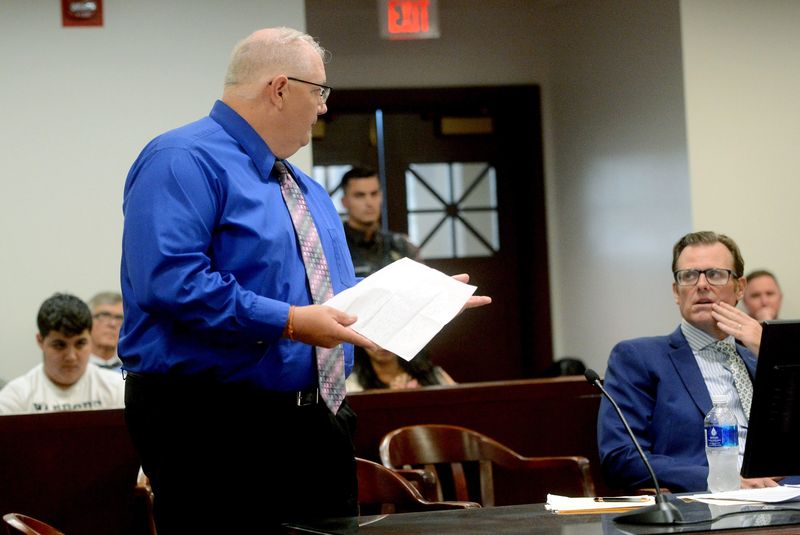
Cadigan’s attorney, Justin Kuehn of Belleville, told the media afterwards that he was “relieved,” although he acknowledged that Moore’s family was hurting.
“I’m relieved he can move on with his life,” Kuehn said of Cadigan.
Cadigan, addressing the court, said he “never intended to do (Moore) any harm. One thing I can say for sure is that this (medical) call will haunt me for the rest of my life.
“I should have asked more questions. I should have acquired more information and for that I am forever regretful and I am very sorry.
“I feel bad for the family,” he added. “This case is going to haunt me. (My attorney) said it was my call (to make a statement in court.) I wanted them to know I was sorry for it happening.”
Hightower said in a statement released June 24 that the sentence imposed didn’t change the facts of the case for the family.
While respecting the court’s decision and the judicial process, Hightower added that justice was “denied” for the family.
“Earl Moore deserved dignity, compassion and respect during the most vulnerable moment of his life. Instead, he was met with apathy, hate, and disregard. The result was a tragedy that took a son, a brother, and a loved one from his family forever,” Hightower said in the statement.
“We will continue to fight every day to ensure that Earl’s name is remembered, because he was loved, he mattered and his life had value. Three things remain true today, tomorrow and forever: Rose Washington would give anything to see her son one more time. Earl Moore is never coming back and in the eyes of Earl’s family, Peggy Finley and Peter Cadigan are murderers responsible for his death, and they always will be.”
Kuehn said in his closing statement that the case would send “a shot across the bow” when it came to health care workers.
Kuehn stood by the statement afterwards.
“This isn’t just about what happened today,” Kuehn said. “It’s about facing down the barrels of first-degree murder and thinking you might spend the rest of your life in prison.
“It’s about losing your job, losing your EMS license, losing your career, losing your family, going to jail for 10 months. Today’s case shows the right amount of indifference can lead you to losing your career, losing your freedom.
“This case is going to be a case that is taught in the seminars for future EMS workers.”
Cadigan will also have to perform 100 hours of community service. He was sentenced to 180 days in jail but received 295 days credit when he was earlier jailed.
(This story has been updated with new information and new photos.)
Contact Steven Spearie: 217-622-1788; sspearie@sj-r.com; X, twitter.com/@StevenSpearie.
This article originally appeared on State Journal-Register: EMT in Earl Moore Jr. case who pleaded guilty sentenced to probation
Reporting by Steven Spearie, Springfield State Journal-Register / State Journal-Register
USA TODAY Network via Reuters Connect
By Steven Spearie, Springfield State Journal-Register | USA TODAY Network