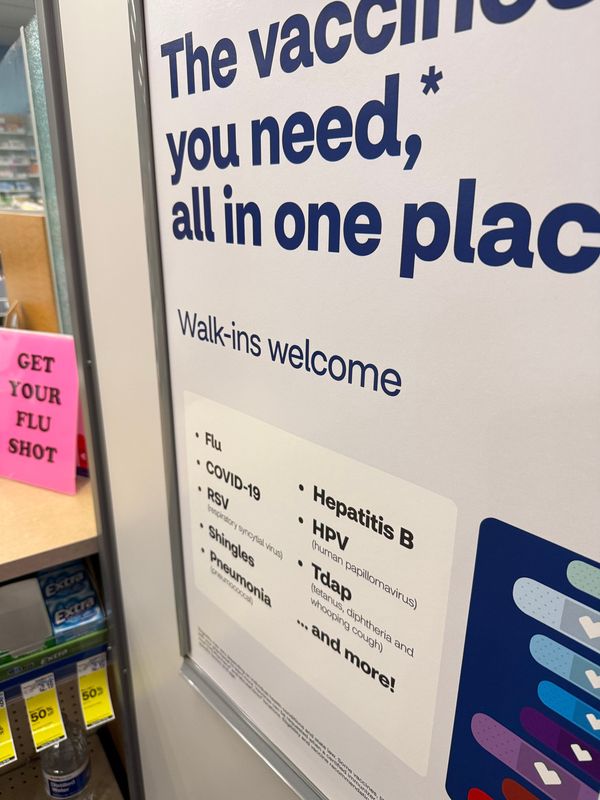
Flu cases and flu-related emergency room visits have been increasing in Florida, according to state Department of Health data, and it’s time to get vaccinated against it before cooler temperatures and holiday gatherings force everyone into breathing each other’s air.
However, the shifting COVID-19 guidelines from the Centers for Disease Control and Prevention (CDC) and the Food and Drug Administration (FDA) under Health and Human Services Secretary and vaccine skeptic Robert F. Kennedy Jr. may have caused confusion. Are there new restrictions on flu shots, too? Can you get them in Florida?

Fortunately, flu shots are unchanged and easily available. And now’s the time to consider it, experts say.
“In Florida, our flu season will peak a little later than it does up North, but you can still think of mid-December through mid-February as the season when we’ll see the most cases,” Dr. George Rust, director of Florida State University’s Center for Medicine and Public Health, said. “It takes two weeks for the flu shot to give full protection, but that protection can wane a bit after many months.
“I would try to get a flu shot October through November, at least two weeks before any family or holiday gatherings,” Rust said.
Has anything changed about getting the flu vaccine in Florida?
Not really. Unlike the back-and-forth over COVID vaccine recommendations under Kennedy, no major changes were made this year to flu vaccine recommendations.
The only real change was in July when Kennedy signed a controversial recommendation from his newly revamped Advisory Committee on Immunization Practices (ACIP) to remove a once-common vaccine preservative called thimerosal from all influenza vaccines.
Thimerosal is a preservative that has long been targeted by anti-vaccine advocates despite broad scientific consensus on its safety. Still, experts say that improvements in manufacturing technology have decreased the need to add such preservatives and the CDC found that 96% of all influenza vaccines in the United States were already thimerosal-free in the 2024-2025 season.
Flu season picking up
Nationwide, seasonal flu activity was low going into September, according to the Centers for Disease Control and Prevention’s latest weekly report, but the busy period comes later in the year. In February 2025, flu levels in the U.S. hit their highest point in 15 years and fewer people are getting vaccinated, which increases the number of people you might catch something from.
Fall and winter are a bad time for respiratory viruses anyway and vaccinations rates are lower than they’ve been in years in a state where the governor and surgeon general have both downplayed vaccines and vowed to end all vaccine mandates.
Cases of whooping cough (pertussis), a highly contagious respiratory infection especailly dangerous to small children, have skyrocketed in Florida nearly 88% so far in 2025, with 1,344 cases as of Sept. 18 compared to 715 in all of 2024, according to the department’s Reportable Diseases Frequency Report. Rates of Florida’s kindergarten vaccination fell to 90.6% in 2024, below the 95% rate publix health experts recommend for highly contagious diseases. Last year, Florida saw a rise in “walking pneumonia,”
COVID cases, which are generally underreported by the state as many people self-diagnose at home, spiked to more than 50,000 in August, by far the highest all year, but dropped to 31,477 for the month of September.
Although COVID numbers are considerably lower than they were during the pandemic, there were still 407 COVID-related deaths in September, according to FDOH data, out of more than 2,000 so far this year.
Who is eligible for a flu shot in Florida?
Everyone 6 months and older is eligible for the flu vaccine unless they have a condition, such as an allergy to its ingredients or a previous severe reaction, that prevents immunization.
If you don’t handle shots well, last year the FDA approved FluMist, a nasal spray for flu immunization that some can take if they prefer. This form of vaccination has a larger list of people who should not use it, however, including children younger than 2 years of age, adults 50 years of age and older, pregnant people, people with weakened immune systems or those on certain medications.
Who should get a flu shot and why?
Everyone age six months or older should get the flu shot every year, according to the CDC and major medical institutions such as the American Academy of Pediatrics and the American Academy of Family Physicians.
Getting a yearly flu vaccination is the best way to prevent flu and its potentially serious complications and is usually available for free or at a low cost. While the flu is traditionally associated with symptoms like fever, cough, sore throat, body aches, runny or stuffy nose, headache and fatigue, children and adults alike can experience moderate to severe complications.
Potential complications include sinus and ear infections; inflammation of the heart, brain or muscle tissues; multi-organ failure; sepsis or the worsening of chronic conditions like asthma.
People 65 years and older and adults 50 or older with chronic medical conditions are the most likely groups to experience complications, hospitalizations and deaths due to influenza, making them high-priority groups. Children ages 6 months through 4 years, people who are immunocompromised or on certain medications, pregnant people and those who work in health care settings or live in nursing homes are also highly encouraged to receive the vaccine as soon as possible.
Where to get a flu shot
Pharmacies are likely the easiest and most common place American adults turn to for seasonal vaccines. CVS and Walgreens offer vaccine appointments online and walk ins, as do Publix and Walmart.
The cost is covered entirely by most insurance companies but check with your insurance provider if you have questions.
Children who are uninsured or underinsured, Medicaid-eligible or of American Indian or Alaska Native descent can receive the vaccine for free through the CDC’s Vaccines for Children (VFC) Program. Proof of eligibility is not required beyond certifying their qualifications to the health care professional administrating the vaccine.
Adults who are uninsured or underinsured or who cannot otherwise afford the vaccine are also eligible for free and low-cost vaccine assistance programs. Visit Vaccines.gov to find the closest locations to get the shot.
Low and no-cost options are available at doctors’ and healthcare providers’ offices, pharmacies, Health Resources & Services Administration (HRSA)-supported health centers and via employers, schools and community organizations.
What are the symptoms of the flu?
Flu symptoms start to show up about one to four days after exposure to an influenza virus, according to the CDC, and can include:
How long does the flu last? How long are you contagious with the flu?
Most people who get the flu will recover in a few days to less than two weeks, the CDC said. But some people may develop complications such as pneumonia that can be life-threatening. The flu vaccine can help prevent reduce the chances of infection and reduce the severity of the symptoms if you do catch it.
People with the flu can be contagious starting one day before they notice symptoms and up to five to seven days after getting sick, the CDC said.
How to keep from getting sick this winter
This article originally appeared on Sarasota Herald-Tribune: What to know about getting a flu shot in Florida. What changed in 2025?
Reporting by C. A. Bridges and Mary Walrath-Holdridge, USA TODAY NETWORK – Florida / Sarasota Herald-Tribune
USA TODAY Network via Reuters Connect