Communities around the St. Johns River may face expenses topping $1.1 billion to clean phosphorus pollution in the river caused by sludge spread on farmland far upstream, an environmental nonprofit’s report released July 10 said.
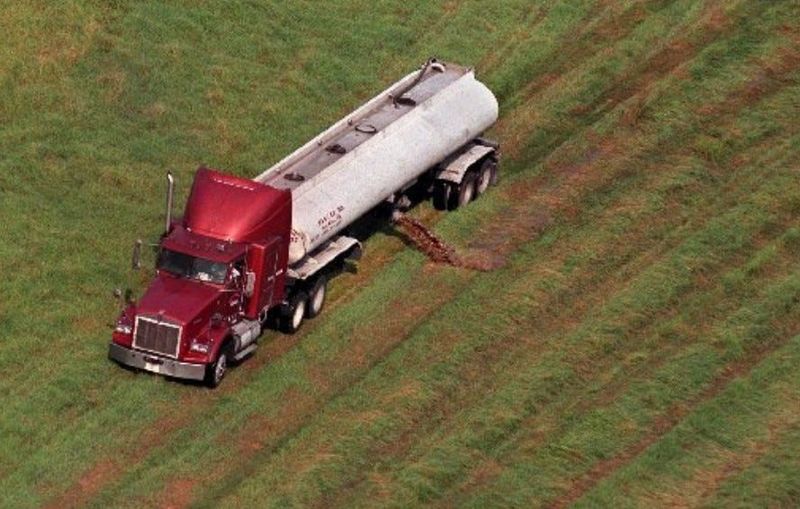
The algae-feeding pollution has become a lasting worry for the river’s health since a 2013 change in state rules triggered increased sludge-dumping in the St. Johns upper basin, around Brevard and Indian River counties.

Starting hundreds of miles away, upper basin waters flow north to Jacksonville and the ocean ― downstream from the upper basin ― carrying pollution that has been a longtime Northeast Florida problem.
The report commissioned by the Public Trust for Conservation, a nonprofit environmental law firm, used an outside firm to create a first-of-its-kind estimate of financial impacts of the sludge, which the state formally labels as Class B biosolids.
The costs might reach as high as $1.4 billion, the report said.
“Florida’s mismanagement of biosolids has not only inflicted serious environmental harm, but now also threatens to impose staggering financial inequities,” John November, executive director and general counsel of the trust, said in a release announcing the report.
He said cost calculations the trust commissioned from the Balmoral Group, a Central Florida consultancy specializing in economic and engineering aspects of land and water issues, could be an example for communities around the country trying to handle similar impacts.
The report was partly funded by the St. Johns Riverkeeper, a leading advocacy group on river issues.
Costs in the report represent expenses over a span of 40 years, which the company said reflects the cost of doing water-cleaning projects that can offset the impacts of the volume of phosphorus the sludge-spreading would add.
By 2019, six years Florida banned biosolid disposal near the Everglades, the close-by St. Johns upper basin had 78% of the land-based disposal of Class B biosolids in the state, researchers from the St. Johns River Water Management District previously reported.
Those biosolids are rich in phosphorus and are a powerful boost to plant growth, but sludge is routinely spread in far bigger amounts than crops need.
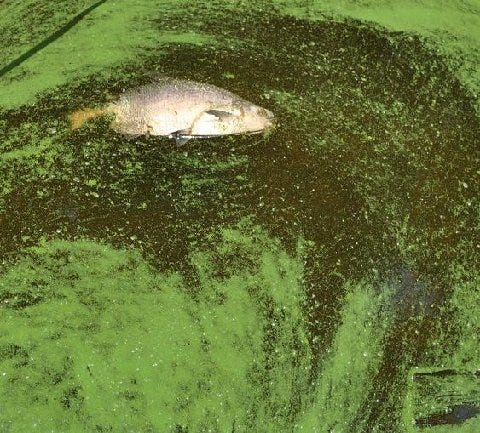
The rest washes off with rain that flows into the river, bringing food for algae that can carry toxins and disrupt the St. Johns’ natural balances of river life.
The water management districts’ study reported “strong correlative evidence” that applying more Class B biosolids led to increased levels of both phosphorus and nitrogen, the other nutrient regularly connected to algae blooms.
A state task force that Gov. Ron DeSantis created in 2019 agreed that year that pollution in the St. Johns upper basin should be regulated by basin plans like those used in the river’s lower basin, where Jacksonville is.
Northeast Florida governments, utilities and others that held federal wastewater permits were required to agree in the 2000s to cut nitrogen and phosphorus levels in the lower basin by limiting pollution to a safe amount called a total maximum daily load, or TMDL. A TMDL agreement was set for the upper basin too and limits were allocated for sections of that basin called Water Body IDs, or WBIDs. But the Balmoral Group report said 19 of the lower basin WBIDs receiving biosolids are considered environmentally impaired but only three of those have published TMDL limits.
Instead of curbing phosphorus, however, the Balmoral Group report said the total volume of biosolids in the upper basin had increased further between 2019 and 2022, resulting in about 1,600 tons of phosphorus per year being added spread on the ground in the upper basin, some then seeping into the northbound river.
That extra phosphorus is in addition to the river pollution Northeast Florida communities already pay to undo through local projects to make the river healthier.
A change in state law the Florida Legislature passed in 2020 set a now-passed 2023 deadline to address environmental hazards from excessive sludge use, but November said some biosolid players have asked for an extra five years to make changes.
November said he’s hoping the report can help his efforts to build a coalition to seek better solutions to water pollution.
He pointed to a project in Indiantown in Martin County where a Washington firm, Sedron Technologies, has started work on a project intended to process biosolids without creating the kind of pollution flowing into the St. Johns.
This article originally appeared on Florida Times-Union: Report: Miami-area sewage sludge raising cost of St. Johns River cleanup over $1 billion
Reporting by Steve Patterson, Jacksonville Florida Times-Union / Florida Times-Union
USA TODAY Network via Reuters Connect