Some of you may remember the days when your primary care physician was your everything. They saw you in the office, visited you in the hospital when you were sick, and often cared for your children and your parents, too. That kind of “full-service doctoring” defined an era of medicine that felt deeply personal and hands-on. But times have changed −and so has the role of the physician.
The culture of medicine has undergone a major shift. Twenty years ago, terms like burnout were rarely uttered. Today, physician wellness is a top priority for many hospitals and health systems. Doctors are being asked to do more, often with less time, and working 24/7 in both the clinic and hospital is no longer realistic − or safe − for physicians or their patients.

One of the biggest changes has been the rise of hospital medicine, a field that began to grow in the early 2000s. A hospitalist is a physician, usually trained in internal medicine or family practice, who specializes in the care of patients while they are hospitalized. In some cases, your hospitalist may be part of your primary care doctor’s group — but in many cases, especially in larger or more fragmented systems, they are not.
If you find yourself admitted to the hospital and don’t recognize the physician walking into your room, don’t panic. Hospitalists are highly trained and credentialed, and while they may not know you personally, they are equipped to manage your care safely and effectively.
But this is also where your role as a patient becomes more important than ever. You are the expert on you. No one knows your body and your medical history better than you do. And with the ever-growing complexity of the health care system, it’s crucial to take charge of your medical information.
Your health: Steps to empowerment
Here are a few simple but essential ways to empower yourself:
Healthcare is increasingly complex, with more players involved in your care than ever before. Being organized and proactive gives your doctors the bestchance to help you, especially during a hospitalization.
As medicine continues to evolve, so too must our approach to care − both asphysicians and as patients. Wellness, for all of us, depends on partnership.
That partnership starts with communication, preparation, and mutual respect.
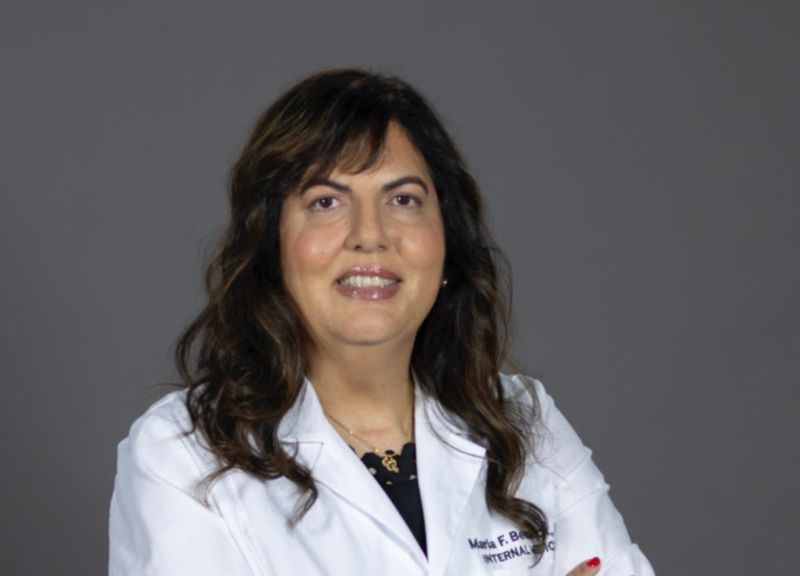
Dr. Maria Bendeck is a board-certified internal medicine physician and hospitalist at NCH in Naples. She serves as chair of the Department of Medicine and leads the Hospitalist Quality and Process Improvement Committee. She writes regularly about the evolving role of medicine, with a focus on patient empowerment, community health advocacy, and whole-person wellness.
This article originally appeared on Naples Daily News: Medicine is evolving. You, the patient, must evolve with it | Opinion
Reporting by Dr. Maria Bendeck / Naples Daily News
USA TODAY Network via Reuters Connect