The flu season is ramping up in a big way as an influenza A H3N2 mutation called subclade K drove a near 15% increase in clinical lab tests and a hospitalization rate of 11 people per 100,000, according to the Centers for Disease Control and Prevention’s latest report.
This new “super flu” drove up Florida flu cases in 52 counties last week, according to the state health department’s weekly surveillance report. Flu-related emergency department visits rose nearly a percent, and five new outbreaks were reported.

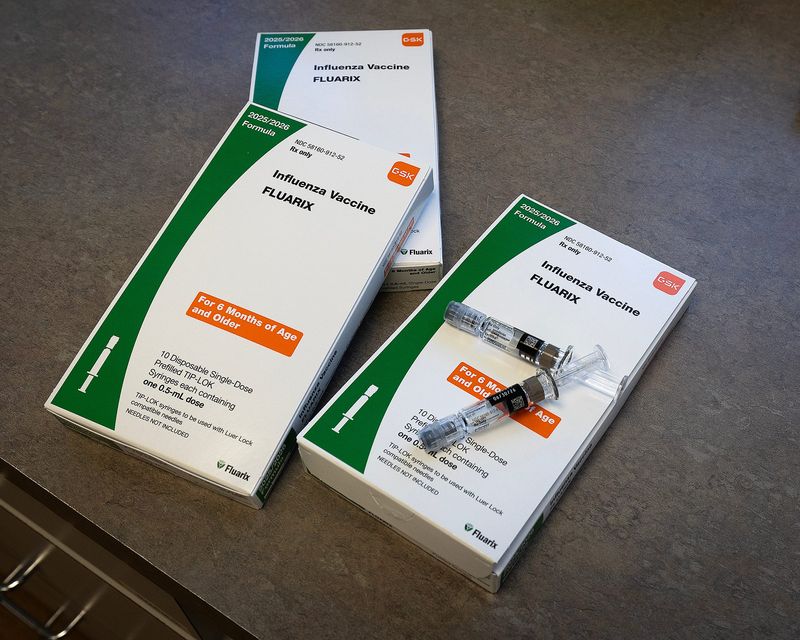
The CDC recommends that everyone six months and older who has not yet been vaccinated get a flu shot. Around 130 million doses of flu vaccine have been administered throughout the United States this flu season.
What is the new dominant flu strain in Florida?
Influenza A H3N2 is the most frequently reported flu virus both nationally and in Florida, but influenza A H1N1 is right behind it.
A mutated strain of influenza A H3N2, called subclade K, is making headlines. Practically speaking, H3N2 and H1N1 have the same associated symptoms. Some say that the new subclade K variant could result in higher fevers and more complications, but medical experts say it’s too early to support these claims.
The mutated strain’s novelty is one possible explanation for seemingly more severe symptoms, according to Andrew Pekosz, a professor and vice chair of the W. Harry Feinstone Department of Molecular Microbiology and Immunology at the Johns Hopkins Bloomberg School of Public Health.
“It evades the vaccine and preexisting immunity in the population because two of the places on the virus protein where your protective antibodies bind to are probably going to be blocked by new mutations that the virus has picked up,” Pekosz said in a media briefing on Dec. 16.
“What we don’t know is if these mutations are going to cause more disease or more severe disease in the virus,” he concluded.
Is the flu shot still effective this year?
This year’s flu vaccines are trivalent, which means they protect against three main seasonal flu types: Influenza A H1N1, influenza A H3N2 and influenza B Victoria lineage.
In a typical year, the flu vaccine’s effectiveness is generally between 40% and 60%. Subclade K, which has accounted for nearly 90% of confirmed Influenza A H3N2 diagnoses, has been shown to subvert the current vaccines.
Here’s what’s important to know: While current vaccines aren’t likely to prevent infection from subclade K completely, they will still protect people from getting severely ill or dying, according to the University of Colorado Health.
When is the best time to get the flu shot?
For most people, the best time to get the flu shot is usually between September and October, according to the CDC. This will give your body plenty of time to start producing antibodies to protect you against the influenza viruses circulating.
There are a few exceptions:
When is it too late to get a flu shot?
The current rise in flu cases is a sign of what is still to come, so now is still a great time to get a flu shot. You won’t be protected entirely over holiday get-togethers, but you will still be ahead of the height of flu season.
What are the flu vaccine side effects in adults?
It’s completely normal to experience side effects after receiving a flu shot. When a vaccine is administered, your body is learning how to fight off the infection. So it may respond in a similar way that it would if you were actually sick.
Common flu shot side effects include:
Some less common side effects may include a rash or itching near the injection site, mild neck pain and mild back pain.
You should seek immediate medical attention if you experience chest pain and heavy or ongoing bleeding, or if you have signs of an allergic reaction such as hives, swelling or trouble breathing.
How quickly does the flu vaccine work?
The flu shot doesn’t work instantly. It takes about two weeks after getting the vaccine before antibodies develop, according to the CDC.
Is it okay to get a flu shot while sick?
It depends on how sick you are, says the Cleveland Clinic.
If you have a mild illness like a cold, it’s fine to get a flu shot. If you’re already experiencing flu-like symptoms, like running a fever, feeling fatigued or having trouble staying hydrated, you should wait until you’re feeling better.
Getting the flu shot while sick isn’t dangerous, but your body may not respond to it as well if it’s already dealing with something else. It’s best to wait until your body can react to just the flu shot.
Where can I get free or low-cost flu shots in Florida?
A flu shot without insurance can range between $20 and $130, according to GoodRx.com.
People living in Florida have a few options to get free or low-cost flu shots:
Vaccines for Children program: The CDC’s VCF program offers free vaccines for children through 18 years of age who meet at least one of the following:
You can ask your child’s doctor if they are a VFC provider or go to the Florida Department of Health’s website to find an active list of providers.
Local Department of Health: A large number of Florida counties also offer a Vaccine for Adults (VFA) program, which can help cover the cost of a flu shot. An active list of providers can be found on the FDOH website.
Pharmacies: Check with local pharmacies to see if any offer low-cost flu vaccinations for uninsured people or vaccine vouchers, which can help lower the cost.
Employers, schools and community organizations: Many employers, schools and other organizations bring in health care providers who will offer on-site immunization for free. Ask your provider or your child’s school to see if they offer something similar.
How much is a flu shot at CVS without insurance?
For patients paying without insurance, voucher or third-party discount card, flu vaccines are also available at CVS for the following prices, according to a spokesperson:
“Patients can either walk in to any CVS Pharmacy or schedule an appointment at CVS.com or the CVS Health app,” the spokesperson added.
How much is a flu shot at Walgreens without insurance?
At Walgreens, flu vaccines are also available at no cost for most insurances, according to its website. The pharmacy did not respond to USA TODAY’s request for comment on pricing.
Who can get a flu shot?
Starting at about six month of age, just about anyone can get a flu vaccine. Which flu vaccine will depend on a person’s age and a few other characteristics, according to the CDC. Here is what recommends:
Who shouldn’t get a flu shot?
The CDC says that children younger than six months are too young to get a flu shot. People with life-threatening allergies to any ingredient in a flu vaccine, with the exception of egg proteins, should also avoid the vaccine.
If you don’t have any known allergies related to the vaccine but have still had a severe allergic reaction to a dose, you should speak with your health care provider to help you determine which vaccine is best for you.
Contributors: Sara M Moniuszko, USA TODAY
This article originally appeared on Pensacola News Journal: Is it too late to get the flu vaccine, and is it worth it?
Reporting by Brandon Girod, Pensacola News Journal / Pensacola News Journal
USA TODAY Network via Reuters Connect