It was one of those rare hurricane seasons Florida residents can look back on without seeing piles of debris and anticipating years of recovery.
The 2025 Atlantic hurricane season had 13 named storms. No hurricane made landfall anywhere in the United States. The only landfall during the year was Tropical Storm Chantal in South Carolina on July 6.

➤ 2025 season saw AI forecasts, hurricane that acted like tornado
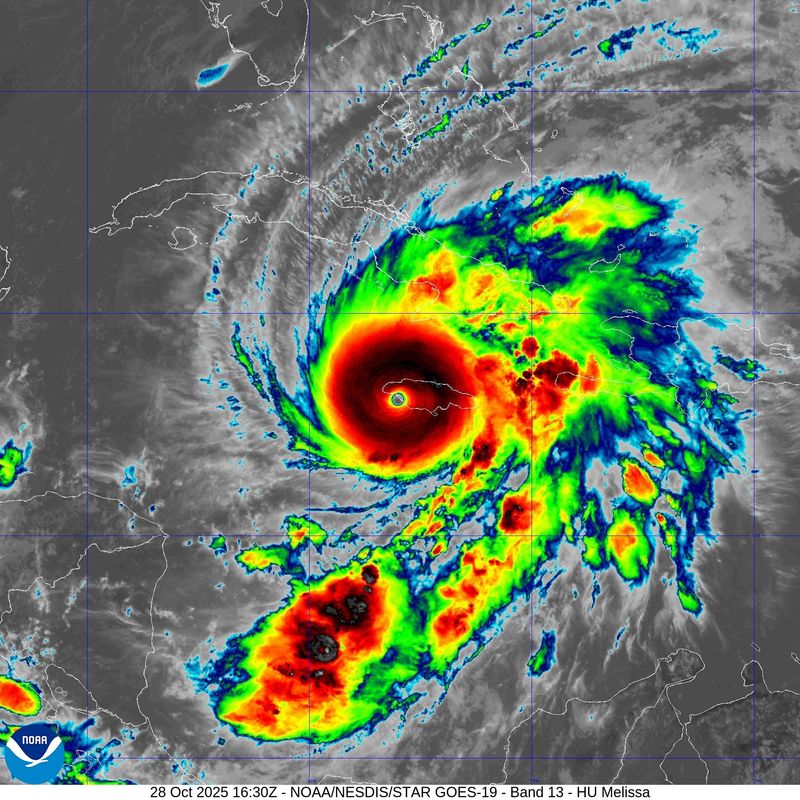
The season ended with a bang, though, with Hurricane Melissa.
Major Hurricane Melissa — which saw sustained winds hit 190 mph and wind gusts topping 250 mph — kept Florida residents on edge before making landfall in Jamaica and then making a sharp right turn and heading away from the Sunshine State.
➤ Weather alerts via text: Sign up to get updates about current storms and weather events by location
Here’s the post-season review of Hurricane Melissa from the National Hurricane Center released Feb. 25.
Hurricane Melissa timeline: From tropical wave to record-breaking Cat 5 storm
See records broken or tied by Hurricane Melissa
Hurricane Melissa set several records, according to the National Hurricane Center. Among them were:
Atlantic basin
Worldwide
Death toll from Hurricane Melissa estimated at 95, with 2 in Florida
The estimated death toll from Hurricane Melissa is 95, including two indirect fatalities in Florida. The breakdown is:
“During recovery efforts from Melissa, a small plane bound for a relief mission in Jamaica crashed in Coral Springs on Nov. 10, shortly after taking off from Fort Lauderdale Executive Airport, killing two occupants on board.
➤ Father, daughter killed in plane crash carrying hurricane relief to Jamaica
“These two fatalities are considered indirect deaths associated with Melissa.”
When was the last time Florida was hit by a hurricane?
The last time Florida was hit by a hurricane was Hurricane Milton in 2024.
“Milton was one of the strongest hurricanes of record in the Atlantic basin, reachingCategory 5 intensity,” and sustained peak winds of 155 mph before weakening ahead of a Florida landfall, according to the National Hurricane Center’s report at the time.
“After an unusual eastward track across the Gulf of America, it made landfall on the west coast of the Florida peninsula — on Siesta Key — as a Category 3 hurricane, causing major damage in the Sarasota and Tampa Bay areas.”
Maximum sustained winds at the time of landfall were estimated at 115 mph.
The hurricane then moved across the state, entering the Atlantic near Cape Canaveral.
Hurricane brought ‘significant tornado outbreak’ to Florida
“Milton caused a significant tornado outbreak over the southern and central portions of the Florida Peninsula on Oct. 9, which included 45 known tornadoes on land and a tornadic waterspout over Lake Okeechobee,” the National Hurricane Center said.
Among the recorded tornadoes were:
“Milton is the first tropical cyclone in the Storm Prediction Center’s tropical cyclone tornado database (dating back to 1995) to produce more than one EF-3 tornado.
“The most significant tornado was an EF-3 that killed six people near Fort Pierce and Vero Beach. There were 14 known injuries associated with the tornadoes.”
When is hurricane season?
The Atlantic hurricane season will begin June 1, although storms can and do form earlier.
The season will end Nov. 30.
Stay informed. Get weather alerts via text
What’s next?
We will provide weather coverage as conditions warrant. Download your local site’s app to ensure you’re always connected to the news. And look for our special subscription offers here.
Cheryl McCloud is a journalist for the USA TODAY Network-Florida’s service journalism Connect team. You can get all of Florida’s best content directly in your inbox each weekday day by signing up for the free newsletter, Florida TODAY, at https://news-press.com/newsletters.
This article originally appeared on Fort Myers News-Press: Florida spared wrath of Hurricane Melissa, record-breaking storm
Reporting by Cheryl McCloud, USA TODAY NETWORK – Florida / Fort Myers News-Press
USA TODAY Network via Reuters Connect