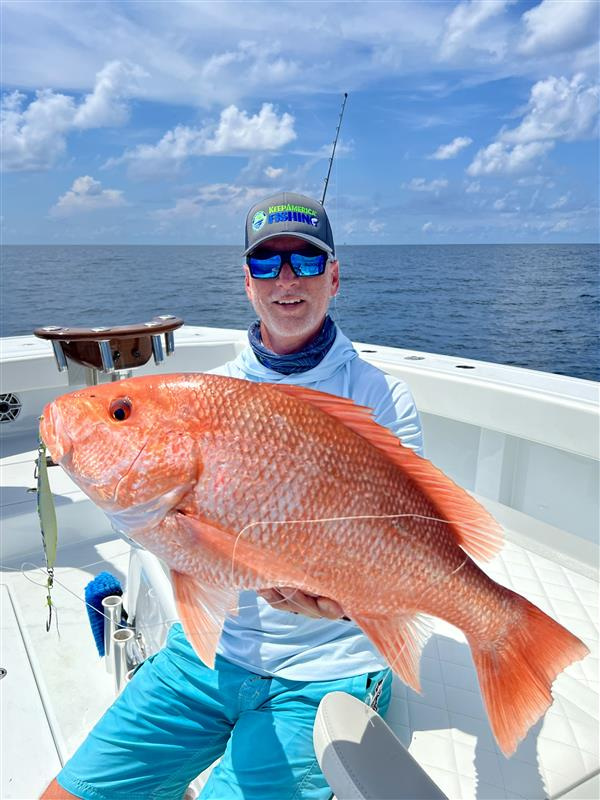
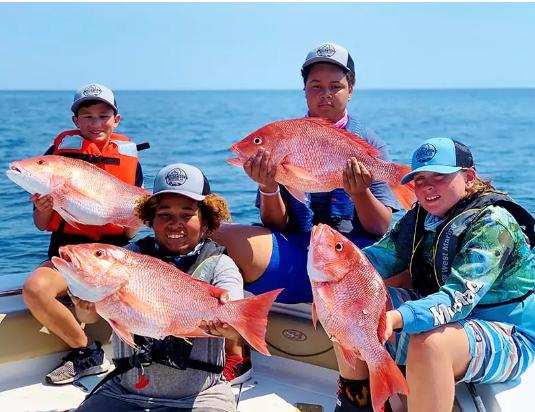
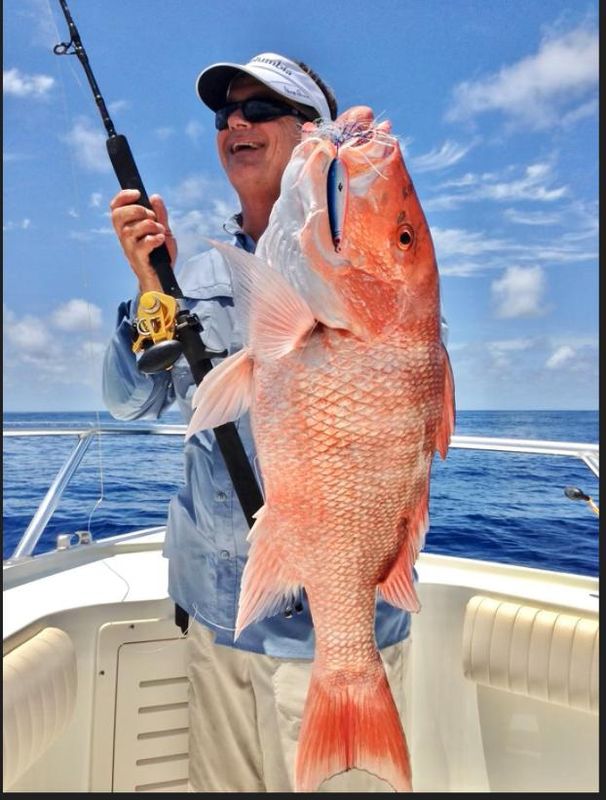
U.S. Reps. John Rutherford, R-Jacksonville (FL-05), Buddy Carter (GA-01), Russel Fry (SC-07) and David Rouzer (NC-12) have launched the House South Atlantic Red Snapper Task Force to improve management of the South Atlantic red snapper stock and lengthen its current two-day season.

In a news release, Rutherford described the “measly two-day recreational fishing season” as a byproduct of regulations issued by the National Oceanic and Atmospheric Administration (NOAA.) The congressmen also suggested that the Atlantic coastline’s red snapper fishing season become state regulated, as it is on Florida’s coast.
“It’s time to hand over the South Atlantic fishery management to Florida, Georgia, North Carolina, and South Carolina,” he said. “There are more red snappers in the South Atlantic than ever before.”
Describing the red snapper industry as crucial to coastal economies, Fry said that the task force will focus on enhancing data collection and expanding state authority to ensure predictable and longer seasons that benefit anglers and businesses.
“Across North Carolina’s coastal communities, sportfishing is an integral part of our economy, heritage, and way of life,” Rouzer said in the release. “The Red Snapper Task Force will help protect the industry which supports both sustainable fisheries and the hardworking fishermen who depend on them.”
The Red snapper debate
About 15 years ago, the South Atlantic Fisheries Management Council recommended terminating red snapper fishing because the bottom fish had become overfished.
Today, studies show that charter captains, anglers and businesses have successfully replaced the red snapper stock. However, red snapper fishing restrictions have remained in place, inciting controversy between local, state, and federal officials.
Last January, Rutherford; Darren Soto, D-Kissimmee; and Scott introduced the Red Snapper Act to stop NOAA from “unilaterally closing the red snapper fishery in the South Atlantic until reliable and accurate data is gathered” from an independent study entitled the South Atlantic Great Red Snapper Count.
Rutherford described the 2024 one-day red snapper fishing season as “a confounding, ridiculous, draconian measure that greatly affected local economies and livelihoods.”
Scott said NOAA’s now “inaccurate data” hinders Florida’s multibillion-dollar fishing industry, which supports hundreds of thousands of jobs and attracts visitors to coastline communities.
And while NOAA doesn’t deny that red snapper is no longer threatened by being overfished, the current season that took place earlier this month attracted just as much, if not more, criticism against the federal agency.
Martha Guyas, policy director for the American Sport Fishing Association, told the St. Augustine Record that the red snapper fishery rebound has evolved to become management’s inability to keep up with rebound’s success.
“From a conservation perspective the closure worked,” she said. “Clearly the fishery is doing better, and we should allow people to harvest more. There’s been a lot of resentment and it’s been tough on those who rely on fishing for their livelihood.”
Guyas said that she was of the “mindset” to provide the same opportunities on the Atlantic Coast that are given on the Gulf Coast, “even though that fish stock is a separate population that doesn’t mix with the Atlantic.”
“Under Florida authority, the Gulf Coast of Florida’s red snapper season is 126 days,” she continued. “Under federal management, the Atlantic Coast season was two. And yet, we have more red snappers in the Atlantic now than any living person has seen in their lifetime.”
With a 50-year life span and reproduction beginning at two, these “big fish” can reproduce like “gangbusters.” Guyas also described the “frustration” experienced when catching red snappers “incidentally” while fishing for other species.
“Red snappers caught and released in deep waters can die from barotrauma, which is caused by sudden or significant shifts in air or water pressure, similar to a diver suffering from the bends,” she said. “With a percentage of red snappers ultimately dying, we’re stuck in a successful management trap that’s not translated into opportunities to harvest.”
And while the debate remains ongoing, Guyas admitted that many anglers have lost their faith in the management process.
“Congressmen Rutherford championed funding for better data collection from the Florida Fish and Wildlife Conservation Commission to inform the fisheries of what’s happening to the red snapper,” she concluded. “We’re at the 15-year mark and we’re at a breaking point. Something has to change.”
Last month, Rutherford led a bipartisan, bicameral group of Florida legislators in a letter to U.S. Commerce Secretary Howard Lutnick in support of Florida state management of red snapper and other reef fish in the South Atlantic.
Last year, the Florida Fish and Wildlife Conservation Commission received three EFP permits from NOAA Fisheries to conduct studies from the East Coast Florida/Georgia coastline south to the Dry Tortugas to enable the agency to collaborate with anglers, initiate processes to reduce red snapper discards, increase harvest opportunities and improve angler satisfaction.
The data collection ends at the end of July.
This article originally appeared on St. Augustine Record: Florida lawmakers and agencies work to lengthen Florida’s red snapper fishing season
Reporting by Lucia Viti, St. Augustine Record / St. Augustine Record
USA TODAY Network via Reuters Connect