

In recent decades, the awareness of, and advocacy for, attention deficit hyperactivity disorder (ADHD) and its millions of sufferers have grown exponentially.
This is especially true for school-age kids and college students, both of whom are often diagnosed early in life.

But a local expert believes a silent yet epic ADHD struggle is happening in secret for countless people — and they don’t even realize they have the condition.
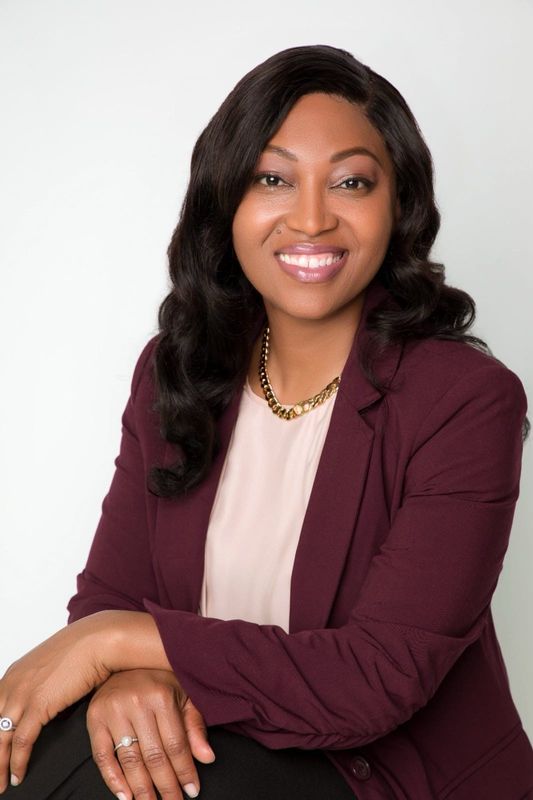
Roseline Raphael, a psychiatric nurse practitioner with Alpert Jewish Family Service in West Palm Beach, said that adults suffering from undiagnosed adult ADHD experience untold levels of exhaustion and frustration from the constant mental strain of forgetting appointments despite good intentions, misplacing their keys (yet again), staring at an email for hours without being able to hit send, or feeling overwhelmed by tasks that others seem to complete with minimum effort.
These people, she says, are “living with a brain that rarely slows down, while also carrying the shame of believing that these struggles reflect laziness or a lack of discipline. In my years of practice, I have met adults who have spent years believing they are fundamentally flawed. They describe themselves as lazy, disorganized, unreliable, or incapable of reaching their potential, labels they’ve accepted because they have heard them for so long from employers, teachers, spouses, family members, and eventually from themselves.”
ADHD diagnosis changes lives
Though she has worked with countless clients and patients over the years, Raphael says that one in particular with ADHD has stayed with her — and serves as a great example of how an ADHD diagnosis, no matter the patient’s age, can transform that person’s life in untold ways.
The patient was a professional in his late 40s who sought treatment after years of growing tension in his marriage. His wife had become exhausted by his unfinished household projects, chronic forgetfulness, and promises that repeatedly slipped through the cracks.
At work, the man fought similar battles. Deadlines were missed, and daily tasks remained incomplete.
“He explained to me that every day he felt like he was running uphill while everyone around him appeared to be moving on level ground, and some of them even downhill,” recalled Raphael. “For his entire adult life, more than 25 years, he believed the problem was his character.”
After a comprehensive psychiatric evaluation, it became clear that ADHD, not a lack of effort, was driving many of his lifelong difficulties.
“Within months of beginning treatment and learning practical behavioral strategies, his focus improved, his productivity increased, and he became more confident,” said Raphael. “His marriage improved too, because his wife finally understood that she had not been witnessing indifference or laziness. She had been witnessing untreated ADHD.”
Widespread condition
In the United States, federal health officials estimate that approximately 15.5 million adults currently live with an ADHD diagnosis.
But Raphael is especially concerned about those who remain undiagnosed because “the consequences extend far beyond distraction or forgetfulness. Untreated ADHD has been linked to lower educational attainment, occupational difficulties, financial instability, relationship conflict, anxiety, depression, accidental injuries, and substance use. Researchers estimate that untreated ADHD costs the United States somewhere between $143 billion and $266 billion every year through lost productivity, healthcare expenditures, and associated social costs.”
Interestingly, and despite its prevalence, Raphael says ADHD remains one of the most under-recognized conditions in adults, particularly among women and minority populations.
For instance, for decades ADHD research focused primarily on young boys with disruptive, hyperactive behavior.
“But we now understand that girls and women often present very differently with ADHD,” explains Raphael. “Rather than obvious hyperactivity, they frequently experience chronic disorganization, forgetfulness, emotional dysregulation, and internalized distress. Many become experts at masking their symptoms by overpreparing, relying on elaborate reminder systems, and working twice as hard simply to appear organized.”
Reducing the stigma
Raphael believes that stigmatization also continues to prevent many adults from seeking help for ADHD. This is especially true in communities of color.
“In many minority and Caribbean communities, mental health conditions are still misunderstood or viewed as personal weaknesses or shortcomings rather than legitimate medical conditions,” laments Raphael. “Too often, individuals are told to simply pray harder, work harder, or become more disciplined, instead of receiving a proper evaluation. As a result, many spend decades silently struggling with a condition that is both real and highly treatable.”
And speaking of treatment, Raphael notes that “one of the biggest misconceptions I encounter is that an ADHD diagnosis automatically means medication. It does not. Medication is one evidence-based treatment option, but it is only one component of a comprehensive care plan that may also include psychoeducation, therapy, coaching, workplace or academic accommodations, executive functioning strategies, and lifestyle modifications.”
As Raphael explains “our goal with a patient with ADHD is never simply to prescribe medication. Rather, it is to help that individual function at their highest potential and improve their quality of life.”
In bringing this topic to the fore, Raphael also urges people who “feel like they recognize themselves or someone they love in these experiences, do not settle for self-diagnosis or self-criticism. Seek a comprehensive psychiatric evaluation from a qualified mental health professional experienced in diagnosing and treating adult ADHD. You can replace decades of shame with something far more powerful: understanding and hope.”
Steve Dorfman is a journalist for The Palm Beach Post, part of the USA Today Network of Florida. He writes about all aspects of health, fitness and wellness. If you have news tips, please send them to sdorfman@pbpost.com. Help support our local journalism, subscribe today.
This article originally appeared on Palm Beach Post: Expert says life for adults with undiagnosed ADHD is ‘exhausting’
Reporting by Steve Dorfman, Palm Beach Post / Palm Beach Post
USA TODAY Network via Reuters Connect

By Steve Dorfman, Palm Beach Post | USA TODAY Network
