Photo and video footage captured around the High Desert signify that snake season is fully upon us.
From Southern Pacific rattlesnakes to gopher snakes and rarer long-nose snakes, these and more have been seen around the High Desert in June.

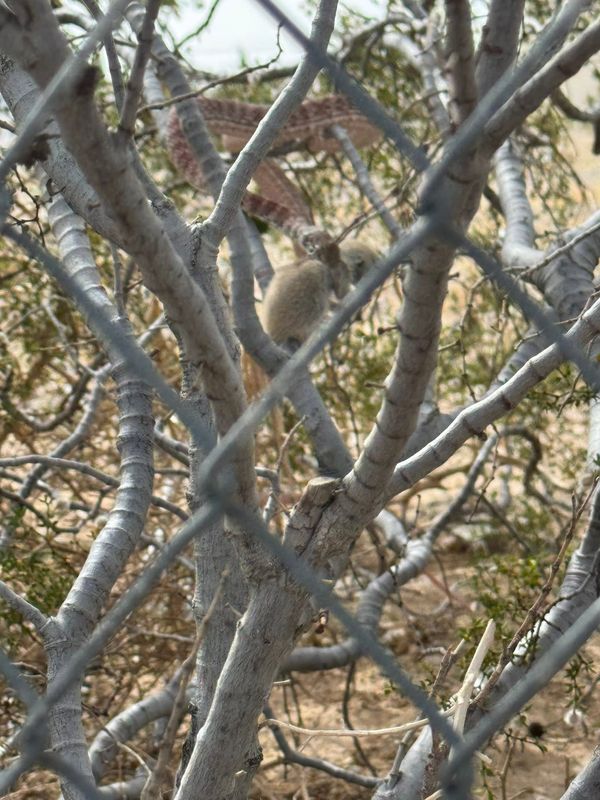
Among the most impressive captures is Daniel Benavidez’s photo of a red racer snake eating a squirrel for breakfast in the trees of Fort Irwin, 40 miles northeast of Barstow.
Dawn Mason Hove had a thirsty visitor in her backyard on June 26. She took a photo of a gopher snake drinking out of her hose in the Marianas area of Apple Valley. Despite leaving shallow bowls of water in her front yard for critters in the summer, she says running into the snake in the backyard was a “fun find.”
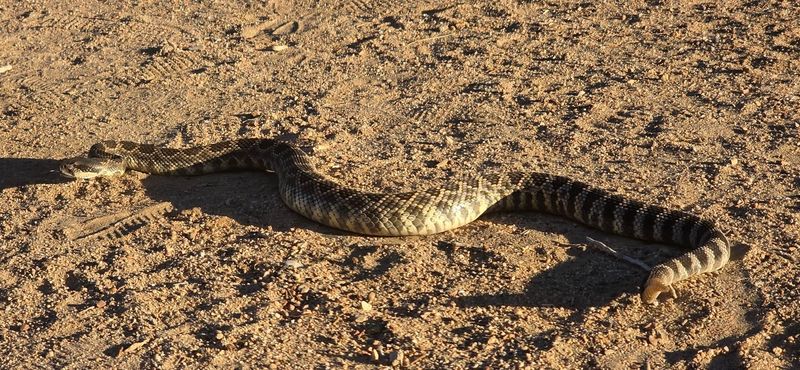
High Desert resident Bill Sky has taken tens of snake photos around the High Desert throughout the years. Most recently, he found three Mojave Rattlesnakes and one Western Shovelnose snake within days of each other.
His secret? Sky spends a lot of time driving quiet back roads with the specific intention of finding snakes in the wild. Unfortunately, he finds his fair share of dead snakes on the road too.
Hesperia resident Tyler Angelini also shared a photo of a Southern Pacific rattlesnake in his yard on June 19 on social media.
Vanessa Perea ran into a long-nose snake while hiking in Victorville, and Peter Steinwald encountered a gopher snake in his yard, which he says was the calmest one he’s encountered. He says the snake didn’t hiss or fight when he picked it up to move it out of harm’s way.
“This snake is welcome anytime.”
What to do if you find a snake on your property
Once desert chills give way to sunbaked roads and triple-digit days, venomous visitors make their presence known, typically from late April to October in the High Desert. With temperatures already dancing into the 90s, it is safe to say that prime snake weather is now.
High Desert Wildlife Control is a woman-owned business that uses ethical, poison-free wildlife solutions. According to a written statement, they employ the only Certified Wildlife Control Professional (CWCP) in California and the only female CWCP in the United States.
Their other technicians work 24/7, especially during peak rattler season, and never harm the snakes they remove. Instead, the reptiles are checked for health and dehydration before being released to programs like venom research centers, educational programs, or dog avoidance programs.
Additionally, a snake response team was drawn up by the Facebook group High Desert Wildlife of volunteer snake removers in the High Desert. Check for insurance and consult volunteer snake trappers at your own risk.
California Fish and Wildlife recommends several ways to stay safe from a snake bite this summer, including wearing boots and long pants for protection if traversing areas filled with brush and always watching where you’re placing your hands and feet.
McKenna Mobley is a reporter for the Daily Press. She can be reached at mmobley@usatodayco.com or on Instagram @mckenna_dailypress.
This article originally appeared on Victorville Daily Press: High Desert residents capture photos of growing number of snake encounters
Reporting by McKenna Mobley, Victorville Daily Press / Victorville Daily Press
USA TODAY Network via Reuters Connect
By McKenna Mobley, Victorville Daily Press | USA TODAY Network