We wouldn’t tolerate a system that routinely lost track of prisoners, misplaced evidence, or failed to account for public funds. Yet children in foster care – the most vulnerable in our society – still disappear into bureaucratic blind spots, drift without stable placements, or move through court proceedings without a meaningful voice of their own.
Fortunately, Michigan lawmakers from both parties are working to change that.

Several reforms now moving through the Legislature seek to turn the foster care system’s focus away from paperwork and procedures and toward a commitment to keeping children safe, stable, and connected to family and community.
One promising package, House Bills 4696-4697, would strengthen placements with relatives or other known adults. Children fare better when they can safely remain connected to the people, schools, churches, and communities they already know and trust.
Licensing systems should identify genuine safety concerns, not create unnecessary barriers that prevent safe relatives from stepping forward. A grandparent or aunt willing to provide a stable and loving home should not be excluded over technical requirements unrelated to a child’s actual safety or well-being.
Michigan lawmakers have increased scrutiny of the foster care and child welfare system in the state, especially as it comes to vulnerable children who bounce between placements, crises, and systems so often that accountability begins to disappear.
Another important reform, House Bill 4750 and Senate Bill 18, would protect state and federal benefits belonging to children in foster care. These benefits were meant to support vulnerable children – not reimburse government systems. Children who receive Social Security survivor benefits after losing a parent should not see those resources quietly diverted away from their future. When the state takes custody of a child, it must act as a faithful steward of that child’s future – not a creditor seeking repayment.
Policymakers should continue pursuing a larger goal: ensuring that children grow up in families whenever safely possible, rather than spending long periods in institutional settings. Facilities may sometimes be necessary for short-term stabilization or treatment, but they should not become substitutes for family. Every child needs a path to a loving family capable of meeting his or her unique needs.
Children also need meaningful legal representation in foster proceedings. Every day, in courtrooms across Michigan, decisions are made about where children will live, whether they will be separated from siblings, where they will attend school, and who will raise them – yet the child’s own voice may barely be heard.
When the government assumes custody of a child, it has an obligation to safeguard that child’s legal and constitutional rights. A child-centered system ensures that children are not passive observers in proceedings that shape the course of their lives. Courts function best when judges hear from all affected parties, especially the child whose future is directly at stake.
Michigan has an opportunity to lead by building a foster care system that is transparent, accountable, and relentlessly focused on the needs of children themselves.
These reforms recognize that children need safety, stability, family, and a meaningful say in decisions that shape their lives. Families do best when they can raise their children without unnecessary government intrusion. When the state is forced to intervene for a child whose safety is genuinely at risk, it should strive to limit disruption. Children who have already experienced abuse, neglect, trauma, or instability deserve a system that keeps them safe and respects their rights.
A foster care system should not be judged by how efficiently it manages bureaucracy. It should be judged by whether vulnerable children emerge safer, more secure, and better positioned to build healthy lives.
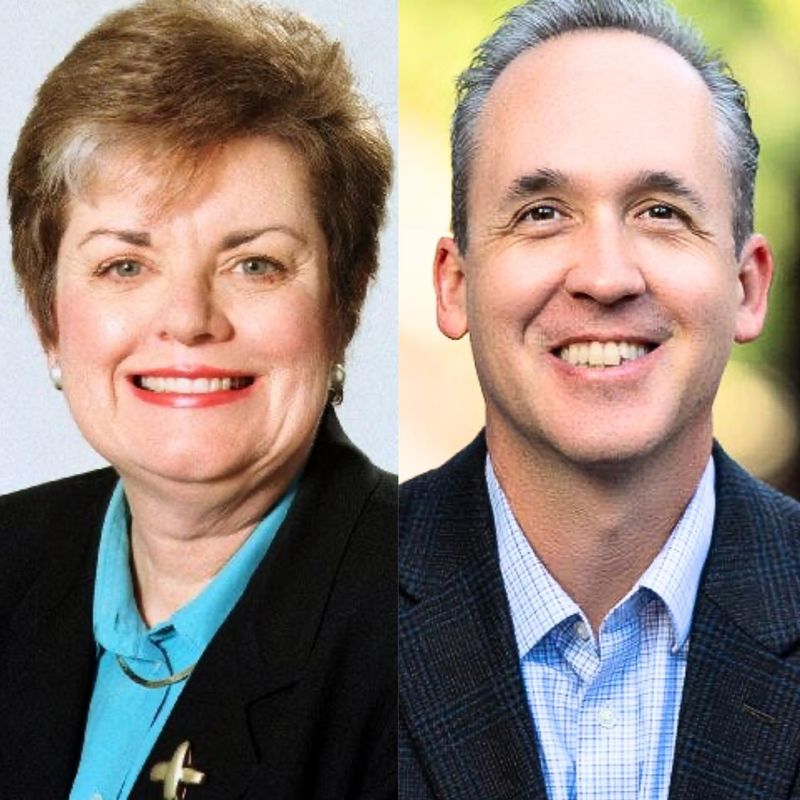
Tim Keller is senior vice president and legal director of the Center for the Rights of Abused Children, where he works to protect the rights of children in foster care. Maura Corrigan is a former chief justice of the Michigan Supreme Court and former director of the Michigan Department of Human Services who continues to work in child welfare advocacy and reform. They will appear on a panel with the Mackinac Center for Public Policy on June 10 in Lansing, open to the public and available to stream online.
This article originally appeared on Lansing State Journal: Viewpoint: Michigan bills move state foster care forward
Reporting by Maura Corrigan and Tim Keller, For the Lansing State Journal / Lansing State Journal
USA TODAY Network via Reuters Connect