Michigan’s state budget unexpectedly eliminated all $19.4 million in funding for a program that coordinates early childhood services in each county across the state, shocking school leaders, early childhood experts and parents.
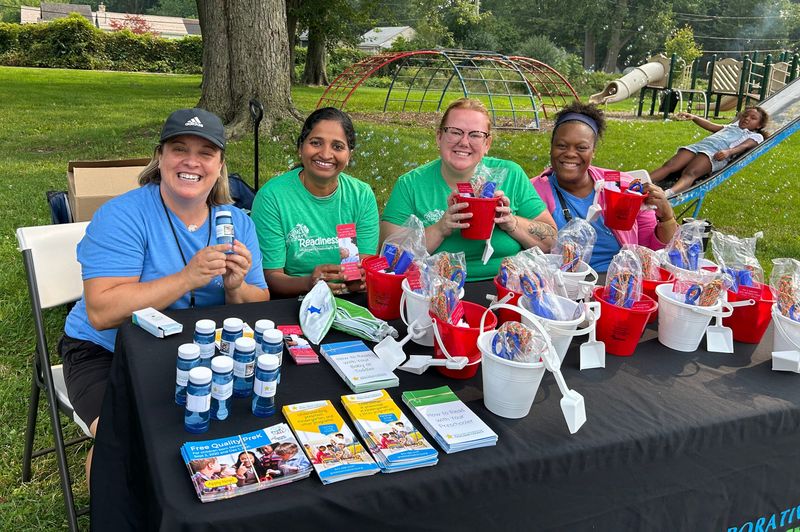
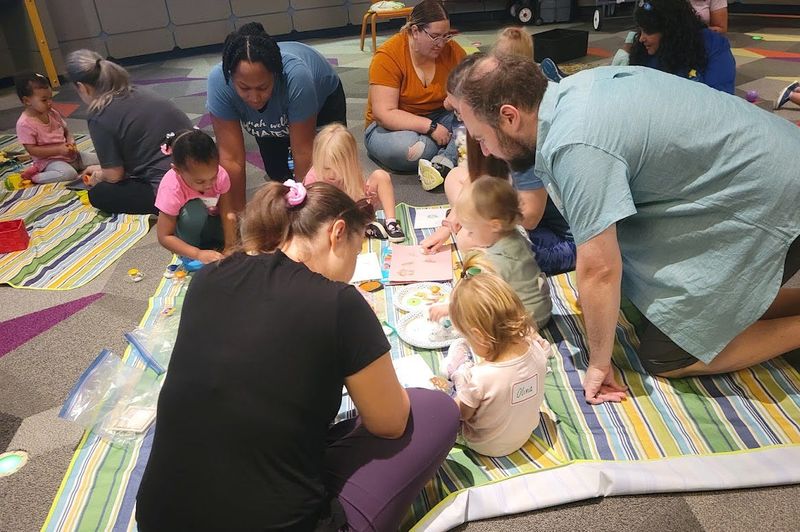
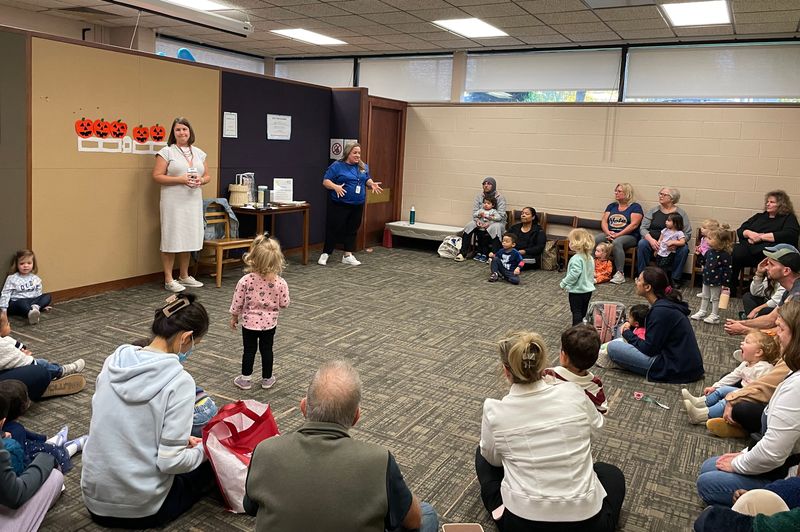
Great Start Collaborative works in a wide variety of ways, for example, to get families access to child care and preschool, early childhood literacy programming, developmental screenings, home visits for new parents, family playgroups and parent educational events.

The program has existed in Michigan for nearly 20 years, with the goal of making sure families and their children, especially those between birth and 5 years old, are able to access the services they need to be healthy and developmentally ready to succeed in school. In most counties, Great Start Collaborative funding is administered through Intermediate School Districts.
“Everybody is thrown,” said Annette Sobocinski, executive director at the Child Care Network, a nonprofit helping connect families to child care across southeastern Michigan. “It happened so suddenly and after the fiscal year. Now ISDs are scrambling to figure out what this means and do we have a way to sustain this work now that state funding is gone?”
In fiscal year 2025, across Michigan, over 280,500 children were served through Great Start Collaborative funds according to Tami Mannes, director of early childhood for the Ottawa Area Intermediate School District.
She collected this data in collaboration with the Michigan Association of Intermediate School Administrators and Help Me Grow Michigan, a program connecting families to early childhood services that is funded by Great Start Collaborative dollars in the majority of ISDs and will likely face significant cuts without state funding, Mannes said.
Gov. Gretchen Whitmer and state legislators contacted by the Free Press — including Tim Kelly, chair of the House Appropriations Subcommittee on School Aid and Department of Education, where Great Start Collaborative funding was housed, Senate Majority Leader Winnie Brinks, and Speaker of the House Matt Hall — did not respond to requests for comment on the elimination of this funding.
The cut comes after a monthslong budget stalemate saw the Michigan Legislature miss deadlines for approving a state spending plan as lawmakers fought over the size of the budget and funding priorities. The governor and legislative leaders eventually reached an agreement, and Whitmer signed the new budget into law on Oct. 7.
Through another portion of the programming, called the Great Start Family Coalitions, parents were also able to have a voice in shaping these services to better meet their needs, said Melinda Hambleton, who has worked as the Cheboygan-Otsego-Presque Isle Counties Great Start Collaborative coordinator for the last 17 years.
Parents, like Jessica Trotter, who has worked for nearly a decade in various roles at Oakland County’s Great Start Collaborative program and currently leads the county’s Great Start Family Coalition, say the cut will be detrimental to families with young children.
“We have one chance to make an impact in these earliest years,” Trotter said.
Great Start Collaboratives “help make this a reality,” she said, by helping families navigate and get connected to the wide range of resources available to them and their kids.
Trotter, a mother of three, worked with her Oakland County Great Start Collaborative to figure out how to navigate a complicated early education system to get services like Early On, the state’s early intervention system for infants and toddlers with developmental delays, for her three kids who each had speech delays when they were toddlers.
As a result of the funding cut, “school readiness is going to take a tremendous hit,” said Scott Koziol, the superintendent of Charlevoix-Emmet Intermediate School District. Koziol called the Great Start Collaboratives the bridge to building school readiness skills, like literacy, in kids.
The state budget increased funding for its universal pre-K program, known as the Great Start for Readiness Program, or GSRP, by $25 million. Koziol believes the Great Start Collaboratives cut was shortsighted and will likely result in Michigan children entering the GSRP program less prepared to succeed.
“If education is a priority in Michigan, how do you cut that?” Koziol said.
While some Great Start Collaboratives like the one in Koziol’s district will continue to operate without state funding by using other local dollars through millages and set-aside general funds, others don’t have the same availability of local funds. The Cheboygan-Otsego-Presque Isle Counties Great Start Collaborative program will be closing within a couple months, once carry-over funds run out, she said.
“Now, you’re going to have the have and the have-nots again,” Koziol said. “This funding leveled the playing field.”
No one saw cuts coming
Those who work in early childhood didn’t see the total elimination of funds for the Great Start Collaboratives coming, said Alicia Guevara, CEO of the Early Childhood Investment Corporation, a Lansing-based early childhood advocacy nonprofit.
While the governor’s and Senate’s proposed budgets both maintained full funding for the program, the House’s budget proposed rolling up Great Start Collaboratives’ money into general funds the ISDs could choose to use as they pleased. But following budget deliberations, neither option occurred and funding ended up eliminated entirely.
Koziol was frustrated by the opaque budget process.
“There was no heads-up about cutting the program or time to have a conversation with the Legislature about the importance of this program,” he said.
Sobocinski said she assumes the program wasn’t high enough priority for legislators, especially because a lot of the work of the Great Start Collaboratives — strengthening and streamlining systems to better “wrap around families to make sure each child has the best possible start in life” — can sometimes be hard to explain and illustrate impact.
Parents will lose access and a voice, advocates say
Parents and early childhood experts are lamenting the loss of a program they say represented the only statewide program entirely dedicated to coordinating and building up the multitude of local early childhood services, informed by the needs of parents.
It can be hard to quantify all that the Great Start Collaboratives did, because the work often differed county to county, depending on the needs of parents as communicated through the Family Coalitions, said Sobocinski. Family Coalitions brought together parents to engage them in conversation about how early childhood services in their area could work better for them.
Through the Cheboygan-Otsego-Presque Isle Counties Great Start Collaborative, for example, Hambleton said they worked with car seat technicians to get families free car seats and teach them how to install them, an essential service in the high-poverty counties. Due to the lack of prenatal and postnatal care in the rural counties, they also worked with other Great Start Collaboratives in Grand Traverse along with the Charlevoix and Emmet counties to get grant funding to train more doulas for home visits with both expectant and postpartum mothers.
The Charlevoix, Emmet, and Northern Antrim Counties Great Start Collaborative, Koziol said, brought together nonprofits, local agencies and foundations and child care and preschool providers to create a network of services to bring to child care deserts that exist throughout the counties.
This included bringing a statewide literacy initiative, Talking is Teaching, to parents in local grocery stores and laundromats. Reading corners and literacy games were set up throughout these places to help educate parents on the importance of talking and reading aloud to a little one’s healthy brain development.
The results of these kinds of efforts: healthier, safer, and developmentally prepared kids who are ready to learn, Koziol said.
In addition to the crucial impact the Great Start Collaboratives had on young kids, they were also “seen as one of the national examples of families being engaged to shape early childhood systems,” she said. Without the Family Coalitions, parents’ voices threaten to get lost, she said.
These Family Coalitions also helped parents fend off an increasingly common sense of isolation and overwhelming that parents say they experience, making them feel “they belonged and mattered,” Hambleton said.
Trotter said she previously felt this as a new mom.
“I was always really scared about going out with three kids under 1 and didn’t know how to navigate that,” she said.
Getting connected to playgroups and other parents through her county’s Great Start Collaborative helped her feel less alone among a network of parents. She also took part in educational sessions where she could find support and learn about early childhood issues “like picky eaters, sleeping through the night, or potty training,” she said.
At Hambleton’s Great Start Collaborative event last week, over 74 families showed up.
The mood was sobered by knowing that this could be their final event, Hambleton said. She said parents felt disheartened and asked her “who is going to listen to our voice and help us find these resources we need?”
The last name of Superintendent of the Charlevoix-Emmet Intermediate School District, Scott Koziol, was spelled incorrectly in a previous version of this article.
Beki San Martin is a fellow at the Detroit Free Press who covers child care, early childhood education and other issues that affect the lives of children ages 5 and under and their families in metro Detroit and across Michigan. Contact her at rsanmartin@freepress.com.
This fellowship is supported by the Bainum Family Foundation. The Free Press retains editorial control of this work.
This article originally appeared on Detroit Free Press: Program for young Michigan kids, families lost all its state funding in budget cut
Reporting by Beki San Martin, Detroit Free Press / Detroit Free Press
USA TODAY Network via Reuters Connect