SPRINGFIELD, IL – Vote by mail and challenges the United States Postal Service faces continues to be top of mind for U.S. Rep. Nikki Budzinski, D-Springfield.
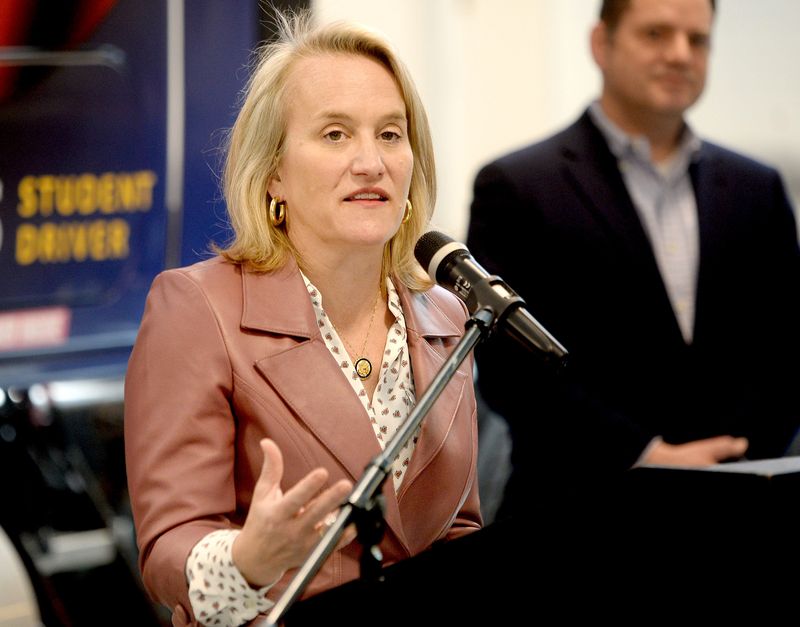
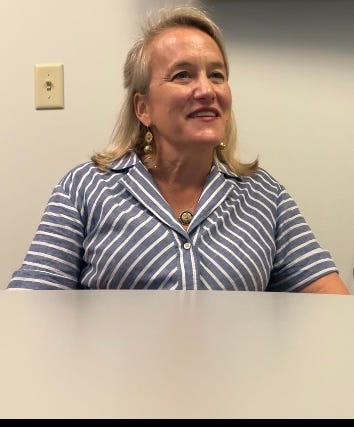
Budzinski represents Illinois’ 13th district, including the capital city, and is up for election in November. She recently sat down with The State Journal-Register for an exclusive interview.

Along with the USPS and vote by mail, we also asked her about challenges surrounding Medicaid cuts and rural hospitals.
Voting by mail
Budzinski voiced opposition to President Donald Trump’s efforts to tighten rules for mail-in voting. Trump also seeks, via an executive order, to create a federal list of U.S. citizens eligible to vote in every state, among other things.
“States are responsible for conducting and holding their own elections, and that’s what we want to make sure that we’re protecting,” Budzinski said as she spoke about the federal eligibility database.
Budzinski said she has helped to lead letters to voice her opposition to Trump’s executive orders and she will continue to speak up about it.
“Vote by mail is critical to people who are working everyday that might not have the time or the luxury to actually show up at a polling place,” she said. “Other people make time to show up and vote on Election Day and that’s great, we want to protect that. But for people that maybe work different shifts; they might not be able to actually get to the poll during the daytime hours. If they had the flexibility to vote by mail, it just increases participation. We want everybody to be able to vote, and have their vote counted.”
The congresswoman also believes that “a lot of misinformation” is coming out of the White House about voter fraud.
“No one wants any non-citizens to be voting. Non-citizens are not allowed to vote, but the president continues to try to chip away at – we believe in free and fair elections, but if he’s trying to erode the basic integrity of our elections like putting out this misinformation – I think it’s important that I continue to speak out against it,” Budzinski said.
Postal challenges
Budzinski chairs the Congressional Postal Service Caucus that was established in July of 2025.
The congresswoman has sought to stop the federal government from downsizing a Springfield USPS processing and distribution center, though the center changed some of its operations, she said. The changes were made under the Delivering for America plan.
Such a center in Champaign was set to be downsized or closed but is no longer on a list with that designation, Budzinski said.
She also has expressed concern for the decline of on-time delivery of mail.
The SJ-R asked Budzinski if she anticipated challenges to vote by mail when she began advocating for the USPS-related issues.
“My intentions of starting the postal service caucus and most of the issues that we focus on in a bipartisan basis is, how do we continue to invest and support the universal service obligation of the USPS – so that’s supporting the workforce, that’s increasing on time mail delivery rates, but the issues around vote by mail have really been handled almost separately,” she said.
Budzinski aims to look at issues she may be able to include in a postal reform package after the election.
Medicaid cuts and rural hospitals
Part of the One Big Beautiful Bill that Trump signed in July 2025 includes $1 trillion in cuts to Medicaid, which is the largest cut to Medicaid in the program’s history.
The SJ-R asked Budzinski about challenges facing rural hospitals in central Illinois.
“It’s going to negatively impact people all across this country, whether you’re in an urban, suburban, or rural setting, but our rural hospitals in particular are going to be hit the hardest, I believe, in the district,” Budzinski said.
22,000 of central Illinois residents within Budzinski’s district could become ineligible for Medicaid, she said, meaning they would be uninsured. The full impact of the cuts will not be seen for another year or so when more of the bill is implemented, Budzinski added.
The loss of funding is going to “fundamentally change the way some of our hospitals operate in our area,” she said.
The $193 million that Illinois is receiving in lieu of the cuts, which will be given to Illinois over the next five years, is “like a band-aid on a stab wound,” Budzinski said.
The congresswoman said she is in regular touch with central Illinois healthcare providers and representatives of the Governor’s office as work requirements start to go into effect in the U.S.
Tom Ackerman covers breaking news and trending news along with general news for the Springfield State Journal-Register. He can be reached at tackerman@usatodayco.com.
This article originally appeared on State Journal-Register: Budzinski talks vote by mail challenges, Medicaid cuts | Exclusive
Reporting by Tom Ackerman, Springfield State Journal-Register / State Journal-Register
USA TODAY Network via Reuters Connect
By Tom Ackerman, Springfield State Journal-Register | USA TODAY Network