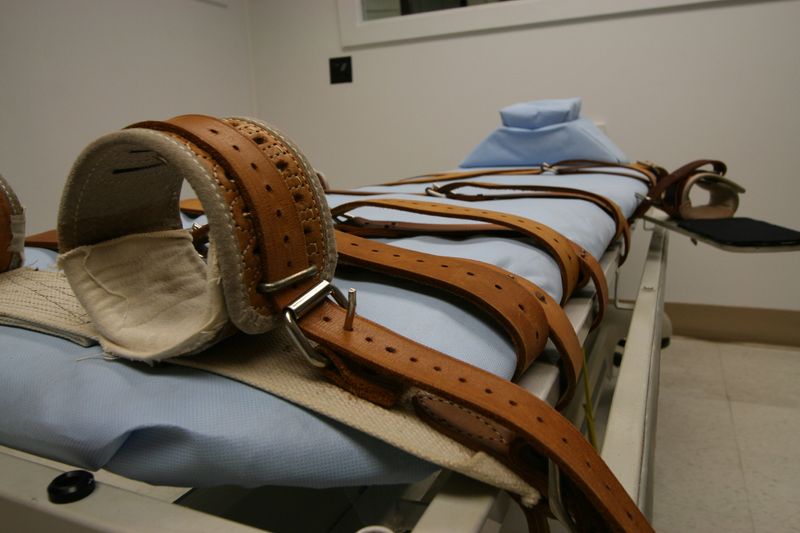
Florida has seen a dramatic increase in the number of executions. The state put to death 19 inmates in 2025, more than double the state’s previous record and nearly half of all executions in the U.S. that year.
DeSantis has said that the death penalty is “an appropriate punishment for the worst offenders” and that the families of the victims have waited long enough.

During the increased pace of DeSantis’ death warrants, attorneys for the inmates have pointed to documents released in 2025 that suggest that the state is not following its own execution protocols for its three-drug execution method and may have used the wrong or expired chemicals or insufficient dosages, potentially violating the U.S. Constitution’s Eighth Amendment prohibition on cruel and unusual punishment.
Attorneys, anti-death-sentence advocates, and even a former Florida Supreme Court Justice have also drawn scrutiny to several other aspects of Florida’s death penalty system:
Here are the people Florida has executed so far in 2026.
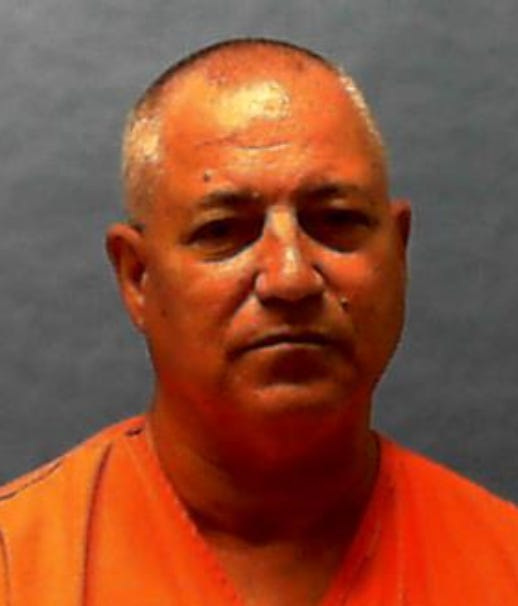
1. Ronald Heath, executed Feb. 10
Ronald Palmer Heath, 64, was sentenced to death for shooting, fatally stabbing, and robbing Michael Sheridan in a wooded area south of Gainesville in 1989, according to court documents.
The crime: Heath was on parole from a previous murder conviction when he and his brother Kenneth met Sheridan in a bar and lured him to the woods with the promise of marijuana to rob him, according to Kenneth Heath, who testified against Ronald for a lighter sentence. Ronald Heath ordered his brother to shoot Sheridan and then kicked and stabbed the fallen man. When Ronald was unable to cut Sheridan’s throat, Kenneth Heath said his brother ordered him to shoot the man in the head, which he did, twice.
The two men were caught after running up purchases on Sheridan’s credit cards. Kenneth Heath pleaded guilty and was sentenced to life imprisonment without eligibility for parole for 25 years for the murder conviction. Ronald Heath was found by the court to have been in control of the murder, even though Kenneth fired the gun, and was sentenced to death.
Appeals: Heath’s attorneys cited issues regarding Florida’s lethal injection protocol, state secrecy in clemency proceedings, his psychological age due to traumatic incarceration, and the non-unanimous, 10-2 jury recommendation. His appeals were denied.
Executed: Feb. 10, the first execution in Florida in 2026.
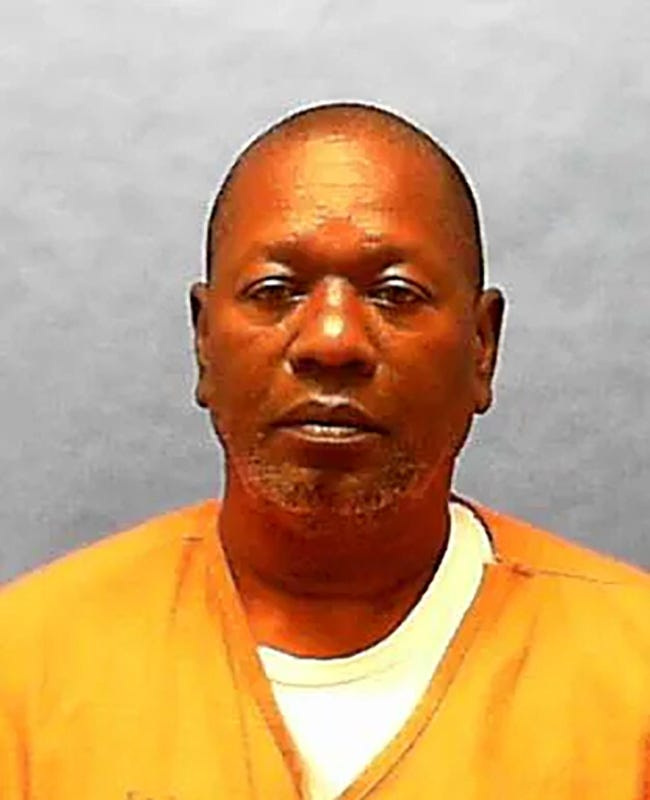
2. Melvin Trotter, executed Feb. 24
Melvin Trotter, 65, was convicted of first-degree murder and sentenced to death for brutally killing 70-year-old shop owner Virgie Langford in Palmetto in 1986.
The crime: Trotter was on house arrest for a previous burglary conviction when prosecutors said he waited outside Langford’s Grocery Store in Palmetto on June 16, 1986, for the last customer to leave. Langford was alone, cutting meat in the back. Trotter began rifling through the cash register for money to buy drugs, according to court records, when Langford encountered him.
Prosecutors said he stabbed her seven times with a butcher knife before fleeing, disemboweling her, court records show. A truck driver found her and called for help. Langford was able to identify Trotter, but died of cardiac arrest hours after her surgery.
Appeals: Trotter’s attorneys claimed that Florida’s recent problematic history of lethal injections constituted a violation of his constitutional protection from cruel and unusual punishment. The appeal was denied, although Supreme Court Justice Sonia Sotomayor, in the statement, expressed concerns over the state’s “secrecy.”
Execution: Trotter was executed on Feb. 24.
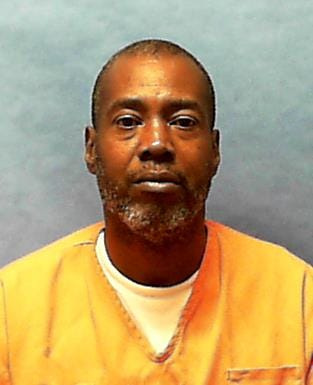
3. Billy L. Kearse, executed March 3
Billy Leon Kearse, 53, confessed to shooting Fort Pierce police officer Danny Parrish with his own service weapon during a traffic stop in 1991.
The crime: Kearse was driving the wrong way on a one-way street in St. Lucie County when Parrish saw him, court records show. After he couldn’t provide a driver license and gave several false aliases, Parrish tried to handcuff him, but Kearse grabbed Parrish’s gun and fired 14 shots, prosecutors said. Thirteen of them struck Parrish, nine in the body and four in his bulletproof vest, according to court records.
A witness saw him drive away and called for help for Parrish, who died at the hospital. Kearse was sentenced to death for the murder, life for the robbery, and 10 years for the burglary charges.
Appeals: Kearse’s attorneys argued that there was newly acquired evidence that Kearse’s jury was improperly influenced by the presence of uniformed law enforcement officers in the courtroom, that his death sentence was unconstitutional because he was intellectually disabled, and that Florida’s death warrant process violates due process. His appeals were denied.
Execution: Kearse was executed on March 3.
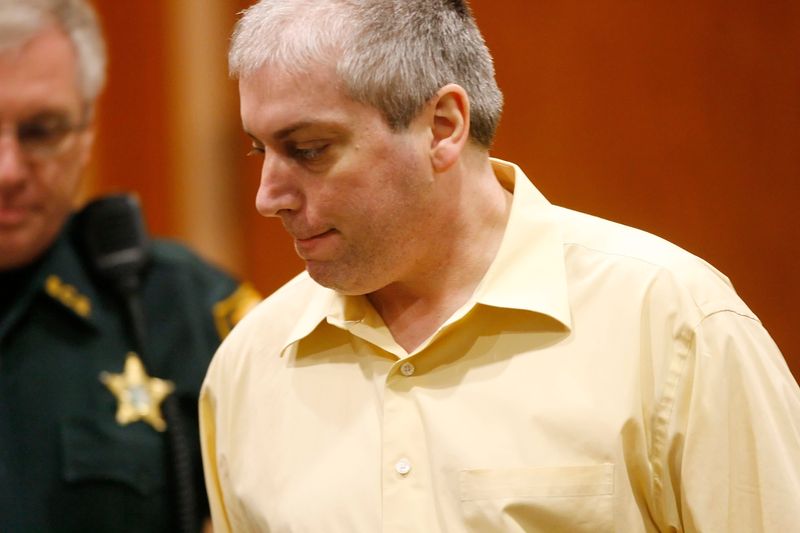
4. Michael L. King, executed March 17
Michael Lee King was convicted of kidnapping, raping, and murdering Denise Amber Lee, 21, the mother of two and the daughter of a Charlotte County sheriff’s sergeant, in 2008.
The crime: King abducted Lee from her North Port home while her two infant sons were left behind, took her to his house, raped her, and then drove her to his cousin’s house to borrow a flashlight, shovel, and gas can while she called out for help, prosecutors said.
Multiple people who saw her in his car called 911, including King’s cousin after they left, and Lee herself from the back seat using King’s cell phone. Other witnesses saw her struggling in the car at traffic stops and called police, but miscommunication between jurisdictions created a delay in responding. Her body was found, shot in the face and buried, two days later.
King pleaded not guilty, but based on significant DNA evidence at his home and car, a jury convicted him of first-degree murder, involuntary sexual battery, and kidnapping. Two years later, Florida lawmakers passed the “Denise Amber Lee Act” to establish statewide criteria for emergency dispatcher training.
Appeals: Attorneys for King argued that Florida’s recent questionable execution procedures violate his constitutional rights and claimed that the process amounts to cruel and unusual punishment under the Eighth Amendment. An appeal to the Florida Supreme Court said that the state denied him due process by refusing to release records about Florida’s recent executions. The appeals were denied.
Execution: King was executed on March 17.
5. Chadwick Willacy, executed April 21
Chadwick Willacy, 58, was convicted of setting his neighbor, Marlys Sather, on fire after she discovered him burglarizing her home in 1990.
When she arrived unexpectedly, Willacy struck her several times, tied her up, attempted to strangle her, and then set the house on fire after removing the smoke detectors and dousing her with gasoline, prosecutors said. Sather was alive at the time, an autopsy showed, and had managed to pull free from her shoes before succumbing to the flames and smoke inhalation.
Willacy was found guilty of first-degree murder, burglary with an assault, robbery with a weapon, and arson in the first degree and was sentenced to death. His sentence was vacated in 1995, and a jury recommended a death sentence again, 11-1.
Appeals: Willacy’s death warrant was issued six days after he requested state public records about Florida’s lethal injection protocol and governmental communications about his case. After that was denied, he appealed to the Florida Supreme Court and then the U.S. Supreme Court, saying those denials infringed on his rights to due process, equal protection, and access to the courts. His appeals were denied.
Execution: Willacy was executed on April 21.
7. James E. Hitchcock, executed April 30
James E. Hitchcock, who was sentenced to death for the rape and murder of his 13-year-old step-niece, Cynthia Driggers, in Orlando in the summer of 1976.
In the early morning hours of July 31, 1976, Hitchcock raped Driggers, who was just three days shy of her 14th birthday, at his brother’s home in Winter Garden and strangled her to death. In a confession to police, which he later recanted, Hitchcock said he killed the teen to keep her from telling her mother what he’d done.
Appeals: Hitchcock has appealed over the trial judge’s instructions for the jury not to consider mitigating factors and other procedural grounds. Due to different rulings from the U.S. Supreme Court, and subsequent resentencing, Hitchcock was sentenced and resentenced to death four times. Both the Florida Supreme Court and the U.S. Supreme Court denied his appeals before his execution.
Execution: Hitchcock was executed on April 30.
8. Richard Knight, executed May 21
Richard Knight, 47, was convicted of the stabbing murders of Odessia Stephens and her 4-year-old daughter, Hanessia Mullings, in Broward County in 2000.
The crime: After Stephens gave Knight an ultimatum to move out of the place she shared with her boyfriend and his cousin, Hans Mullings, prosecutors said Knight stabbed Stephens multiple times until she stopped defending herself before turning to the child and strangling and stabbing her to death.
Knight confessed that he hid his clothes, showered, and cleaned the knives, but climbed out of his bedroom window after police officers knocked on the door. An officer spotted him outside, where he said he had been jogging despite his work shoes.
Appeals: Knight’s attorneys argued to U.S. Supreme Court that his sentencing was unconstitutional and Florida’s new lethal injection protocol as a violation of his Eighth Amendment rights since it allows the executioner to cut into his body without anesthesia to expose a vein if needed. That petition and an appeal for a stay of execution were denied Thursday afternoon.
Executed: Knight was executed on May 21.
James A. Duckett scheduled for execution, stayed
The man scheduled to be third on the list, Lake County police officer James Duckett, successfully filed a motion to stay his execution pending DNA testing.
Duckett was sentenced to death for the 1987 rape and murder of 11-year-old Teresa Mae McAbee after witnesses saw him driving away with her in his patrol car. After Duckett himself filed the missing person’s report and put up flyers, a fisherman found her sexually assaulted, strangled, and drowned body the next day near the shore of Knight Lake.
Eyewitness accounts, DNA evidence, fingerprints, and tire treads from Duckett’s patrol vehicle led to his conviction, although one witness later recanted and Duckett’s attorneys challenged the expert testimony. Duckett claimed to be innocent for decades before the new appeal, which centered on a DNA sample from McAbee’s underwear that remained untested until now. The court agreed it could make a difference in the case.
The time period for Duckett’s death warrant has now expired, and a new one would have to be issued.
C. A. Bridges is a journalist for the USA TODAY Network-Florida’s service journalism Connect team. You can get all of Florida’s best content directly in your inbox each weekday day by signing up for the free newsletter, Florida TODAY.
(This story was updated to add new information.)
This article originally appeared on Florida Today: Who has Florida executed so far in 2026? Here’s the list
Reporting by C. A. Bridges, USA TODAY NETWORK – Florida / Florida Today
USA TODAY Network via Reuters Connect