LANCASTER − Devastating.
That’s how some Fairfield County nonprofit agency leaders called the possible loss of revenue if Ohio voters decide to scrap property taxes.

The Fairfield County Alcohol, Drug Addiction and Mental Health (ADAMH), the Fairfield County Board of Developmental Disabilities and Meals on Wheels of Fairfield County all depend on property tax money for major portions of their budgets.
ADAMH executive director Marcy Fields said she and Fairfield DD superintendent David Uhl and Meals on Wheels executive director Anna Tobin are not discounting the public’s discomfort with property taxes.
“We completely understand that,” Fields said. “I think as organizations, we support the reform that’s already happened recently in the legislature with property taxes. We know there could be additional reform, and we’re not against that at all. What we are concerned about is this ballot initiative that, if it goes through, is going to create an abrupt end to all property taxes, which would result in the end of many, many public services.”
To make the Nov. 3 ballot, the amendment’s backers must collect more than 413,000 signatures from at least 44 counties by July, the Columbus Dispatch reported.
Fields said property taxes usually make up two-thirds of the ADAMH budget, along with state and federal funding. She said there are several things the agency could not do without property tax money, including building a supportive housing unit that is now under construction.
ADAMH had an approximate 2025 budget of $13 million, which includes extra money to build Venture Place supportive housing complex. Property taxes comprised about $7.4 million of that. It usually has an annual budget of $10 million to $11 million and in some years property taxes have comprised around 65% of it.
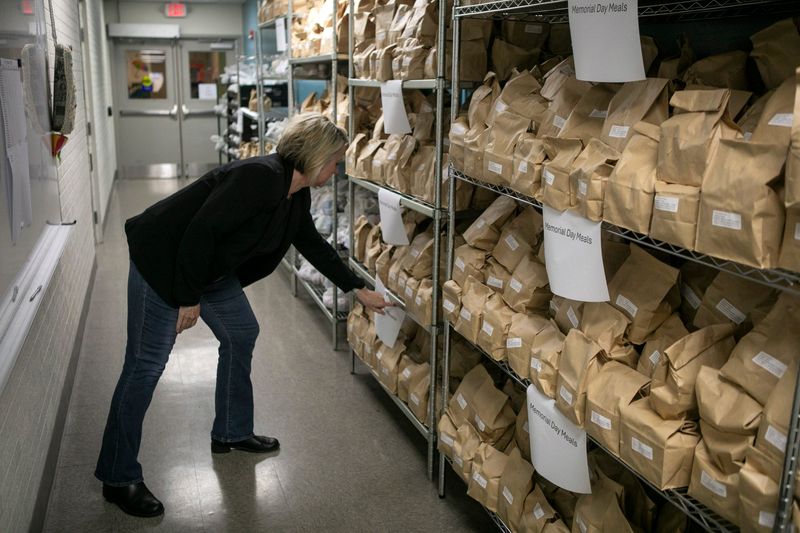
Meals on Wheels has an annual budget of about $6.2 million, with around $4.7 million, or 76%, coming from property tax money that voters approve every five years through a levy.
Fairfield DD’s annual budget is about $22 million, with about $17 million, or 78%, coming from property tax revenue.
Fields said without property taxes, ADAMH would have to cut back on services and people would do without as far as having a safety net.
Meals on Wheels serves about 3,200 local seniors each year. But Tobin said that number would drop to around 500 if property tax money is eliminated.
She said abolishing property taxes with no plan for what comes next is irresponsible, “and really not a viable solution.”
Tobin said the program’s various social service agencies provide to those in need are foundational and not supplemental.
“These lifelines were put into place many years ago to meet the needs for the community-based services to avoid the costly alternatives to institutional care and the high cost of health care,” she said. “Our services end up saving taxpayers money in the long run. We can feed and care for an older adult for an entire year for a lot less than one day in the hospital or six days in a long-term care facility.”
Tobin said eliminating property taxes would dismantle all of those needed services that she said voters approved 50 years ago to help local seniors.
“Dismantling the system will leave thousands of Fairfield County older adults without the lifeline to food, to transportation, to home repairs and caregiver support and other services that really do support their health and their connection and their independent living,” Tobin said. “Our funding levels would drop drastically, of course, and a waiting list would ensue.”
Uhl said it’s fascinating to think about the question of whether or not voters would abolish property taxes.
“Because when it comes to ADAMH, Meals on Wheels, DD and multitude of other organizations, voters approved,” he said. “They voted to approve these levies. These are not anything that have been put on the voters that they have not voted on in favor of before.
“They are not the reason property taxes have skyrocketed over many, many years. Once a levy passes, it’s set. It doesn’t change. It’s set at that rate until it gets voted on again. And even then it can be set at that same rate.”
Uhl said property tax legislation does need reform, but that the state legislature passed the greatest property tax reform in the last 50-plus years.
“And never again will property tax payers see these massive increases that they’ve seen before,” he said. “It’s now capped at inflation. So from that perspective, when we have our reassessment of property in a couple of years, it’s going to be much less of an increase than it has ever been before. And I’m talking single digits. Not 50%, 70% or 100% more than they were paying three years before. It’s going to be very, very low.”
Therefore, Uhl said he thinks voters will continue to support the various entities in the county that depend on property taxes.
He said Fairfield DD supports about 1,800 people in Fairfield County, plus their families.
“Because it’s nearly 80% of our revenue, it (loss of property tax money) it would be devastating if the ballot initiative were successful in making the November election,” Uhl said. “And if it were passed, it would gut services that people depend on for health and safety. It would gut services that people depend on to live more independently in the community.”
He said one of those services would be Forest Rose School and those with disabilities the school serves. Uhl also said the loss of property tax money would “explode” the Fairfield DD wait list, of which he said there is no wait list now.
“We would have massive waiting lists of people who need health and safety,” he said. “Who need support but who would not be able to get it. There’s no doubt this would be devastating to the local service system. And certainly from a statewide standpoint, it would impact the entire state in every county going forward.”
jbarron@gannett.com
740-681-4340
Twitter/X: @jeffrey_ba7142
This article originally appeared on Lancaster Eagle-Gazette: If Ohio scraps property taxes, effect here could be ‘devastating’
Reporting by Jeff Barron, Lancaster Eagle-Gazette / Lancaster Eagle-Gazette
USA TODAY Network via Reuters Connect