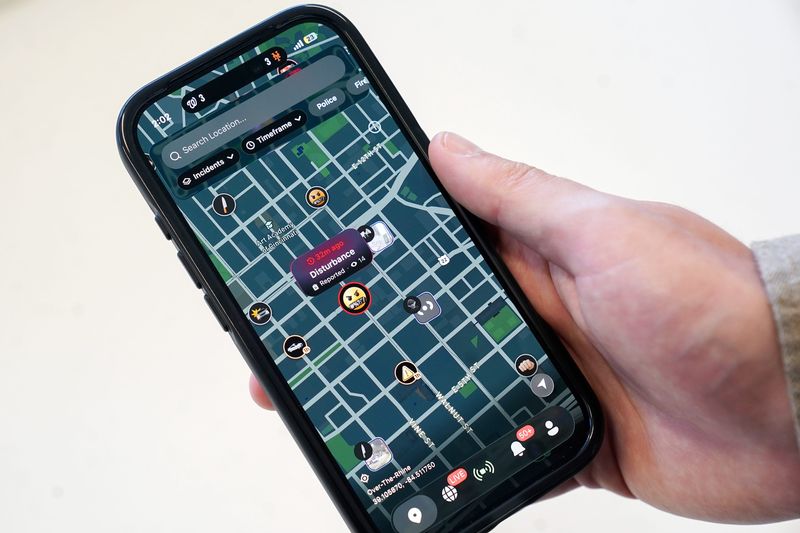
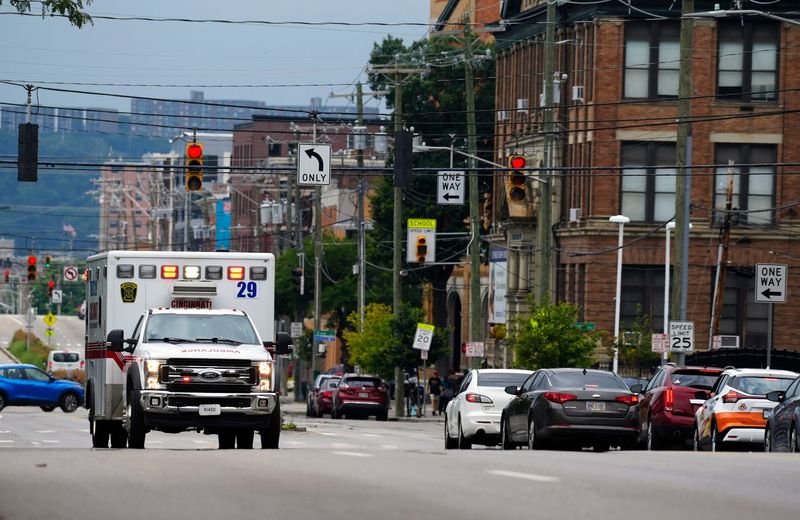
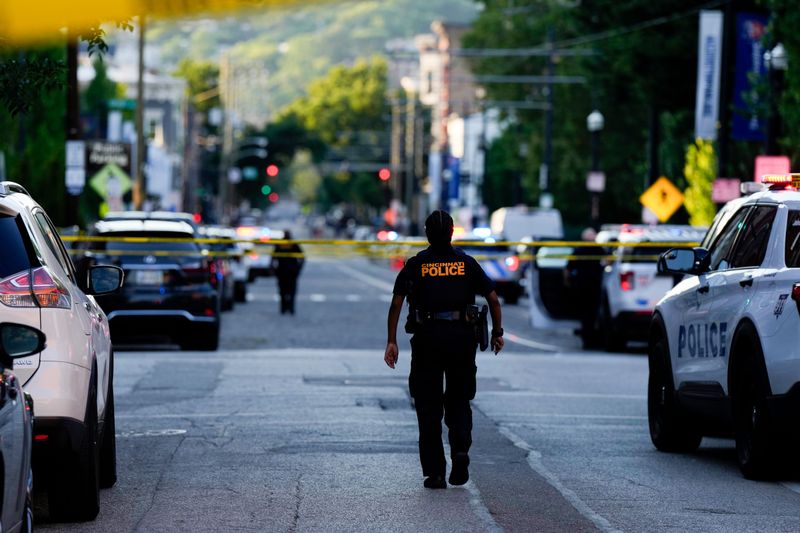
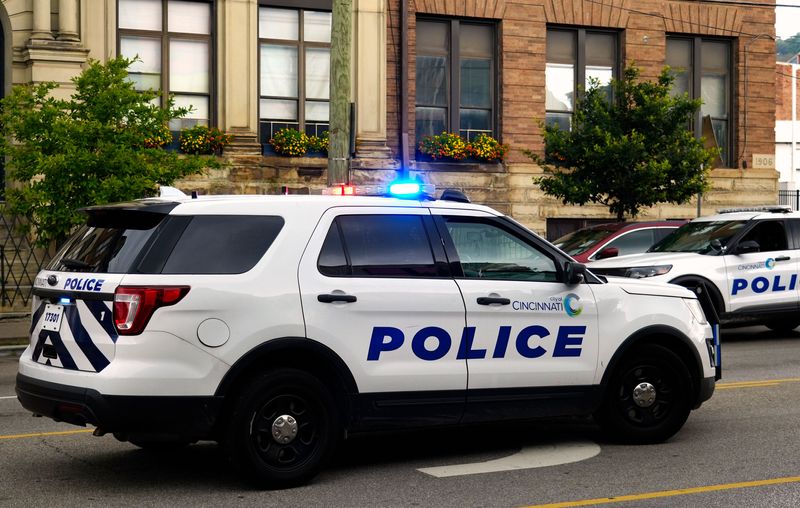
Hamilton County and Cincinnati officials are considering blocking access to police radio traffic, a decision that would limit what the public knows about police activity and disrupt apps such as Citizen and CrimeRadar.

Multiple police chiefs and officials confirmed to The Enquirer that talks are ongoing to flip the switch and encrypt dispatch radio traffic. The officials, who asked not to be named because the talks are ongoing, said the wide availability of apps that let people tune into police radio traffic without owning a scanner themselves poses a danger to police officers’ safety.
Historically, police, fire and emergency services have broadcast their communications over publicly available radio feeds that could be picked up using a specialized scanner radio. Hobbyists, along with journalists covering breaking news, listen in to police radio traffic to learn about emergencies as they’re unfolding.
In recent years, sites such as Broadcastify have enabled one person with a scanner radio to host their feed online, letting others listen in to the stream without owning a scanner themselves. Apps such as Citizen and CrimeRadar later popped up, using publicly available radio feeds to generate alerts about crime in the area.
No decision has been made, officials emphasized. However, choosing to encrypt radio traffic is an internal decision that would not require county or city legislative approval, they said, and is being driven by police chiefs within the Hamilton County Police Association.
Delhi Township Police Chief Jeff Braun, who serves as president of the association, said questions need to be answered about what might happen if radio traffic is encrypted. He declined to elaborate on plans and where conversations stand.
Cincinnati city spokeswoman Mollie Lair also declined to answer questions about the plans.
Civil rights and media advocates have expressed concern with departments nationwide encrypting radio traffic, saying it impedes the public’s ability to know what is going on in their communities and shields police activity from scrutiny.
Citizen, CrimeRadar apps use dispatch radio feeds
Citizen and CrimeRadar use publicly available police scanner feeds across the country to generate crime alerts, often using artificial intelligence in addition to human review. The apps’ users are then notified of police and emergency personnel’s activity in the area.
However, because most radio traffic is unconfirmed chatter between dispatch and first responders, the apps routinely alert people about incidents that never happened or misidentify locations. Officials have expressed concerns about criminals using the apps for real-time awareness of police activity, making it more difficult for officers to make arrests and posing a risk to officers’ safety.
Cincinnati police union president Ken Kober said scanners were a “huge problem” during the 2020 protests and riots after the killing of George Floyd. Officers also regularly run into issues when dealing with large crowds who have scanner or crime notification apps, he said
Lamenuel Scales, known online as Hood News 75, said he can understand police officers’ concerns but believes they are exaggerated. Scales regularly makes content online at crime scenes. He uses a scanner he purchased, which he said cost hundreds of dollars, instead of online feeds, which tend to have a delay.
“You’re not seeing drug dealers in the street with a scanner,” Scales said. “If the situation is putting officers in immediate danger, then absolutely, I get it. But right now, I get it, but I don’t.”
Encryption follows national trend
Cincinnati police and Hamilton County have encrypted some of their radio traffic – such as SWAT or tactical operations channels – for years but left dispatch radio traffic open for public listening. Most agencies across Ohio and the United States have followed a similar approach. Lately, there has been a national trend toward restricting access.
Clermont County officials proposed encrypting scanner traffic in 2001, The Cincinnati Post reported at the time. Officials echoed the same concerns as police now, saying scanners place police at risk during covert activities.
The Cincinnati chapter of the Society of Professional Journalists strongly protested the plan, expressing deep concerns with how closing off dispatch information would make police, fire and other emergency services much less accountable to the public. Weeks later, Clermont County officials shelved the plan and public safety radio traffic remains accessible today.
Scales said radio hobbyists have been hearing that more departments are making the move toward encrypting radio traffic, including in Hamilton County and Cincinnati.
In 2024, the NAACP called upon lawmakers nationwide to require police departments to provide delayed access to encrypted communications for the general public, ensuring transparency while addressing security concerns.
Other states, departments striking balance
While the trend nationwide is toward restricting radio traffic, some police departments are striking a balance between full encryption and complete access.
A small but growing number of agencies provide an official, department-run delayed feed of dispatch radio traffic, including in Baltimore, Louisville and Chicago. In Louisville, radio traffic is delayed by 15 minutes.
Dan Shelley, executive director of the Radio Television Digital News Association, told Enquirer’s sister paper, the Louisville Courier Journal, that the delay poses greater harm to public safety than the risks police are citing.
“I don’t know what good is served by delaying a police dispatch by 15 minutes,” Shelley said. “If there is a disaster or incident with real-time consequences, even a delay of 15 minutes could prevent the public from gaining information that is critical to their safety.”
San Francisco adopted a hybrid system in 2021, communicating some information over public radio channels and other information over encrypted channels, according to the Reporters Committee for Freedom of the Press.
That same year, Colorado’s state legislature passed a law requiring police agencies that fully encrypt radio communications to enact media access policies in consultations with local outlets.
Nonprofit independent news site Truthout later reported those policies were overbearing, making media sign access agreements that would require them to compensate police departments for any lawsuits stemming from the radio traffic. Other agreements require media outlets to pay thousands of dollars for decryption licenses, which also have significant insurance requirements.
Eric Franz, a retired Cincinnati police sergeant and former spokesman, said he is worried about criminals getting information that could put law enforcement at risk, but expressed concerns about how encryption would hurt news coverage in Cincinnati.
“If you open the door for one, you have to open the door for all,” Franz said. “How is good reporting going to happen without scanners?”
For Scales, he does not anticipate that the scanners going silent would stop him from telling people what’s going on in the community.
“I can still go downtown on a weekend and see what’s going on. You’ve got to be ahead of the game. It’s not going to slow me down,” Scales said. “If they’re upgrading, I’m upgrading.”
This article originally appeared on Cincinnati Enquirer: Police may limit public access to scanner traffic in Cincinnati
Reporting by David Ferrara, Cincinnati Enquirer / Cincinnati Enquirer
USA TODAY Network via Reuters Connect