Cincinnati appears poised to hire its fifth police chief since 2011, a level of leadership turnover policing experts say can undermine long‑term reform and destabilize departments.
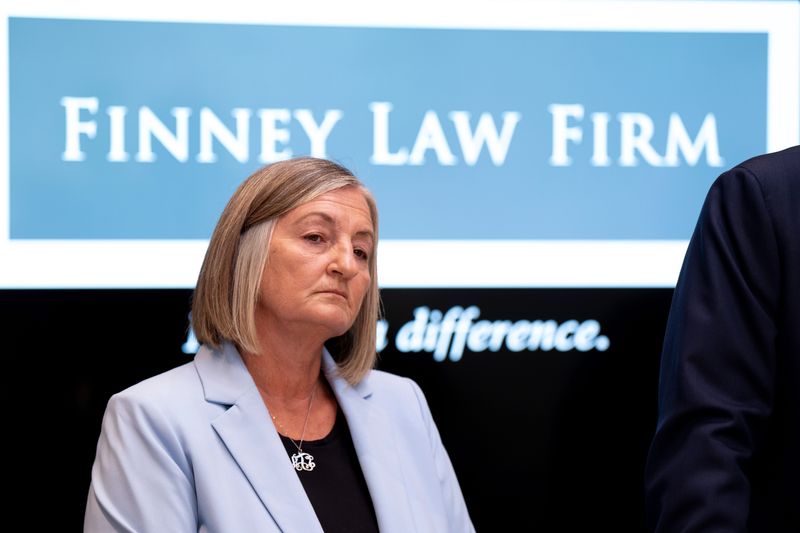
Two of the past four Cincinnati chiefs have been fired. Before former Chief Teresa Theetge was fired April 23 and before Chief Jeffrey Blackwell’s dismissal a decade earlier, Cincinnati had not fired a police chief in more than 100 years.

While Cincinnati’s churn stands out locally, it is not happening in isolation. Major cities across the Midwest, including Columbus, Indianapolis and Louisville, have also cycled through multiple chiefs over the past decade, reflecting a national shift toward shorter tenures at the top of police departments.
Still, Cincinnati’s recent turnover marks a sharp departure from its own history and has prompted renewed scrutiny of the city’s role in reducing crime and how it hires, manages and removes police chiefs.
A stark historical shift
From 1911 until Blackwell was fired in 2015, Cincinnati never removed a sitting police chief. One chief, Carl Goodin, resigned during that time. He faced an indictment in 1975 over informant payments but was cleared after a lengthy court battle.
The last firing before Blackwell occurred in 1910, when Chief Paul M. Millikan’s firing made national news. The New York Times cited his “failure to enforce midnight closing ordinances and anti-gambling laws,” though Enquirer archives offer little additional detail.
Since 2011, however, Cincinnati has had five chiefs or interim leaders, a pace that mirrors turnover elsewhere.
A national trend
Scott Mourtgos, an assistant professor in the Department of Criminology & Criminal Justice at the University of South Carolina who studies studies policing, said frequent turnover is becoming increasingly common.
He said in an interview with The Enquirer that in the past decade, the average tenure nationally for a police chief has gone from about six years to 2½ to three years. In Cincinnati from 1976 to 2011, the average tenure for a chief was eight years. Since then it’s been less than four.
Regional cities have also experienced significant churn since 2010:
William Woska, a policing researcher at Cabrillo College in California, wrote in 2011 that the high turnover rate was due to “political meddling.”
“When public safety is involved and these elected officials politicize decisions … and give the impression that they know more about policing than the police chief, it is not unusual that individuals look elsewhere for employment,” he wrote.
Mourtgos said politics plays an unavoidable role, noting “policing is political.” He said the flip side of the politics coin is accountability for the police chief and the police department.
“What’s the right balance?” he asked. “There needs to be accountability baked into the system. You need to be able to allow a chief to run the department.”
Governance questions resurface
Cincinnati police union president Ken Kober said Cincinnati’s turnover is tied to an ordinance passed by voters in 2001, called Issue 5, that removed civil service protection for the top managers in Cincinnati, including the police chief.
This paved the way for hiring chiefs from outside the department and allowed for the chiefs and about 100 other top city leaders to be more easily fired. Though under the city charter, after six months of employment, there must be just cause to fire these employees.
At the time, supporters of Issue 5 said Cincinnati’s city manager model of government would shield the chief from political whims. Now, following Theetge’s firing, her lawyers are arguing the exact opposite, saying Mayor Aftab Pureval threatened to fire City Manager Sheryl Long if the chief wasn’t ousted.
Kober said he now supports a charter amendment proposed by former City Councilman Christopher Smitherman that would put the power of hiring and firing a chief in the hands of city council instead of the city manager.
“Anybody that says right now that what we have is working is just foolish,” Kober said.
Kober, who has been a vocal supporter of Theetge, said her firing will end up costing the city money. He added that the current system will also make it harder to attract good candidates.
“Why would you want to come here? Do you want to be next?” he said. “That would be a real concern of anyone who was applying here.”
What affect does a chief really have on crime?
Some experts caution against overstating a chief’s direct impact on crime.
Mourtgos said that a police department using evidence-based tactics can reduce crime, but he said there is a lot of disagreement about how big that effect can be.
So how much impact can a police chief have?
“Can a chief who leads an organization in evidence-based tactics reduce crime? Yes,” “How much? That’s the question.”
Kober said the chief’s position is a “small piece of a pretty big puzzle.”
“If you want to have safe community, you have a police department that is allowed to do their job and a justice system that is willing to send people to jail or prison if need be,” Kober said.
Mourtgos and Kober both said that an effective police department needs strong leadership, and those leaders need time to learn and understand the problems they’re facing, then develop the tools to address those problems.
A different model?
One alternative, Mourtgos said, would be fixed‑term contracts.
Columbus, for example, hires its police chief for a five-year term, with an option to renew the contract for another five years. Cincinnati’s chiefs serve under indefinite contracts.
Mourtgos is an advocate for limited term contracts, which include a “parachute,” meaning that the chief can be removed, but the city will pay the remainder of the contract.
He said there should be accountability for the chief, but there should be accountability for those making the appointments in the first place. He said the additional protection could allow chiefs to “make decisions in a more honest way.”
The Cincinnati Police Department is currently led by interim Chief Adam Hennie, but city officials have not said when a permanent replacement will be selected.
The city’s last search was lengthy. Before hiring Theetge, Cincinnati spent about 18 months on the process, which included multiple community forums and a national search conducted by an outside firm. As of April 29, the city had not signed a contract with search firm for the next chief.
This article originally appeared on Cincinnati Enquirer: Why Cincinnati, and other cities, keep losing police chiefs
Reporting by Cameron Knight, Cincinnati Enquirer / Cincinnati Enquirer
USA TODAY Network via Reuters Connect