On April 28, the Florida Legislature will convene for a Special Legislative Session on congressional redistricting. The purpose of mid-decade redistricting is to adjust the lines of electoral district boundaries in a way that ensures each district has equal voting power and complies with court rulings. Redistricting does not change the number of federal or state level representatives, only which voters vote for each seat.
Pursuant to §11.031, Florida Statutes (2025), “all acts of the Florida Legislature based upon population and all constitutional apportionments shall be based upon the last federal decennial statewide census.”

This statutory language is very clear. The decennial census, and the decennial census alone, is the basis of all legislative acts of apportionment. Unfortunately, Florida’s census data does not reflect its population.
In 2020, Florida was one of six states with a statistically significant census undercount. Florida’s census count missed 3.48 percent of its population, leaving an estimated 750,000 Floridians uncounted. The census undercount obscures efforts to properly draw districts, and worse still, lost the state at least one congressional seat and electoral vote.
During Special Session, state policymakers can work to divide Floridians more fairly among voting districts, but Floridians will not receive their fair share of national representation until apportionment, the process by which the federal government divides a fixed number of congressional seats among the states. Typically, apportionment only occurs once per decade, using the latest decennial census data.
As one of the fastest growing states in the nation, Florida is already at a disadvantage. Its share of national representation is increasingly divided among a growing number of constituents until the next apportionment. While an accurate census count cannot stop the dilution of representation throughout the decade, it does ensure the state does not start behind.
Unlike apportionment, redistricting is within the state’s control, and policymakers should work in good faith to provide fair representation to all Floridians. The shortcomings of existing census data, however, will be hard to overcome.
The U.S. Constitution requires an “enumeration” of the U.S. population for apportionment but does not specify a dataset required for redistricting. Only once has a state tried to use population estimates in lieu of the census count, and it did not survive legal challenges. Even when conducting mid-decade redistricting, Texas and California used the most recent census count rather than current population estimates.
Although alternative datasets have not successfully replaced census data, states have used alternative datasets to make data adjustments. Several states use prison records to count inmates at their last known residence rather than the location of the prison. In Hawaii, non-permanent residents are removed from the redistricting process.
Florida lawmakers could argue its census undercount warrants similar data adjustments, but other existing data sources have limitations. The Post Enumeration Survey identifies the statewide error rate of the 2020 Census, but it does not provide census tract level insight. Florida demographers develop county population estimates each year, but they use decennial census data as key variables within calculations.
This absence of data alternatives emphasizes the importance of the decennial census. The census remains a critical tool for protecting the sanctity of our representative democracy.
The next census may be four years away but important preparatory milestones start as early as next year. When state lawmakers convene this month, they should resolve the issues with the current map as best they can and expand their work to safeguard against the threat of a future census undercount. In doing so, they would be laying out the groundwork for better representation in the decade to come.
The Florida TaxWatch Census Institute delivers data-driven analysis of the 2020 Census undercount to ensure every Floridian is accurately counted and represented in 2030. Each year, the Florida TaxWatch Census Institute recognizes Census Day (April 1) to encourage state lawmakers and community stakeholders to start planning for the upcoming 2030 Census.
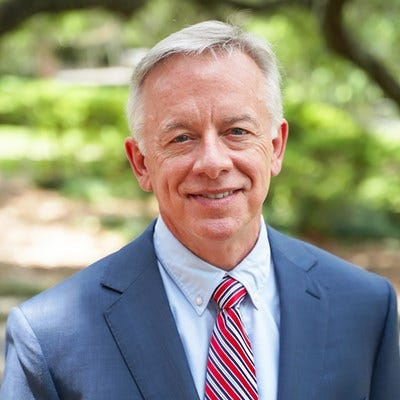
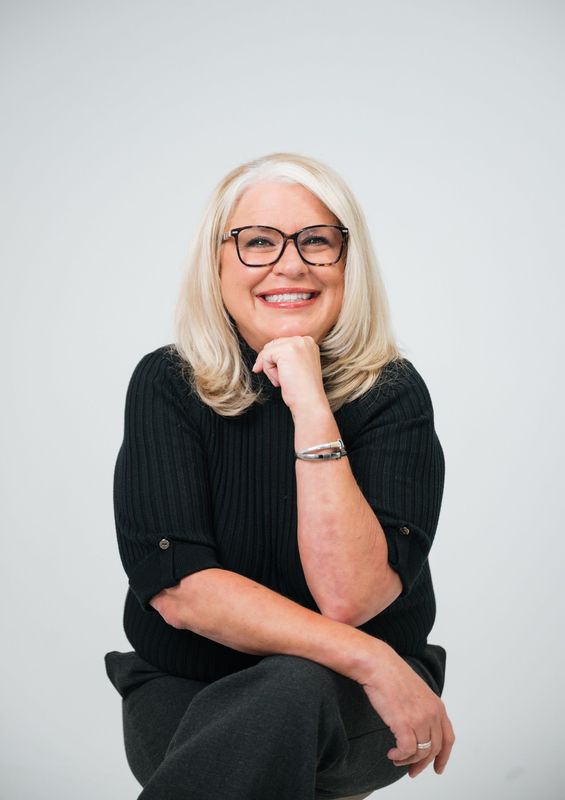
Former Lt. Governor Jeff Kottkamp is president and CEO, Florida TaxWatch, and Carolyn Nolte is president and CEO, Florida Press Association.
This article originally appeared on Fort Myers News-Press: Florida’s census data does not reflect its population | Opinion
Reporting by Jeff Kottkamp and Carolyn Nolte / Fort Myers News-Press
USA TODAY Network via Reuters Connect