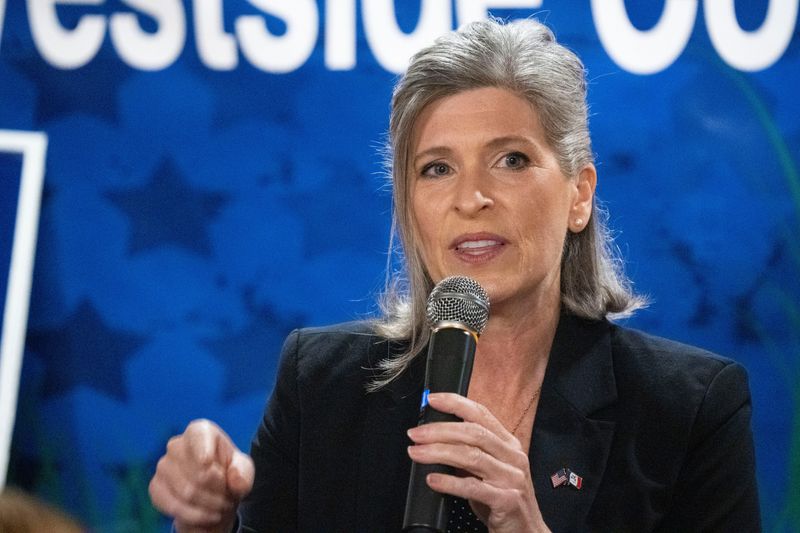
Sen. Joni Ernst’s decision not to run for reelection in 2026 creates the first real opening in Iowa’s Senate politics in more than a decade. It’s a once-in-a-generation chance for Democrats to reclaim a seat — but if history is any guide, they can find a way to squander it.
Time and again, Democrats have turned winnable races into uphill climbs by nominating candidates who sound more like national activists than pragmatic Iowans. Instead of focusing on the everyday concerns of working families — jobs, health care, and the cost of living — the party too often prioritizes rhetoric about identity and symbolic gestures that energize the base but alienate swing voters.

The Democratic National Committee’s own behavior shows the problem. Its winter meeting in Washington was a missed opportunity to reset after a disappointing 2024. Its summer meeting in Minneapolis doubled down on the same instincts — opening with a land acknowledgement, centering identity debates, and offering little to reassure voters in Sioux City, Ottumwa, or Council Bluffs that Democrats are serious about their economic anxieties.
Iowa has a long tradition of electing practical leaders — Tom Harkin, Terry Branstad, Tom Vilsack, Jim Leach — who were less concerned with ideology than with getting results. Ernst’s retirement offers Democrats the chance to return to that tradition. But if they insist on nominating another candidate who preaches to the social justice crowd instead of persuading independents and moderates, the party risks handing Iowa to an even more extreme MAGA Republican.
And that raises a larger question: What happens if Democrats can’t get it right?
Other states have already shown one answer. In Nebraska, independent Dan Osborn is mounting his second credible Senate run, after coming within just a few points of upsetting an incumbent GOP senator in 2024. In Maine, Graham Platner, nominally running as a Democrat, is gaining traction as an independent voice outside the party structures. In both cases, voters are showing a hunger for leaders who put people above partisanship.
If Democrats cannot field a moderate, pluralist candidate who speaks to the broad middle of Iowa, then maybe Iowans will have to consider a new path — an independent candidacy committed to pluralism, pragmatism and the values we share across party lines. That’s not centrism for its own sake. It’s the recognition that most Iowans want leaders who will protect Social Security, lower prescription drug costs, keep family farms viable, and restore civility to Washington.
Pluralism means building coalitions across divides, not policing identities or scoring points online. If Democrats don’t recognize that truth soon, they will leave Iowans little choice but to look outside the two-party system for leadership that does.
Iowa deserves a real contest of ideas in 2026. If the Democrats can’t offer one, independents may have to.
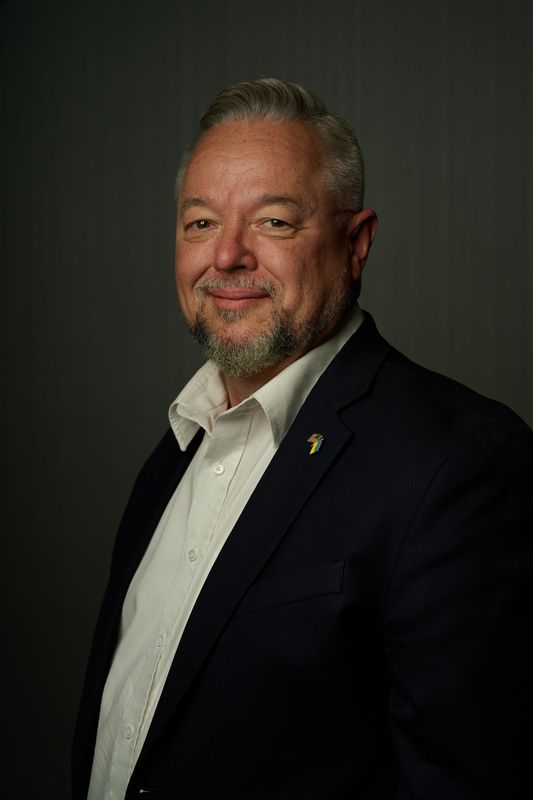
Mike Michener is a native Iowan, a veteran, and the founder of the American Pluralist Alliance. He previously served as Deputy Assistant Administrator of USAID’s Bureau for Resilience and Food Security and Administrator of USDA’s Foreign Agricultural Service.
This article originally appeared on Des Moines Register: If Democrats flail, Iowa should consider an independent to replace Joni Ernst | Opinion
Reporting by Mike Michener / Des Moines Register
USA TODAY Network via Reuters Connect