“Don’t report me to the administration.” The professor’s joking tone couldn’t mask the unease that followed.
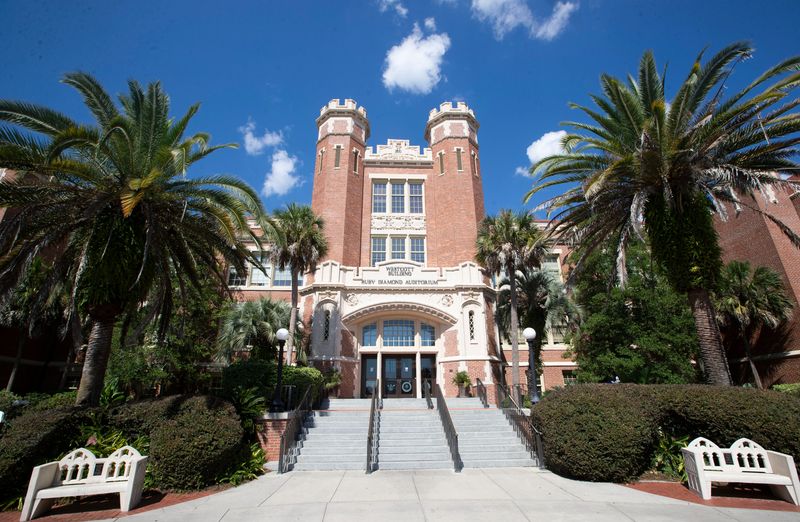
I didn’t want to believe what I was seeing at Florida State University (FSU): professors afraid, truths avoided, political reality suppressed. I told myself I was imagining it—until it was directly confirmed.

Classrooms once meant for fearless inquiry now have professors self-censoring, students hesitating, and truth quietly rewritten. This is not just discomfort. It is a slow, state-driven suffocation of academic freedom.
I had transferred from Bridgewater State University in Massachusetts, where open debate thrived—to join FSU’s prestigious political science program. I never imagined I would find scholars afraid to acknowledge basic truths.
At first, I doubted my perceptions and tried to rationalize the signs of self-censorship. Maybe professors were softening their language to avoid alienating conservative students. Maybe they were just being cautious. But as the patterns continued, the omissions and contradictions became impossible to ignore.
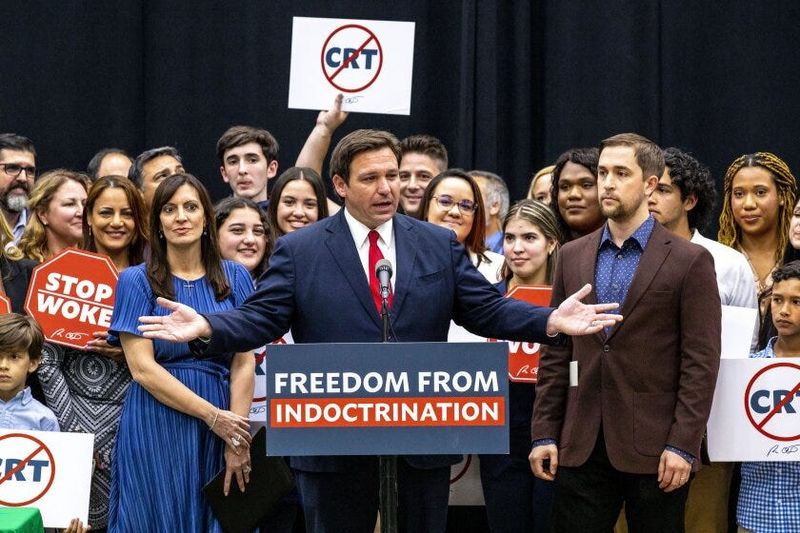
The chilling effect stems from legislation designed to silence dissent, like the Stop WOKE Act prohibiting suggestions of privilege or oppression based on identity. Though a judge blocked parts of it in higher education, the shadow remains.
Faculty behave as if under constant surveillance—because they might be.
As FSU professor and journalist Diane Roberts has warned, Florida’s universities are “under siege from right-wing ideologues,” and fear now governs the classroom.
In a human rights course, the professor avoided directly criticizing President Trump’s presidency as a threat to rights. In a class on regime transitions, a decade-old chart labeling the U.S. a “full democracy” was acknowledged as outdated without noting we live in a backsliding democracy.
In one class, I noted Republican policies are overwhelmingly anti-refugee. The professor asked, “Why would you say that?” I cited evidence. He conceded— but still warned, “Not all Republicans.” Facts alone weren’t enough.
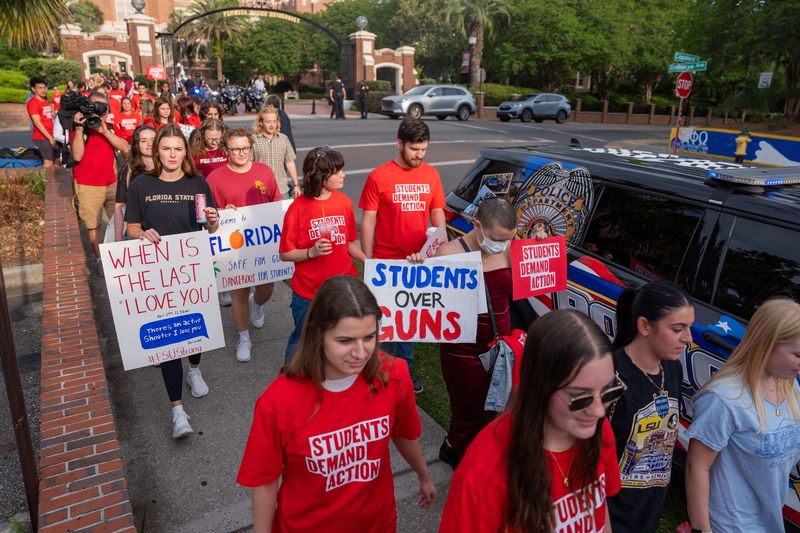
After a mass shooting on our campus, a student asked about America’s gun problem. The professor suggested public opposition was to blame. I noted most Americans support reforms, and the real barrier is the gun lobby.
“I was getting to that,” the professor said, face flushing—then spoke tangentially.
His extended response sidestepped the role of lobbying and money in politics — key factors other experts have called essential to understanding U.S. democracy. It felt like deliberate avoidance, buried in wordiness.
One professor voiced what had remained unspoken: “I want you to think about this again. I’m assuming this is a safe place — and recognize that faculty themselves have fear in discussing these issues. That is an infringement of my civil liberty, because I’m supposed to have academic freedom.”
In private, faculty confirmed they now adjust syllabi, skip topics, and soften conclusions — not to improve pedagogy, but to avoid backlash. Even tenured professors no longer feel protected. They explained that tenure is reviewed every four years, which is always on their mind. The overall fear described by one professor was being reported by right-wing students for simply teaching mainstream political science.
I reached out to FSU’s leadership to discuss these patterns. A public relations official asked where the column would be published. No comment was received when I responded vaguely. That silence is not neutral. It is active complicity.
Florida is backsliding into soft authoritarianism. There’s no overt repression, just fear in the classroom, silence instead of inquiry, and truth avoided.
If we allow Florida’s model of classroom censorship to take root, we won’t just lose academic freedom. We’ll forfeit our agency to save this crumbling democracy.
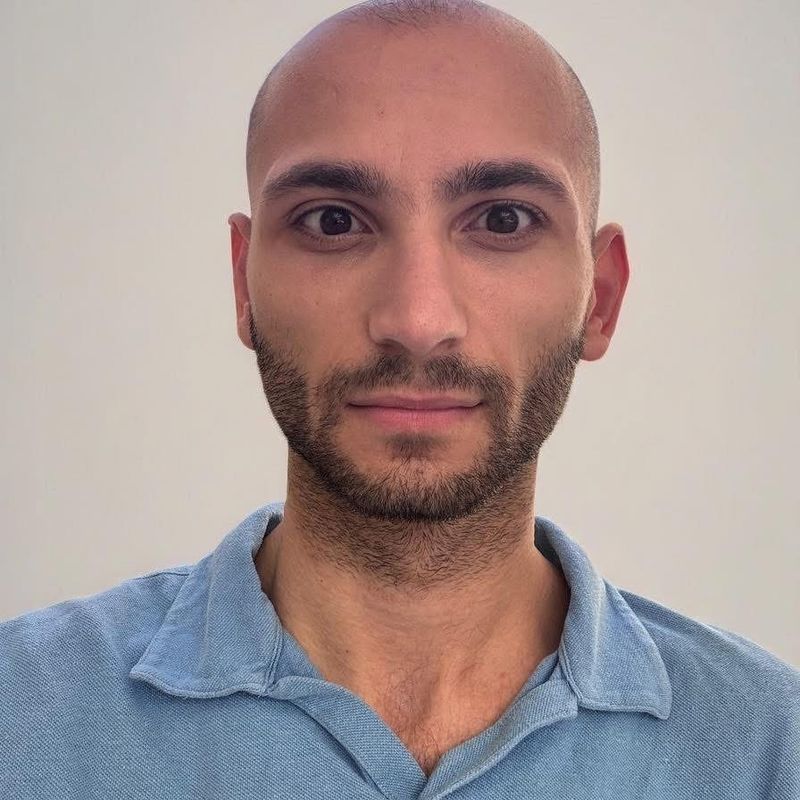
Frank Faiola is a transfer student and political science major at Florida State University. He is also a democracy advocate focused on academic freedom and institutional integrity.
JOIN THE CONVERSATION
Send letters to the editor (up to 200 words) or Your Turn columns (about 500 words) to letters@tallahassee.com. Please include your address for verification purposes only, and if you send a Your Turn, also include a photo and 1-2 line bio of yourself. You can also submit anonymous Zing!s at Tallahassee.com/Zing. Submissions are published on a space-available basis. All submissions may be edited for content, clarity and length, and may also be published by any part of the USA TODAY NETWORK.
This article originally appeared on Tallahassee Democrat: Silence in the classroom, fear in the faculty: How academic freedom dies at FSU | Opinion
Reporting by Frank Faiola / Tallahassee Democrat
USA TODAY Network via Reuters Connect