Nov. 1 marks the first day of the pause on all FoodShare benefits for Wisconsinites.
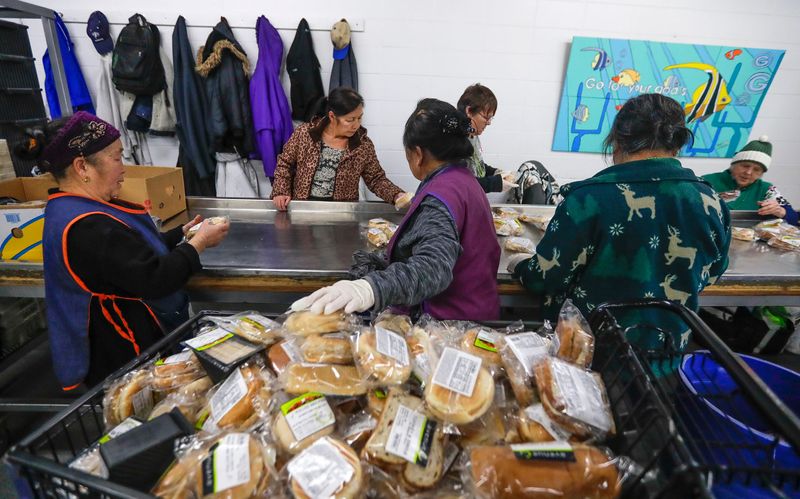
That means the 27,000 residents in Brown County who rely on FoodShare benefits will have to scramble to find food this month. Area food pantries are asking for help to stock their shelves to accommodate the influx of residents coming in because of the pause of FoodShare and holidays.

During the U.S. government shutdown, funding for the federal Supplement Nutrition Assistance Program expired and the U.S. Department of Agriculture announced it would not use contingency funds to cover the program in November.
Wisconsin joined a multi-state lawsuit against the USDA to force the department to release its contingency funding. The USDA previously said $3 billion worth of contingency funding could be used for administrative costs and benefit payments in the event of a shutdown. But on Oct. 24, the agency issued a new memo saying funding cannot legally be used for such purposes.
On Oct. 31, two federal judges rejected the argument that contingency funding couldn’t be used. Both judges gave the government until Nov. 3 to report to respond.
While the FoodShare delays continue, here is where you can donate food and money and how you can volunteer in other ways in the Green Bay area.
This story will be updated with more resources as they become available.
Cash can do more than donating food items
While food pantries are still accepting food items, they’re prioritizing monetary donations because they go a longer way than food. With the money, pantries can purchase items wholesale and get food in bulk. So instead of making a trip to the grocery store to grab a couple cans of food, donate the money you were going to use directly to the pantry.
“What’s needed most right now are financial contributions and volunteers,” said Selena Darrow, founder and executive director of Rooted In Inc., a Green Bay nonprofit that works toward a future where “all people are nourished.”
Adopt a food pantry
The Brown County Hunger Coalition is asking residents and area businesses to “adopt a food pantry” to help neighborhoods with the most need.
With at least 18 pantries in the City of Green Bay, there are plenty of pantries to support.
“This isn’t just about a single month — it’s about building a sustainable, community-driven food system that ensures no one goes hungry,” the hunger coalition said in a Facebook post.
What food can I donate?
The hunger coalition is asking for a variety of produce and meat since they are in high demand. Items include:
“Food pantries don’t need more mac and cheese. They don’t need more ramen,” Darrow said. “The things that our food pantries need are meat, produce, dairy and eggs. Those are the first things that my guests take with them.”
The Salvation Army of Greater Green Bay said it’s looking for the following:
Where can I donate in Brown County?
Whether it be food, cash, or other household items, you can drop them off directly at the food pantry.
The Press-Gazette has a list of food pantries in Brown County with each pantry’s contact information and street address.
Volunteer at an area pantry
Many pantries will be looking for more help with the influx of visitors. Call your neighborhood pantry or contact Feeding America Eastern Wisconsin to see how you can help. Call the pantry to see what you can help with.
At Feeding America Eastern Wisconsin, volunteers can help package food donations, check food quality, or sort products for families. Shifts are available at its Appleton campus from 8:30-11 a.m. or 12:30-3 p.m. Monday through Thursday, or 8:30-11 a.m. Fridays. More information and volunteer opportunities are at https://feedingamericawi.org/get-involved/volunteer/.
Donate Wisconsin-harvested deer to Paul’s Pantry
The Wisconsin Department of Natural Resources allows hunters to donate deer harvested in Wisconsin to food pantries through its Deer Donation Program. Deer harvested outside of the state are not accepted.
In Brown County, Paul’s Pantry accepts donations of deer through the state DNR’s program. Here is what to do if you would like to donate a Wisconsin-harvested deer:
Have leftovers from catering? Does your restaurant have extra food? Don’t let it go to waste.
Rooted In Inc. partners with organizations, restaurants, and grocery stores in greater Green Bay to rescue food before it goes to waste. Call Rooted In to schedule a pickup time for the food.
“There is so much food that goes to waste across this country and it is my privilege to recover food from going to waste as a mechanism to fight food insecurity,” Darrow said.
Rooted In donates the food it picks up to a local pantry or community fridge. Fill out a form to donate the food on Rooted In’s website at https://rootedininc.org/the-glean-team/.
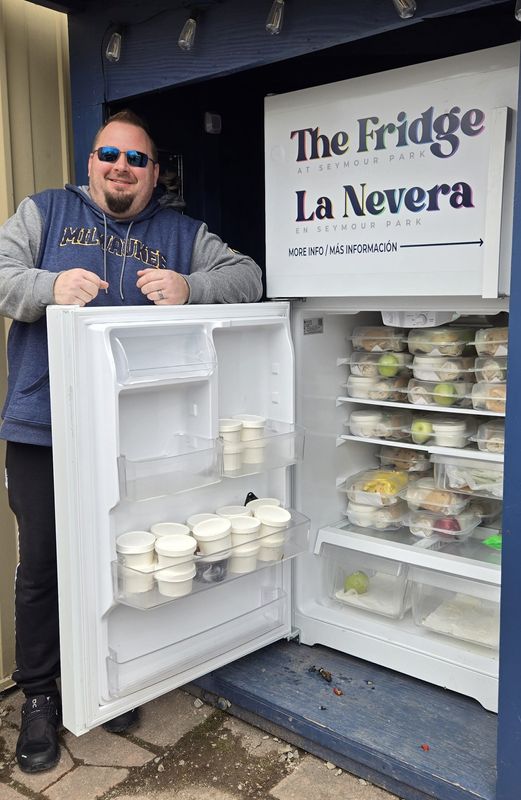
Perishable items can also be dropped off 24/7 at one of the city’s two community fridges at Joannes Park, 315 S. Baird St., or Seymour Park, 520 S. Oakland Ave.
“If you work at a grocery store, ask your leadership team there if they’re already donating it. If you work at a Kwik Trip, where is that food going? Ask if you can take it,” said Alyssa Proffitt, former co-president of the Joannes Park Neighborhood Association and helps manage the community fridges.
Anna Kleiber of the Milwaukee Journal Sentinel contributed to this story.
Contact Benita Mathew at bmathew@gannett.com.
This article originally appeared on Green Bay Press-Gazette: With FoodShare delays, here’s how you can donate food, volunteer at pantries in Green Bay area
Reporting by Benita Mathew, Green Bay Press-Gazette / Green Bay Press-Gazette
USA TODAY Network via Reuters Connect