Believe it or not, election season is back in Wisconsin, starting with a spring primary Feb. 17.
It’s the first of four elections in Wisconsin in 2026. Spring elections in February and April are for nonpartisan races. Fall elections in August and November are for partisan ones, including governor and members of Congress.

Not all voters will go to the polls for the February primary. That’s because no statewide office has more than two candidates running.
But depending on where you live, there might be multiple candidates running for local positions like city alders, county supervisors, school board members, judges and more.
The easiest way to check if you vote in the February primary is by entering your address into myvote.wi.gov’s “What’s On My Ballot” feature. Sample ballots should be ready by Jan. 27.
Here are ways to prepare for the February election, plus other voting dates in Wisconsin this year:
How do I register to vote in Wisconsin?
There are a few ways to register to vote in Wisconsin. You can check if you’re registered, or update your name or address, at myvote.wi.gov.
Regardless of how you register, you’ll need to provide a proof of residence document that shows your current address. That could be a copy of your lease, a utility bill or bank statement, for example.
A full list is available here.
How do I get an absentee ballot in Wisconsin?
You can request an absentee ballot online at myvote.wi.gov. There’s an option to receive absentee ballots for all elections in the calendar year. You’ll be asked to upload a photo ID.
You can also request an absentee ballot by filling out a form and mailing or emailing it to your local clerk.
For most voters, the deadline to request an absentee ballot is Feb. 12 at 5 p.m., but clerks advise mailing back your ballot at least a week before the election, so try to request one earlier than that.
When can I vote early in Wisconsin?
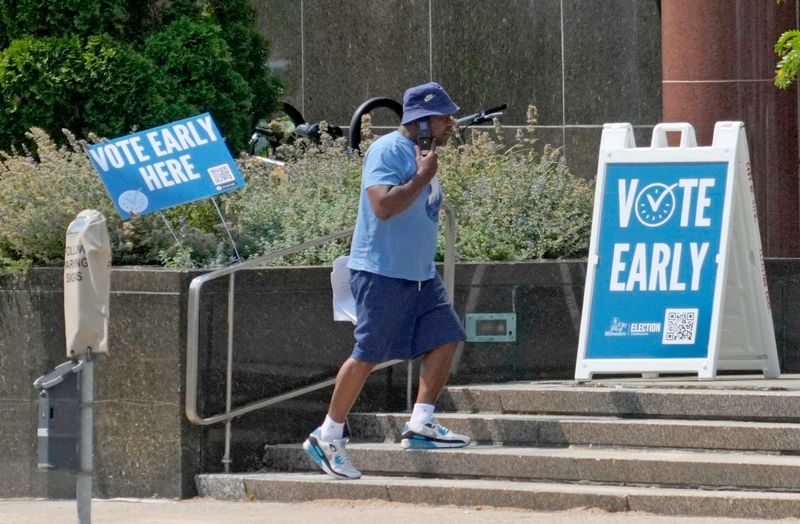
If you can’t make it to the polls on Election Day or just want to get it done early, you can check if your community offers early voting.
Early voting involves going to your clerk’s office, a library or other community building to cast an absentee ballot in-person. Each city, town or village clerk sets their own hours and locations, so check their website or myvote.wi.gov.
The window for early voting in the spring primary is Feb. 3 to 15.
What photo IDs can I use for voting in Wisconsin?
Whether you’re voting early or at the polls on Election Day, make sure to bring a valid photo ID. Those include:
Candidate guides for Wisconsin spring elections
Here’s a list of candidate guides published by the Milwaukee Journal Sentinel:
When does Wisconsin vote this year, and when are the midterms?
You may hear the fall elections called the “midterms,” since it’s in the middle of President Donald Trump’s term and will determine control of Congress. All of Wisconsin’s House seats are on the ballot, but neither Sen. Ron Johnson nor Sen. Tammy Baldwin is up for reelection in 2026.
A full list of election dates and important voting deadlines can be found on the Wisconsin Elections Commission’s website.
Hope Karnopp can be reached at HKarnopp@gannett.com.
This article originally appeared on Milwaukee Journal Sentinel: Wisconsin primary election is Feb. 17; how to register, vote early
Reporting by Hope Karnopp, Milwaukee Journal Sentinel / Milwaukee Journal Sentinel
USA TODAY Network via Reuters Connect