Milwaukee area residents impacted by the historic early August flooding will soon be able to seek direct assistance at two new Disaster Recovery Centers opening in Milwaukee and Wauwatosa on Sept. 24.
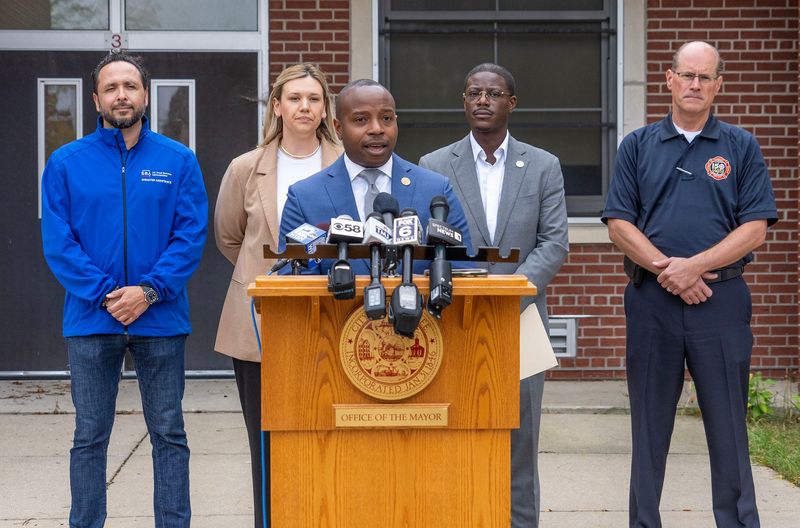
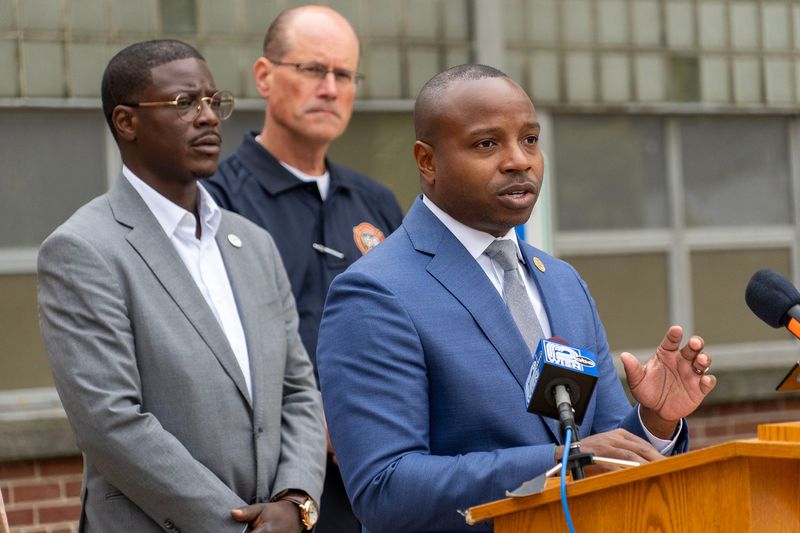
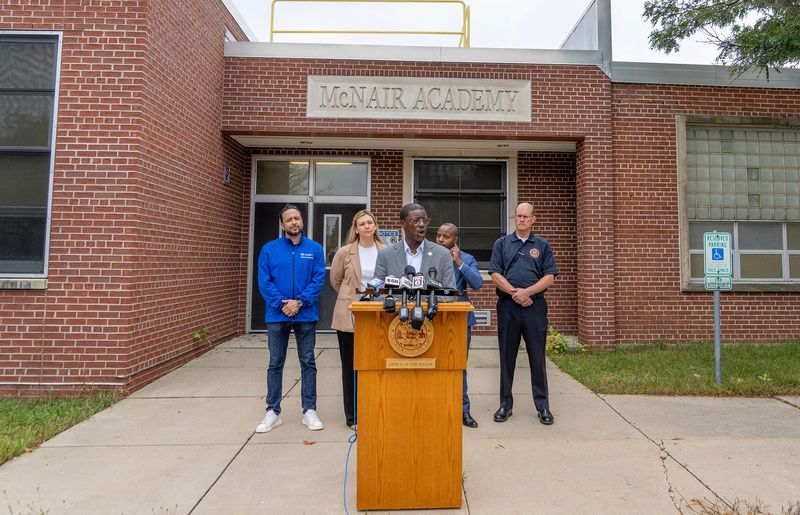
The two new centers will be located in some of the hardest hit areas in the county: McNair Elementary School, 4950 N. 24th Street, on Milwaukee’s northwest side, and at Wauwatosa City Hall, 7725 W. North Avenue, Mayor Cavalier Johnson and County Executive David Crowley announced at a Sept. 23 press conference outside of McNair.

At the centers, residents and business owners who saw property damage from the Aug. 9 and 10 flooding will be able to connect with resources and obtain help navigating the Federal Emergency Management Agency process for obtaining compensation, officials said.
“Applying for federal assistance can feel overwhelming,” Milwaukee County Executive David Crowley said. “But no one has to navigate the process alone.”
FEMA works with local governments around the country to open these centers in the aftermath of natural disasters, the agency says on its website.
The deadline for individual assistance applications is Nov. 12.
Neighboring counties affected by the flooding also have Disaster Recovery Center locations, FEMA officials said
On Sept. 11, President Donald Trump approved sending federal funding to Wisconsin to help homeowners and local officials recover.
Damage assessments across the county found that the flooding destroyed more than $52 million in infrastructure and entirely destroyed or majorly damaged over 1,800 homes, according to Aug. 29 estimates from the county’s Office of Emergency Management.
Neighboring counties also saw damage, including, Washington County, which saw major damage or destruction to 1,500 homes. Much of this damage was concentrated in northwest Milwaukee and in multiple municipalities around the city of Milwaukee, including West Allis, Bayside, Brown Deer, Glendale and Wauwatosa.
Here’s what you need to know about the Disaster Recovery Centers:
What can I get help with at Milwaukee’s disaster recovery center?
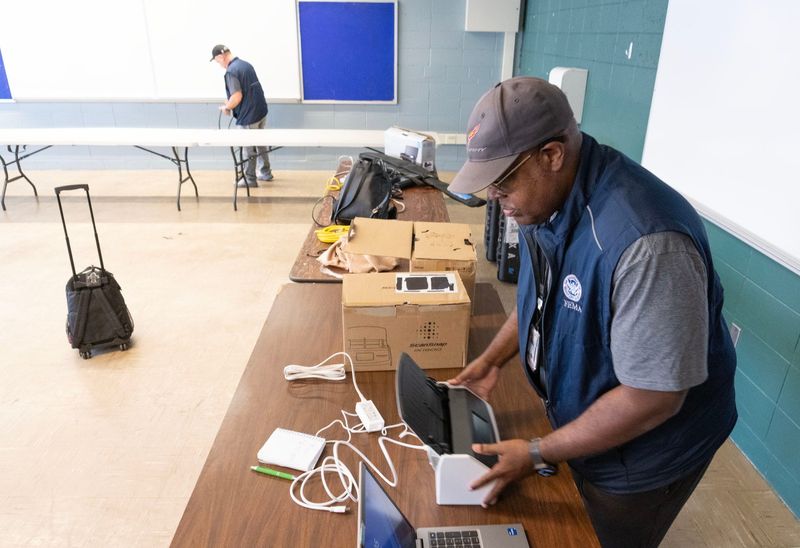
Disaster recovery centers are a physical locations where people affected by flooding can apply for FEMA assistance and ask questions about their cases, especially those who have uninsured losses or emergency needs, according to county officials
Residents can visit in person to speak with representatives from the county, state and federal agencies, such as FEMA and the Small Business Administration.
At the centers, people may seek help with the following: applying or checking the status of applications for individual assistance, uploading documents, learning about the appeals process and other disaster assistance programs, understanding letters received from FEMA, finding housing and rental assistance information, getting answers to questions or resolving problems, getting referrals to agencies that may offer other assistance and learning about Small Business Administration programs.
The Small Business Administration fills the gaps for business owners for anything insurance and FEMA doesn’t cover and offers interest-free loans that require no payments for the first 12 months, a representative of the agency, Rick Corrales, said.
Visiting these centers is not required for receiving FEMA assistance, and the fastest way to apply is online at DisasterAssistance.gov or by phone at 800-621-3362, especially if transportation is a barrier to visiting one of these centers, according to county officials.
Where are the Disaster Recovery Centers, and when will they be open?
The two Milwaukee area centers will be located at the shuttered McNair Elementary School, 4950 N. 24th Street, on tMilwaukee’s northwest side, and at Wauwatosa City Hall, 7725 W. North Avenue.
Both centers will be open from 9 a.m. to 7 p.m. Monday through Thursday and from 9a.m. to 5 p.m. on Fridays and Saturdays. They will be closed on Sundays.
It is not known yet how long these centers will be open, and FEMA officials said that is something the county would eventually decide.
Of note, the Wauwatosa center will close on Oct. 10 and be moved to a new location to be announced at a later date, according to county officials.
There is also a Disaster Recovery Center at Butler Village Hall in Waukesha County, open every day from 9 a.m. to 7 p.m., and at the Washington County Public Agency Center, 333 E. Washington St., West Bend, open from 7 a.m. to 4:30 p.m. on weekdays, according to FEMA’s Disaster Recovery Center locator.
What should I know when showing up to the Disaster Recovery Centers?
The centers will be open for walk in visitors, and no appointments are needed, according to FEMA officials.
In you’re planning on visiting the center, make sure to show up with any documents that will help you achieve your goal.
FEMA representative Nicole Wilson recommended bringing any of the following, depending on your situation: pictures of the damage, identification, Social Security numbers, banking information, insurance documents, rental and lease agreements and any letters already received from FEMA.
The length of time it takes to hear back from FEMA depends on the specific of each case, Wilson said.
“The most important thing is, FEMA needs to hear your story. Everybody’s story is going to be different. Everybody’s level of damage is going to be different. FEMA needs to know how the storm impacted you,” Wilson said.
Johnson reported that several people in the area have already been able to recieve some compensation for losses.
What did officials have to say?
City and county officials all applauded the collaborative efforts of the countless entities that came together to make these centers a reality, including the first responders, municipal and county fire departments, police, public works departments, neighborhood services, health departments, emergency management teams and all the partner agencies that have worked tirelessly over the past several weeks.
They also thanked Milwaukee Public Schools officials, including Superintendent Brenda Cassellius and Board President Missy Zombor, for offering space for emergency housing and disaster recovery.
At the Sept. 23 press conference, Zombor said the board believes “public spaces should be used for the public good, and in times of crisis, that means opening our doors to serve our neighbors.”
Milwaukee Fire Chief Aaron Lipski said the level of collaboration amongst local, state and federal entities was “revitalizing” and much more coordinated than in previous crises he’s worked through, including the last major flooding event in 2010.
“It has been a joy to just watch people come to the table and say, ‘What can we offer? How can we help?,'” Lipski said.
“Somebody said once, long ago, that the scariest thing in the world is when the government shows up on your porch and says, ‘we’re here to help,'” he said. “Well, we are here to help, and this is real. Please, please, please come and visit this site if you have any needs whatsoever.”
Contact Claudia Levens at clevens@gannett.com. Follow her on X at @levensc13.
This article originally appeared on Milwaukee Journal Sentinel: Milwaukee-area disaster recovery centers are opening. Here’s how they can help navigate flood damage
Reporting by Claudia Levens, Milwaukee Journal Sentinel / Milwaukee Journal Sentinel
USA TODAY Network via Reuters Connect