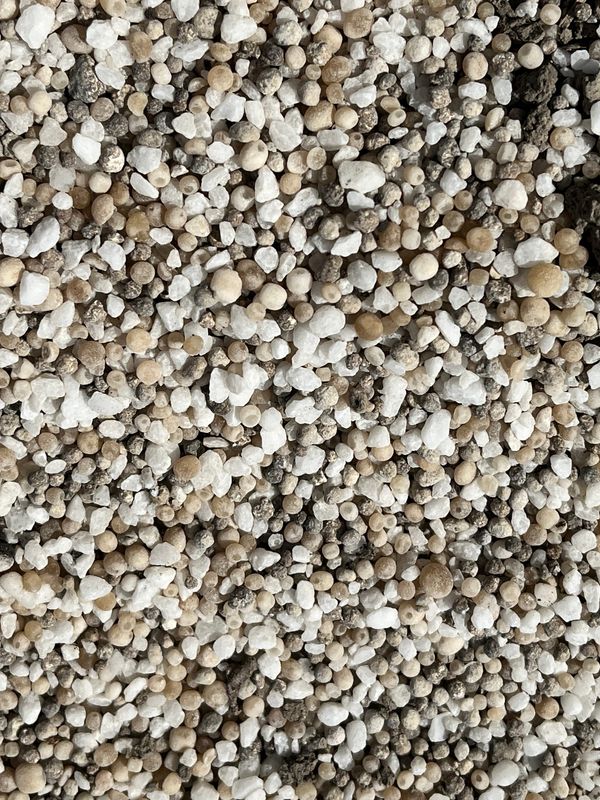
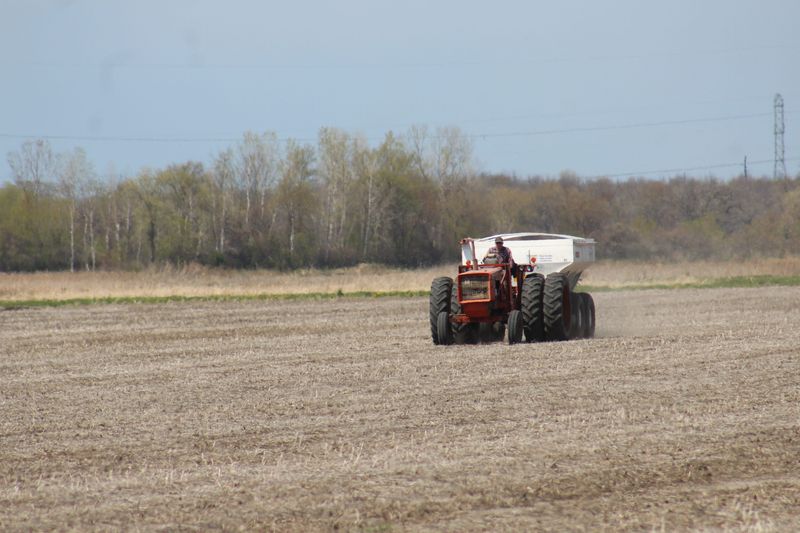
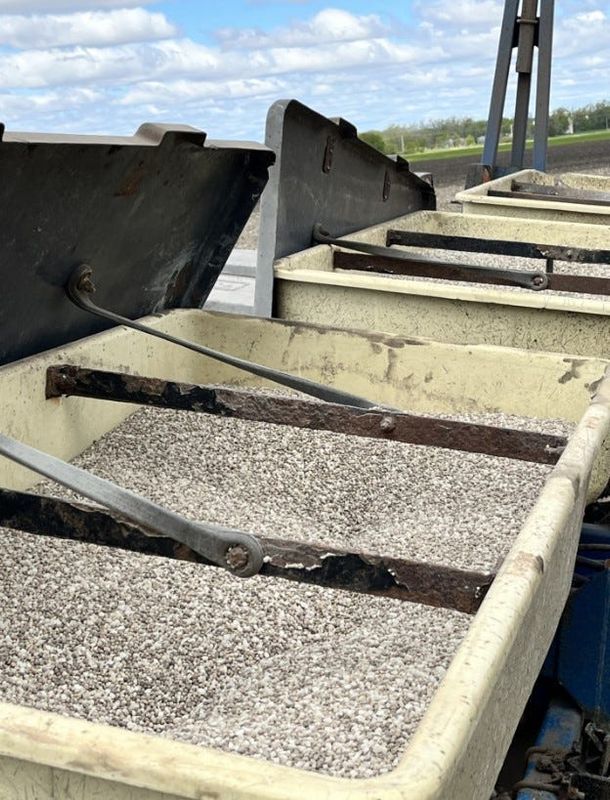
With no resolution of the Iran war or opening of the Strait of Hormuz in sight, fertilizer shortages – and higher prices – are becoming critical for farmers about to put in their crops. Many commercial fertilizer products come from the Persian Gulf region and must transit through the Strait but have been stuck there since Iran blockaded the ocean trade route.

Several organizations have looked for solutions and pointed out that the problem is intensified by concentration in the fertilizer industry – too few companies or interests controlling the flow of a critical product. A highly concentrated fertilizer market allows global disruptions to translate into rapid, outsized and sustained price increases. Four firms control over 80% of nitrogen production and just two companies control over 90% of phosphate and potash capacity.
Once the war finally ends and the shipping lanes open, it will still be some period of time before supply lines are again flowing and products like fertilizer begin to appear where customers need them.
When that happens, it has been noted that farmers in the Southern Hemisphere, like Brazil and Australia will need fertilizers too, creating more pressure on whatever supply becomes available.
The situation points out the vulnerability of U.S. farmers who rely on synthetic and mineral fertilizers that ship here from overseas locations. The American Farm Bureau Federation surveyed 5,700 farmers, (both Farm Bureau members and non-members) which showed that 70% of them said fertilizer is so expensive that they will not be able to buy all the fertilizer they need for this growing season. The survey included farmers from every state as well as Puerto Rico.
Since the escalation of war in the Middle East, nitrogen fertilizer prices have risen more than 30%. Urea prices have increased almost 50% since the end of February.
It is estimated that roughly 15% of fertilizer products used in the United States come from the Middle East and pass through the massive maritime chokepoint of the Strait of Hormuz. The United States sources a significant majority of its staple fertilizers like anhydrous ammonia and UAN domestically or from nearby partners, like Canada, but there is still a significant amount that comes from the Middle East, contributing to this season’s supply-line crisis.
With that in mind, the U.S. Composting Council in encouraging farmers to strongly consider compost – a soil amendment made from the biological decomposition of organic waste. “Compost is often overlooked in discussions surrounding the current fertilizer cost crisis,” says Linda Norris-Waldt, executive director of the U.S. Composting Council. “Compost is a tool that will improve the resiliency of American agricultural systems and mitigate the consequences of future crises such as the one currently facing American farmers and consumers.”
She points out that the application of compost to cropland creates healthy soils and benefits plant growth in many ways, making it an effective method to reduce farmers’ reliance on synthetic fertilizers. It can also be produced by farmers on their own farms giving them an opportunity to turn waste products into a valuable, locally sourced soil amendment. In some areas, compost is also produced by communities or companies who see it as an opportunity to sell it to farmers, which helps bolster local economies.
Norris-Waldt called compost an “America first” solution. Building up healthy soils that depend on locally produced resources will make farms more resilient in their ability to weather global and environmental challenges.
“For centuries, growers have used compost to nurture the long-term fertility of soil. Decades of moving away from that have led to over-dependence on synthetic fertilizer to replace what nature already provides,” she said. “This fertilizer crisis makes it imperative for growers to transition to compost to cultivate local, American soil health to sustain the U.S. food system.”
In a press release put out by the Council, Vera Fabian, a farmer in North Carolina said that over the eight years she has been applying compost to her farm, they have been able to purchase less and less commercial fertilizer. “It has improved our soil pretty dramatically and we now use 20% of the fertilizer that we used four years ago. We attribute this to higher organic matter thanks to all the compost we spread.”
The Composting Council points out that compost benefits plant growth in multiple ways, including by providing a diverse group of nutrients – nitrogen, phosphorus and potassium – that become available to plants over a long period of time. Compost also enriches the soil with organic matter, which helps improve the water-holding capacity of the soil, and allows fields to be able to produce crops even in drought conditions. Compost experts also note that it can balance soil pH, suppress pests, diseases and certain weeds.
Brenda Platt, director of the Composting for Community Initiative, notes that synthetic fertilizers based on fossil fuels are like “steroids providing a quick boost of nutrients directly to the plants for fast growth,” but adds that they do nothing for soil health. “In contrast, a made-in-America product like compost provides a feast for the soil, adding organic matter and fostering beneficial microbial life. This leads to slow-release, long-term fertility and so many other benefits from better soil structure to higher water-holding capacity, which can make the difference in whether a farmer’s crop survives drought conditions or not,” Platt added.
Fertilizers and compost are not directly interchangeable
The Council points out that fertilizers and compost are not directly interchangeable. Compost has lower nutrient values than conventional synthetic fertilizers – thus the reference to fertilizers acting like “steroids” for plants – but note that compost comes with a suite of other benefits. Using it can help reduce the amounts of synthetic and mineral fertilizers required by crops over time.
University studies have shown that combining the use of compost and fertilizer can lead to healthy, resilient soils and ideal growing conditions.
The current conflict between the United States and Iran is not the first time that farmers have dealt with rising fertilizer costs due to supply chain disruptions. They experienced it as recently as 2022. A survey in that year found that U.S. farmers utilized sustainable agriculture practices including the application of compost to relieve the burden that those high fertilizer costs were placing on their operations.
In addition to its soil-building benefits, the Council points out that a compost industry creates local jobs. Composting represents a million-dollar industry with organizations of all scales, from industrial to community composters. According to a 2023 survey, there are over 4,700 composting facilities in the nation with around 230 of them processing food scraps to keep them out of landfills.
Ned Foley, who farms in Pennsylvania, said that in the face of the chaos and uncertainty in the world caused by war and politicians, he takes some comfort in the fact that his farm’s fertility comes from a stable supply of local and sustainable compost. “Because we make it ourselves on the farm, our fertility is a positive source of good revenue rather than a volatile cost center. We are blessed that the Strait of Hormuz has absolutely no impact on our fertility, thanks to compost,” he added.
For online information on composting – https://www.compostingcouncil.org/page/PlantGrowthBenefits
This article originally appeared on Wisconsin State Farmer: Fertilizer shortages spur interest in compost as sustainable alternative
Reporting by Jan Shepel, Correspondent / Wisconsin State Farmer
USA TODAY Network via Reuters Connect