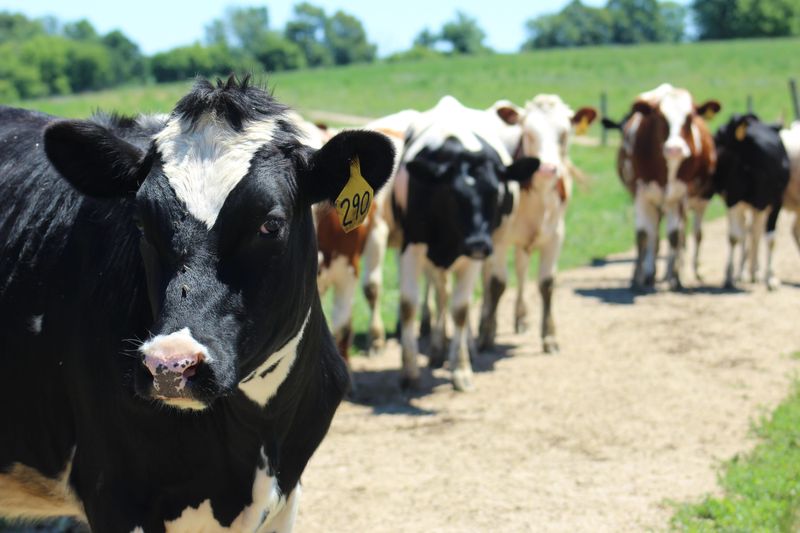
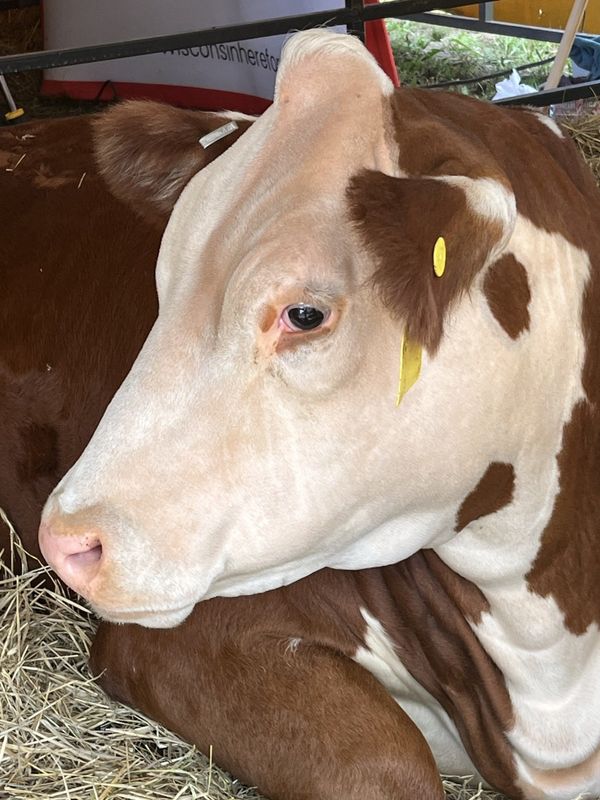
An analysis of one of the most important aspects of dairy production – heifers – finds that the number of herd replacements available to enter the U.S. dairy herd as milk-producing cows stands at a 20-year low and is unlikely to rebound until at least 2027.

A study by CoBank – the national bank for cooperatives – shows that replacement numbers could fall even further over the next two years before farmers make breeding decisions that will lead to a recovery in heifer numbers. The report notes that the decline in heifer inventories has the potential to limit growth in milk supplies, just as many dairy processors bring huge expansions online. Processors are in the middle of a historic investment in new dairy facilities, costing as much as $10 billion. The expansion of existing facilities and construction of new dairy plants is being driven by growing demand for dairy ingredients and finished products.
Where will the milk come from for new processing facilities?
That leads to the question that has been on the minds of many analysts – where will the milk for these new processing facilities come from? Perhaps it will come from existing cows that produce more milk and from increased production per cow.
Despite the lack of enough heifers to replace culled dairy cows, the USDA’s July Milk Production report, released on August 21, showed the nation’s milk production was up 3.5% from the July 2024 tally with production totaling 18.8 billion pounds. In revised numbers, USDA said June 2025 production was up 3.4% compared to year-earlier levels. Those increases in production numbers have led to a dramatic drop in prices at the farm gate.
Part of the explanation for the increased production comes in the form of production per cow, which in the 24 major dairy states averaged 2,081 pounds, which was 36 pounds above July 2024’s numbers. In addition, the number of milk cows in those 24 major states was up 154,000 head more than a year ago to 9.04 million head. The report also showed that the milking herd nationally stood at 8,000 head more than June 2025.
This reduction in dairy heifer numbers is closely tied to the dynamics of the beef herd as tight cattle supplies and record high prices for beef-on-dairy calves prompted many farmers to produce those high-value calves rather than pure dairy heifers. The production of those black half-Angus calves, destined for feedlots and dinner plates, naturally resulted in fewer purely dairy heifers being produced as herd replacements.
When the trend began, dairy heifers were extremely low priced and rearing costs were very high. Even though some of those metrics have changed, replenishing the supply of dairy heifers going into the pipeline is going to be a three-year proposition, the report noted.
The CoBank analysis showed that heifer inventories will continue to shrink. While that’s happening, heifer prices could climb well above $3,000 per head. In some places, that has already happened.
Dairy heifer numbers to shrink by nearly 800,000 in next two years
According to the report, this national dairy heifer shortage could persist and grow deeper in the next two years. Based on computer models used in the analysis, heifer inventories will shrink by an estimated 800,000 head over the next two years before beginning to rebound in 2027.
Lead dairy economist with CoBank’s Knowledge Exchange, Corey Geiger said that beef sales continue to contribute a larger share of dairy farm profitability as each year goes by and the market for beef-on-dairy calves shows no sign of slowing.
“In order to maintain sufficient cow numbers and milk production in the near term, dairy farmers will need to put the brakes on cow culling. And that could be difficult given how much they’ve already pulled back over the past two years,” he said.
Beef-on-dairy animals filling the beef pipeline
The U.S. beef herd stands at a historic 75-year low, which is why dairy farmers have been drawn into producing larger numbers of beef-on-dairy calves. The lack of supply from traditional “beef” producing segments of agriculture, along with consumers’ continued demand for beef has driven the market boom.
Semen sales data from the National Association of Animal Breeders was cited in the CoBank report. In 2020, the NAAB began tracking beef semen sales to dairy farmers. Of the 7.2 million units of beef semen sold that year, 5 million were purchased by dairy farmers. By 2024, 9.7 million units of beef semen were sold overall and 7.2 million of those units went to dairy farmers. The CoBank report notes that these continued skyrocketing purchases of beef semen are an indication of dairy farmers’ intent to produce calves for the beef market rather than dairy animals.
They noted that the NAAB didn’t track which farms were buying beef semen before 2020, but overall sales data showed that total beef semen sales nearly tripled from 2017 to 2020. It isn’t likely that beef producers were the source of this increase since their cow numbers had been diminished by drought and the majority of these producers use live bulls for natural service, rather than artificial insemination.
Beef prices show no sign of receding in the short term
Meanwhile, beef cattle prices continued their upward trajectory. In August, the nearby October 2025 cattle futures pushed even higher into record territory, the report noted, with prices over $220/cwt which was up 20% year over year. Unless there is an unforeseen market shock, beef prices show no sign of receding in the short term.
In contrast, by January 2024, the number of dairy heifers weighing 500 pounds or more – a size that is considered a proxy for the number of dairy replacements expected to join the milking herd in the next year – fell almost 15% from the 2019 figure. The USDA revised its January 2023 inventory downward just a year later by 263,600 head.
Rebuilding the supply of dairy heifers will take time
In both the dairy farm sector and the beef producer sector, farmers and ranchers have generally not built heifer replacement numbers because the value of those heifers in the slaughter market makes it so attractive to send them there.
Dairy replacement numbers were pinpointed at 3.94 million head in January 2025, 18% fewer than in 2018. The shortage caused dairy heifer prices to skyrocket to over $3,000 per head. Top heifers in high-demand states reached more than $4,000 at auction barns in places like Minnesota and California.
The CoBank analysis notes that once dairy heifer prices began to shoot up, dairy farmers responded by purchasing more gender-sorted semen to produce dairy heifers but rebuilding the supply of dairy heifers will take time. Meanwhile, many breeding programs on dairy farms utilize a strategy of using sexed semen for one or two inseminations and then follow that up with beef semen if the cow remains open.
The report notes that dairy operations are culling fewer cows in order to keep up with the loss of heifer supplies but it is still an open question whether there will be enough milk to supply the additional demand created by those new and expanded dairy processing facilities. Geiger said the short answer is that “it will be tight” and that those dairy plants will require more annual milk production, especially butterfat and protein components.
Calling this an inflection point for the dairy industry, that was previously unseen in its modern history Geiger said “it will take many more dairy heifers in future years to bring the national herd back to historic levels.”
This article originally appeared on Wisconsin State Farmer: Dairy heifer inventory already at a 20-year low expected to shrink even further
Reporting by Jan Shepel / Wisconsin State Farmer
USA TODAY Network via Reuters Connect