The Texas Parks and Wildlife Department (TPWD) has designated Lake Meredith in the Texas Panhandle as fully “infested” with invasive zebra mussels.
The TPWD made the announcement on Thursday, June 25, as the designation signifies that an established, reproducing population of the invasive mussels is present in the lake.

“Unfortunately, detection of zebra mussels at Lake Meredith is a continuation of a trend in recent years of westward spread of this highly invasive species to new Texas lakes, and this new infestation in a new river basin in the Panhandle provides a particularly concerning stepping stone for further spread to uninvaded western states,” said Monica McGarrity, TPWD senior scientist for aquatic invasive species.
Here’s what to know about the invasive species, how it showed up in Lake Meredith and how residents can help prevent its spread.
What are zebra mussels?
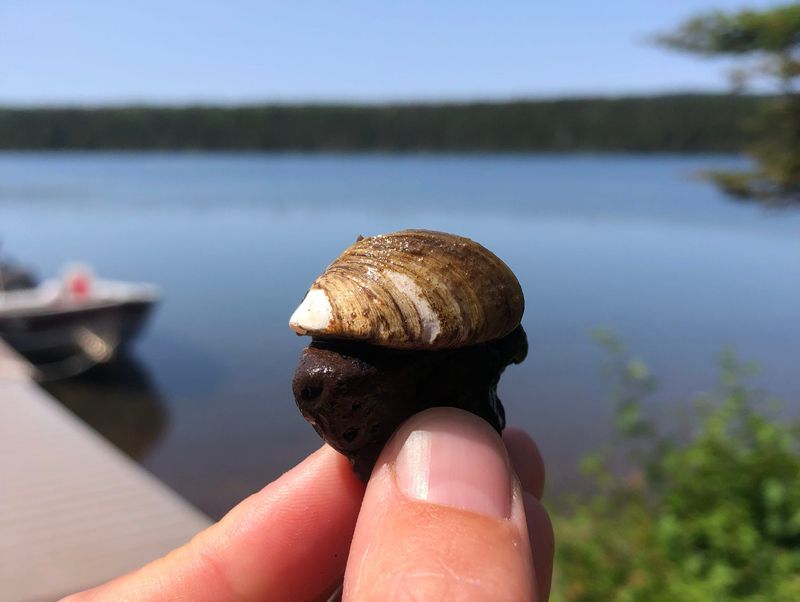
Zebra mussels are a non-native shellfish that attaches to hard surfaces, according to TPWD.
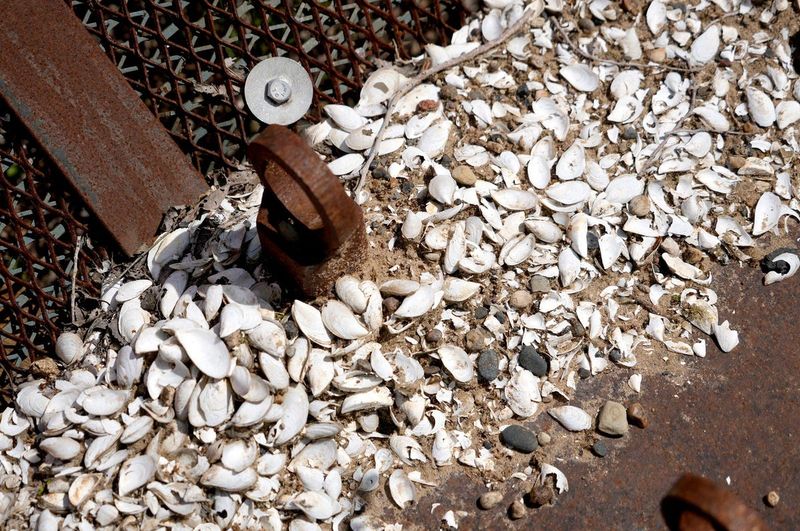
The agency says the mussels pose a significant threat to Texas lakes by altering lake ecosystems and harming native species. They also damage boats and water-supply infrastructure and litter shorelines with hazardous, sharp shells that affect lakefront recreation.
How did zebra mussels get into Lake Meredith?
In late May, partners with the U.S. Geological Survey’s Zebra Mussel Monitoring Program reported detecting potential microscopic zebra mussel larvae in routine samples from three locations in the lake, TPWD said. A TPWD Analytical Services lab quickly confirmed the specimens as zebra mussels through genetic analysis.
Separately, partners with the Canadian River Municipal Water Authority reported finding multiple settled zebra mussels on a camp chair retrieved from the lake by anglers.
The anglers also reported the invasive species to the National Park Service only days before the larvae were collected. According to TPWD, the mussels were of multiple sizes, suggesting they may have been reproducing in the lake the previous fall and this spring.
TPWD Amarillo Fisheries District staff surveyed shoreline rocks at multiple sites on the lake and detected settled mussels of different sizes at all surveyed locations, confirming the presence of a “well-established, reproducing population that is likely dispersed throughout the reservoir.”
How do zebra mussels spread?
According to TPWD, zebra mussels are most often transported on or in boats, and boaters play a critical role in preventing their spread to new lakes.
Zebra mussels attach to boats, as well as to anything left in the water, including ropes and anchors, and they can survive for days out of water, often hiding in crevices where they may escape notice.
TPWD said the microscopic larvae are free-floating and invisible to the naked eye, meaning they can be unknowingly transported in residual water in boats.
“As boaters visit water bodies anywhere in the state — or visit from other states, it’s important they take steps to properly clean, drain, and dry boats, or have vessels stored in invaded lakes professionally decontaminated,” McGarrity said. “These important steps not only prevent the spread of zebra mussels and other aquatic invasive species, but also help anglers avoid facing state fines or even delays for watercraft decontamination as they travel between states.”
How to prevent the spread of zebra mussels
TPWD urges boaters to clean, drain and dry boats and gear before traveling from lake to lake.
People should remove plants, mud and debris; drain all water from the boat and gear; and, once back home, open compartments and allow everything to dry completely for at least a week, if possible.
If a boat or other equipment — such as barges, docks, lifts and pumps — has been stored in the water of a lake with invasive mussels, TPWD said it is likely infested and poses an extremely high risk of transporting these invasive species to a new lake unless properly decontaminated.
Before moving a boat or other equipment stored in the water, call TPWD at 512-389-4848 for guidance.
In addition to the harm invasive species can cause to aquatic ecosystems, water infrastructure and the recreational experience at lakes, transporting these organisms can result in legal trouble for boaters.
According to TPWD, transporting prohibited aquatic invasive species in Texas is illegal and punishable with a fine of up to $500 per violation. The law also requires boaters to drain all water from their boat and onboard receptacles, including bait buckets, before leaving or approaching a body of fresh water.
People must also remove all invasive plants from the boat and trailer before leaving a lake.
Mateo Rosiles is the Texas Connect reporter for USA TODAY and its regional papers in Texas. Got a news tip for him? Email him at mrosiles@usatodayco.com.
This article originally appeared on Amarillo Globe-News: Texas’ Lake Meredith fully infested with zebra mussels, TPWD says
Reporting by Mateo Rosiles, USA TODAY NETWORK / Amarillo Globe-News
USA TODAY Network via Reuters Connect
By Mateo Rosiles, USA TODAY NETWORK | USA TODAY Network