Where will Keylan Rutlege play for the Houston Texans in 2026?
The AFC South franchise is fresh off its 12-win season since 2012, following a dominant run from the defensive front. The only problem? The Texans are 0-3 in divisional round playoff games since the run of the DeMeco Ryans era started in 2023.

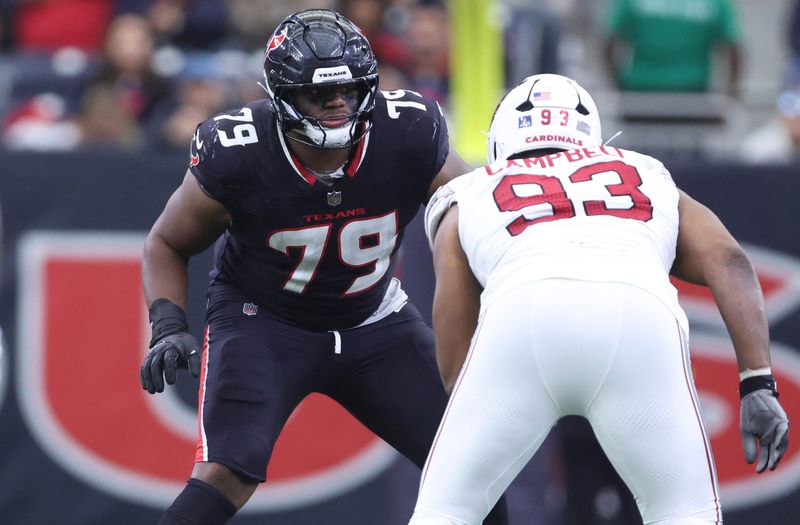
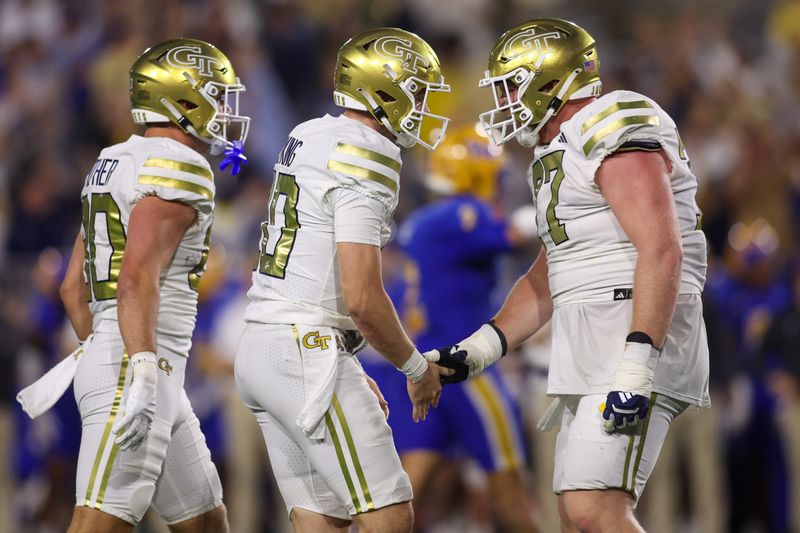
Rutledge, Houston’s first-round pick out of Georgia Tech, should be one of the key factors that changes the view of the offensive line. Scouts raved about his toughness, fighting persona and ability to terrorize defensive lineman in the run game.
The biggest question? Where will he line up next season, between the starting center or backup guard role?
“He’ll probably play wherever he needs to play. I’d say all three inside guys, again, we’ve talked about this,” general manager Nick Caserio said last week. “You’ve got some guys that are center only, some guys that are guard only, some guys that can play all three spots. We’ll see how it goes. Where is he going to play? We’ll see. Nobody knows. We’ll figure that out as we go.”
Houston seems to be all-in for the 2026 season with Pro Bowl quarterback C.J. Stroud entering a prove-it year as QB1. Offseason moves made included shoring up the offensive line with Cleveland Browns Pro Bowl guard Wyatt Teller and Indianapolis Colts right tackle Braden Smith. They also traded for David Montgomery from the Detroit Lions and restructured his deal.
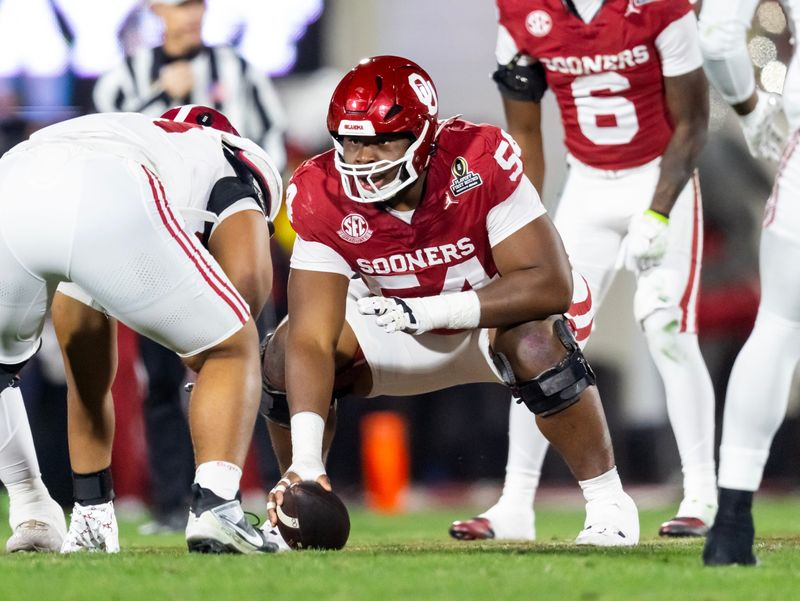
In the draft, Houston landed four offensive weapons, including Michigan tight end Marlin Klein, Oklahoma offensive lineman Febechi Nwaiwu and Boston College wideout Lewis Bond. None of them are expected to break training camp as starters, but the hope is they’ll contribute to the run of a lifetime in 2026 in some capacity.
What does the roster look like headed into stage three of the offseason?
Let’s dive in and see the newest additions following the draft, plus how they will fit into the lineup.
Quarterback
Starter: C.J. Stroud
Backups: Davis Mills, Graham Mertz
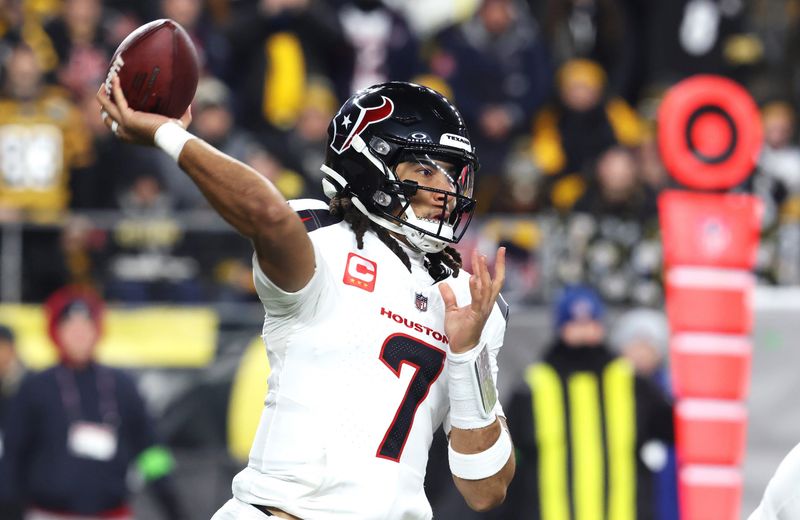
No changes. Until Stroud leaves in free agency, he’s QB1.
Running Backs
Starter: David Montgomery
Backups: Woody Marks, Jawhar Jordan, British Brooks, Noah Whittington*
Houston could be turning Montgomery into his former Lions counterpart, Jahmyr Gibbs, while naming Woody Marks the new No. 2. Montgomery was brought to Houston with the intent to start. It was why the team was willing to restructure his contract and give him a raise. He’s going to be the workhorse that elevates a run that struggled mightily last fall. Marks be the primary backup, but that doesn’t mean he won’t see action. If anything, he’ll play the role that Houston drafted him to play.
Whittington could be the next Brooks with a strong camp after a promising career in Eugene.
Wide Receivers
Starters: Nico Collins, Jayden Higgins, Tank Dell
Backups: Jaylin Noel, Xavier Hutchinson, Justin Watson, Lewis Bond, Treyvhon Saunders*, Daniel Sobkowitz*
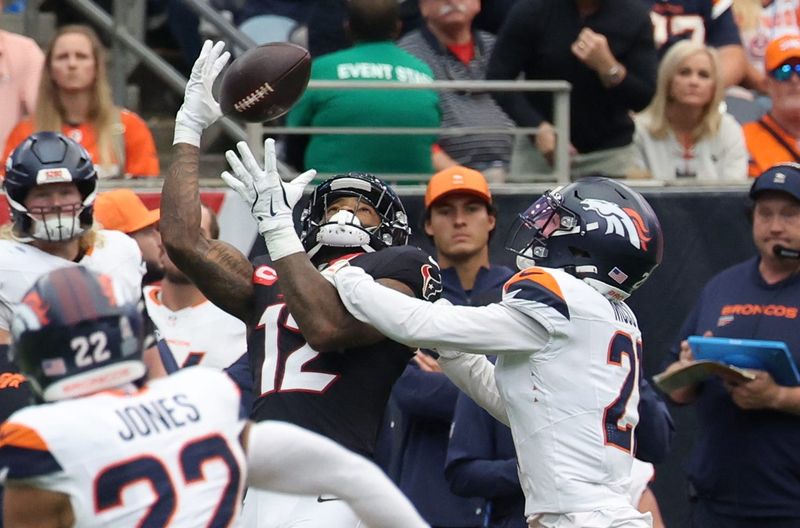
No, Collins isn’t going anywhere. Caserio told the reporter who came up with the trade rumors to literally shove it. After that, sights are on the return of Dell, who’s been out for over 14 months while recovering from multiple leg surgeries. Can he return to his rookie form? Maybe, but Ryans and Caserio have been on a stern front that they won’t rush him back onto the field until he’s ready. Expecations are high for both Higgins and Noel entering Year 2 after decent results as the third and fourth options in the passing game.
Tight End
Starter: Dalton Schultz
Backups: Brevin Jordan, Foster Moreau, Cade Stover, Luke Lachey, Marlin Klein
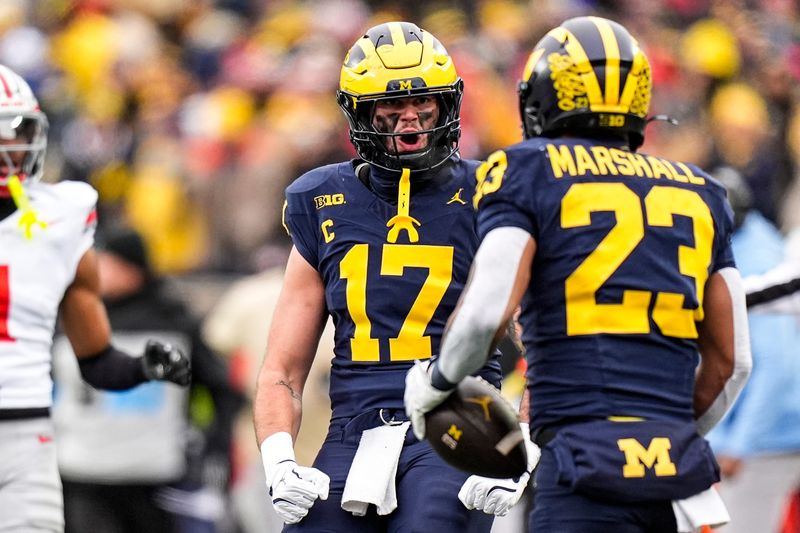
Analysis: Klein and Moreau are two of the biggest names to watch for throughout training camp. As a blocker, Moreau might end up being a lock to make the squad, even though he’s limited as a receiver. As for Klein, even his family was shocked to see him land at No. 59 with Klein, but it feels like every year that Caserio seems to have one pick that just breaks the norm. The former Michigan product has untapped potential after dealing with injuries in his final college season, with some comparing his upside to that of George Kittle.
No, Klein won’t turn into Kittle by the time his rookie season ends, but any sense of growth the 6-foot-6 tight end could end up being why Houston’s offense feels content about the tight end spot long-term.
Offensive Tackle
Starters: Braden Smith, Aireontae Ersery
Backups: Trent Brown, Blake Fisher, James Neal III*
No changes here following the draft. Ersery and Smith should be locked-down options on the outside for Nick Caley’s offense.
Offensive Guards
Starters: Wyatt Teller, Ed Ingram
Backups: Keylan Rutledge, Febechi Nwaiwu, Evan Brown, Jarrett Patterson, Jarrett Kingston, Siddy Sow,
Both Teller and Ingram got paid this offseason. They are starting barring injuries come Week 1. The bigger question turns to whether Rultledge will see most of his reps in center drills or if he’ll stick behind Teller for a year, learn the offense and eventually move into the starting role.
Center
Starter: Jake Andrews
Backups: Keylan Rutledge, Febechi Nwaiwu, Eli Cox
Rutledge and Nwaiwu were mostly guards in college, but the duo did take reps at center in a pinch, with the latter starting two games last fall. Either way, they’re good enough to give Andrews a run for first-team reps this offseason. Part of the reason Houston loved the two linemen was because of their physicality and willingness to fight first before asking questions. They fit the new mold of the Texans’ offensive identity, so if either can push ahead of Andrews, it has to be an option for Coleve Popovich.
This article originally appeared on Texans Wire: Texans updated offensive depth chart following the 2026 NFL Draft
Reporting by Cole Thompson, Texans Wire / Texans Wire
USA TODAY Network via Reuters Connect