They say a cowboy is nothing without his trusted steed, and undoubtedly, the partnership between man and equine has dramatically shaped the West Texas plains we call home.
From riding and ranching to moving cattle and families across dangerous terrain, the history of the cowboy and ranch horse is embedded deep in Texas culture and Western society.

But as most of the world has moved on to automobiles, iPhones and the other luxuries of modern technology, the tradition of working cattle via horseback still remains one of the most prevalent features of ranching society.
While most of these ranch horses spend their days out in the plains moving and checking cattle, there are a few days out of the year these horses gather together for a little friendly competition and display of ranching skills.
Abilene hosted over 150 competing ranch horses and riders at the Western Heritage Classic for the Ranch Horse Association of America’s National Finals competition on May 8. It was a prestigious three-day horse show where qualifying ranch horses and riders competed for the ultimate title in their divisions.
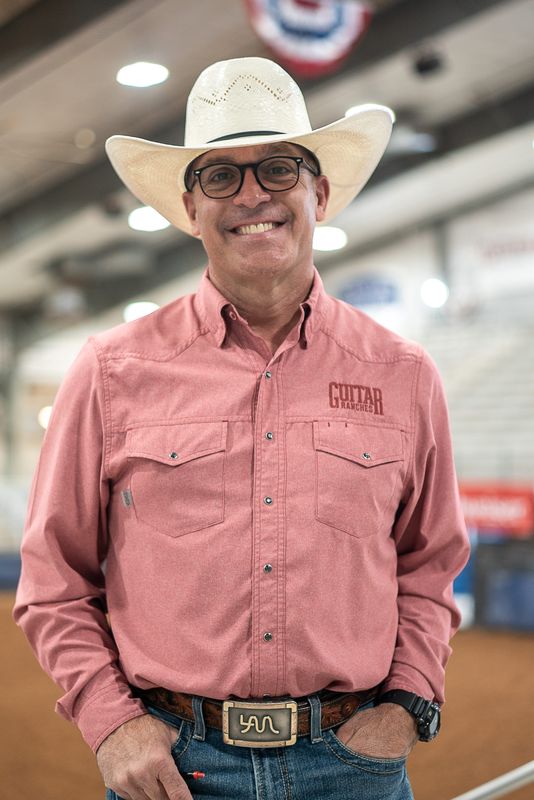
“This is probably the most traditional horse event that you can come to when it comes to showing off the abilities, capabilities, and willingness of a horse,” said Clay McCesson, the president of the RHAA. “If you find any romance in ranching, we’re going to be the closest touch to that in our association.”
Established in 1998 to honor the working American ranch horse, the RHAA promotes the ranching lifestyle by hosting a series of ranch-style competitive horse shows that highlight the skills of both the ranch horse and rider.
“We started quite a bit differently in the ’90s,” said McCesson. “It was an event that didn’t have a lot of structure. And I mean that respectfully. It was like ‘Bring your horse to Abilene. We want to show off all the things you can do.'”
Now the RHAA follows a more organized structure, hosting 14 qualifying horse shows a year, leading up to the national finals held annually during Abilene’s Western Heritage Classic.
“To put it into comparison with something similar, the National Finals Rodeo, that’s based on money. Ours is based on points,” said McCesson.
“So, currently, if you go to a horse show for the RHAA, and say there are 10 people in your class, if you win it, we’re going to give you 10 points,” he said. “So it’s an accumulation of points throughout the year. And we award the high point year-end earner with a beautiful belt buckle. “
During the show, horse and rider teams are judged and scored by a panel of judges on the display and completion of a series of tasks inspired by everyday work ranch horses must be able to perform.
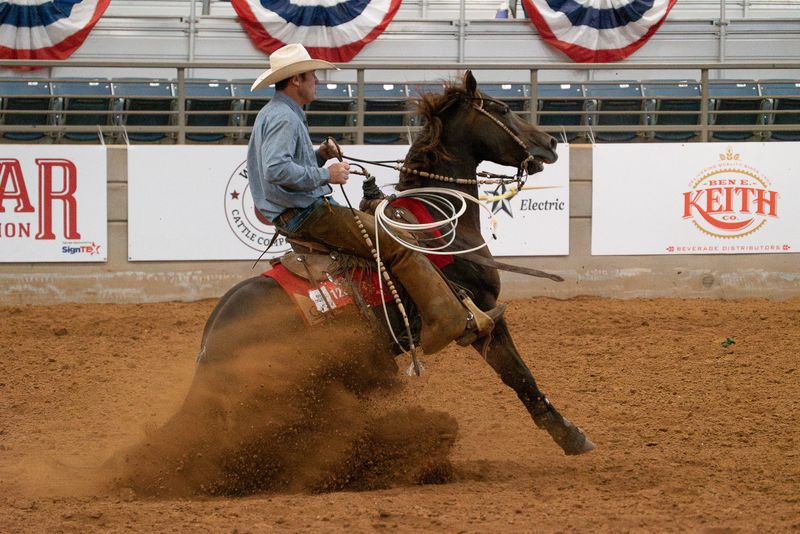
The horse and rider begin the competition by performing a pre-determined reining pattern, which is a controlled demonstration of fast-paced maneuvers like stops, direction changes and spins. Competitions are judged on the level of finesse and grace displayed while performing the pattern.
“I really love the reining,” said McCesson. ” I think it’s incredible because it takes a lot of time to learn it.”
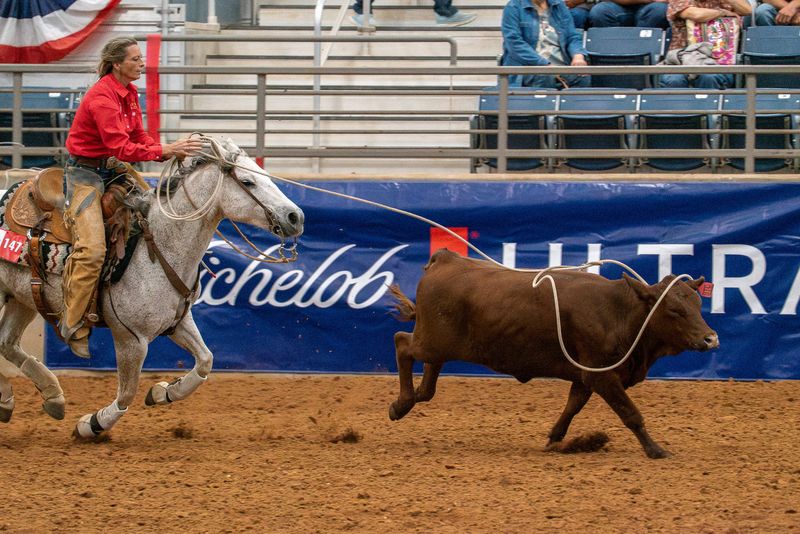
After the reining competitors, the competition moves on to the cattle portion of the show where horse and rider are first tested on their ability to move a single cow in different directions while displaying control. Once they complete the cow work pattern, they move on to the roping portion, where competitors have just a few minutes to successfully rope the cow.
“These horses, I truly believe that they love to work cattle.”
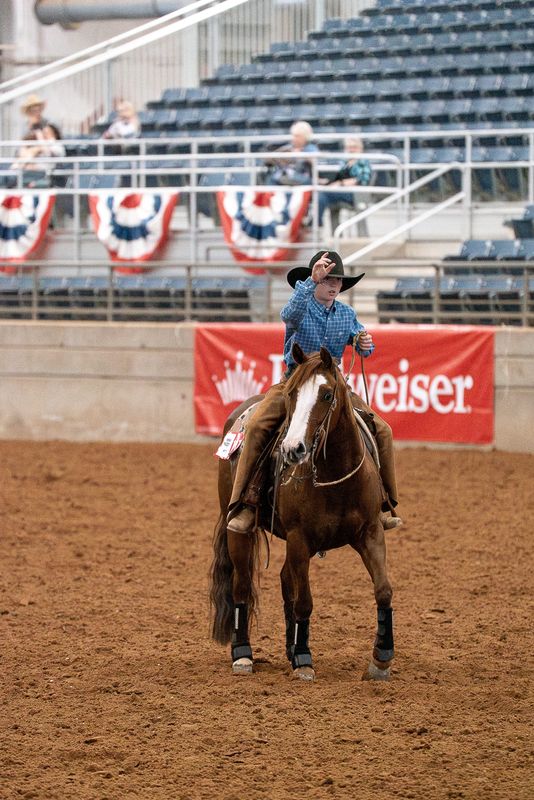
The association offers 12 divisions for competitors to show in, including classes for youth members and new competitors.
“We have a lot of kids participate in this association because they have a ranching background through their family,” said McCesson. “Our demographic for the RHAA is really heavily weighted towards ranch lifestyle.”
McCesson said for most of the show participants, their horse is a major part of their daily lives, and they often spend most of the day riding and working with them, leading to a strong bond that can be seen in and out of the show ring.
“It’s something I’ve experienced personally,” said McCesson. “It’s incredible. I don’t know how else to say it. I wouldn’t say my identity is the horse. I have a bigger faith, but without him, I don’t know what I would do. “
RHAA national winners
Results for the RHAA national finals are as follows: class name, rider name, horse name.
Novice BDBD: Meghan Tyrrell and Smokin Cassie Cat
Wrangler: Chance Walker and Play Stylish With Me
Cowboy: Kreese Milligan and SCR Chic A Boom
Ranch Hand: Bubba Garcia and Some Kinda Stevie
Junior: Waylon Davis and Hey Mitch Que Paso
Senior: Kyle Birkenfeld and TAMU Bettin A Dual
Senior Youth: Regan Koontz and Ranch Rooster
Junior Youth: Ryker Burson and Smart Playin Pick
BFR Senior Horse: Waylon Davis and Reydium Cat
BFR Junior Horse: Waylon Davis and Hey Mitch Que Paso
BFR Senior Youth: Blaine Roberts and TRR Peps Little Bug
BFR Junior Youth: Creed Cogdell and How The West Won
BDBD stands for Box-Drive-Box-Drive, an event in which the horse and rider must control the movements of a cow on one side of an arena (boxing) and then move the cow along a fence line.
BFR stands for Box-Fence-Roping, which is the sequence of events included in that specific class. Participants box a cow, make a fence turn and rope it in the arena.
This article originally appeared on Abilene Reporter-News: Ranch horse tradition thrives at national competition in Abilene
Reporting by Lauren Dossey, Abilene Reporter-News / Abilene Reporter-News
USA TODAY Network via Reuters Connect