Food is powerful.
It can captivate even the most disciplined eater, leading to overindulgence until discomfort sets in. A simple plate of cookies can become an obsession, dominating your thoughts as you try to resist. And, unfortunately, those extra bites have a way of settling on your body as unused calories.

But why does food hold such control? And, most importantly, how can you regain power over your eating habits?
The science of overeating
Dr. David A. Kessler, a pediatrician, former FDA commissioner, and former dean of the medical schools at Yale and the University of California at San Francisco, explores those questions in his bestselling book, “The End of Overeating.” Despite his impressive credentials, Kessler has battled his own weight issues, making his insights both expert and personal.
Observing the current obesity epidemic, he recognized that his struggle was far from unique. With the help of leading experts in medicine and science, Kessler identified three core reasons most of us are prone to overeating:
1. The power of sugar, fat and salt. Your favorite treat likely revolves around a combination of sugar, fat, and salt — a trio Kessler calls the “three points of the compass.” This potent combination can rewire your brain, creating powerful cravings. Foods rich in these ingredients have high hedonic value, offering pleasure that keeps you coming back.
2. Targeted by the food industry. From flashy ads to convenient packaging, the food industry is designed to trigger your cravings. Food has become a science, engineered for taste rather than nutrition. Companies carefully craft products loaded with sugar, fat and salt, ensuring you become a repeat customer.
3. Conditioned hypereating. Over time, indulgence becomes habit. Foods high in sugar, fat and salt can hijack your brain’s reward system, creating a cycle of craving and overeating. Kessler describes this as a cycle of “more” — more arousal, more thoughts of food, more consumption, and ultimately, more weight gain.
Breaking the cycle
The good news is that you can regain control. Here are three proven strategies to free yourself from overeating:
1. Establish clear rules. To resist overeating in today’s tempting environment, develop a set of personal eating rules. Kessler advises making these rules “simple enough to fit your busy life, but specific enough to remove uncertainty.” Here are a few effective guidelines from Michael Pollan, bestselling author of “In Defense of Food”:
2. Build negative associations. Just as your taste buds can be trained to love sweet or salty treats, they can also learn to reject unhealthy foods. Develop a mental list of reasons to avoid tempting but unhealthy options:
3. Reward yourself the right way. We often turn to food as a reward, but this can be a trap. Instead, choose a reward that truly benefits you — like exercise. Not only will it release endorphins that boost your mood, but it will also improve your health and help you maintain a healthy weight.
Your path forward
Overeating doesn’t have to control your life. By understanding the science behind it and making mindful changes, you can escape the cycle and build a healthier, happier relationship with food.
If you’re ready to make a lasting change, consider combining these strategies with a structured exercise program. Don’t just fight obesity — overcome it, one mindful bite at a time.
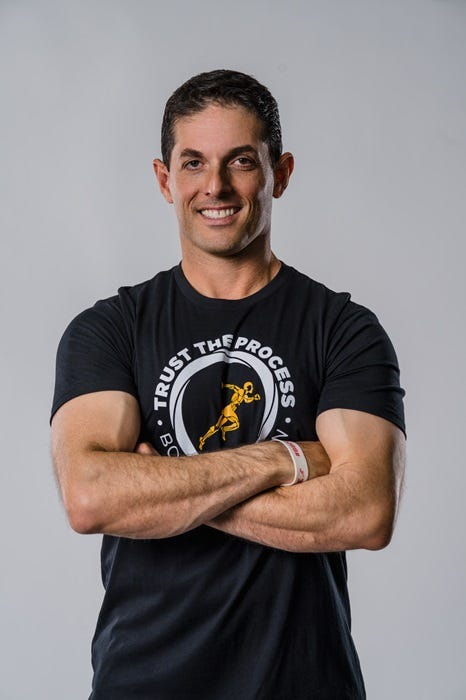
Fred Sassani, founder of Bodies by Design, is a nationally certified personal trainer and nutrition specialist with 23 years of experience helping individuals in Pflugerville and the surrounding area achieve their health and fitness goals. Bodies by Design is at 15812 Windermere Dr. #100B. Learn more at.bbdforlife.com.
This article originally appeared on Austin American-Statesman: Bodies by Design: A survival guide for a culture of overeating
Reporting by Fred Sassani / Austin American-Statesman
USA TODAY Network via Reuters Connect