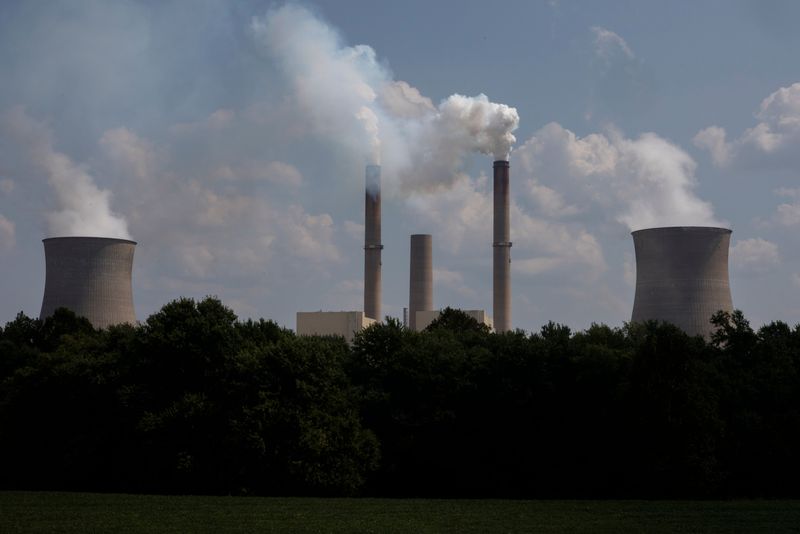
As Ohio builds more power-sucking data centers, state legislators are looking for new ways to conserve electricity use and lessen the demand on the power grid.
State Rep. Roy Klopfenstein, R-Haviland, is pushing the idea of letting customers volunteer to have their electric company automatically adjust their smart thermostats when the demand for power is at its peak. He introduced House Bill 427 on Aug. 27.

Called a “voluntary demand response program,” utilities would pay residential and small commerical customers who agree to let the electric company turn back the thermostats, water heaters and other devices. Some large energy users already participate in such agreements with utilities.
Supporters, including the Ohio Environmental Council, Environmental Law & Policy Center and the Ohio Conservation Energy Forum, say it could be a win-win for utilities and consumers. When enough customers participate, it can free up enough capacity that it’s like having a power plant without having to build it. Customers save money, utilities avoid building costs.
Ohio consumers saw their monthly electric bills climb by about $30 this year, increasing to $130 due to a capacity auction conducted by PJM, which operates the grid. PJM estimates another 5% rise starting in summer 2026.
In February 2025, the Ohio Business Roundtable released a study that said the state could face power shortages within two years if the electrical grid isn’t bolstered.
If something isn’t done by 2027, blackouts during severe weather could become more common, energy costs may increase and businesses considering a home in Ohio may look elsewhere, the Ohio Business Roundtable warned.
As data centers have popped up throughout central Ohio, they’ve brought with them concerns about electricity use. Ohio’s surge in data centers means the state could eat up so much electricity that demand for power in the Columbus region will be similar to all of Manhattan by 2030, according to American Electric Power.
Staff writer Max Filby contributed to this report.
State government reporter Laura Bischoff can be reached at lbischoff@gannett.com and @lbischoff on X.
Do you think power companies should be allowed to access your smart thermostat?
This article originally appeared on The Columbus Dispatch: Would you let a utility company control your smart thermostat? Some want Ohio to allow it
Reporting by Laura A. Bischoff, Columbus Dispatch / The Columbus Dispatch
USA TODAY Network via Reuters Connect