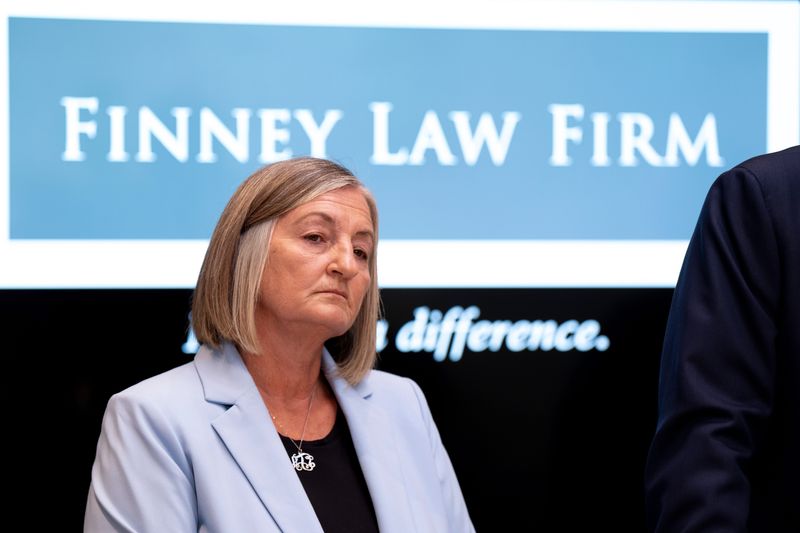
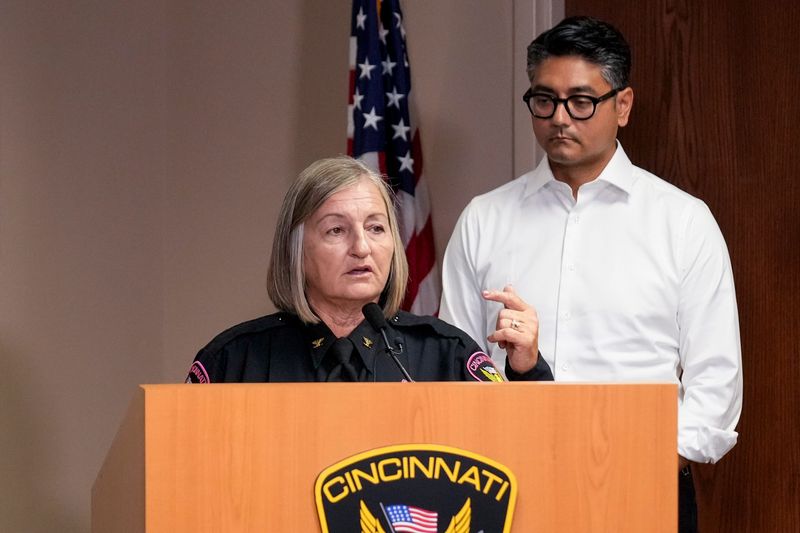
There are moments when a city reveals more about itself in how it ends something than how it begins it. Cincinnati’s firing of Teresa Theetge is one of those moments.
Strip away the termination letter, the recordings, the talking points, and what’s left is a hard truth we don’t like to admit: Police and fire chiefs serve at the pleasure of politics. And when the political tides turn hard enough, even a 35-year veteran − even the city’s first female chief − is expendable.

That doesn’t make what happened to Theetge acceptable. It makes it predictable. And expensive.
When leadership fractures
There are two competing accounts of Theetge’s downfall: the termination letter from City Manager Sheryl Long and the chief’s own recording from her disciplinary hearing. Neither tells the full story. But both point to the same underlying failure.
City Hall was not aligned.
The mayor, the city manager and the police chief were not on the same page about something that matters as much as crime itself: public perception of crime. Long argued that Theetge didn’t take perception seriously enough. But Cincinnatians clearly did. They always do.
That disconnect is not a footnote. It’s the story.
Judgment or disagreement
Many of the examples cited as Theetge’s “poor judgment” read less like misconduct and more like a chief making independent calls.
She spoke at a Cincinnati Public Schools board meeting. She resisted mandatory overtime tied to a 3CDC safety plan she didn’t support. Those are decisions. Debatable, yes. Fireable offenses? That depends on whether disagreement is allowed in City Hall.
Theetge’s claim of mixed messaging only deepens the concern. She says Long publicly backed a summer safety plan while privately acknowledging that some of the mayor’s expectations were unrealistic. If true, that’s not insubordination from a chief; that’s dysfunction from leadership.
And dysfunction at that level doesn’t stay contained. It spills into policy, into policing, and ultimately into public trust.
The cost of getting to yes
The timeline tells its own story. Six months of paid administrative leave. Two law firms paid nearly $100,000 to investigate and review. Then, a firing on April 23.
That doesn’t look like a sudden loss of confidence. It looks like a decision made long ago, followed by a prolonged effort to build a case strong enough to withstand what comes next.
What comes next is likely a lawsuit.
Cincinnati taxpayers have seen this movie before. Long previously terminated Cincinnati Fire Chief Michael Washington. That decision also ended up in court. Now the city appears headed down the same road again − more legal fees, more potential settlements, more public dollars spent cleaning up internal decisions.
This is not just about one chief. It’s about a pattern.
And it raises a fair question: Why did City Council just hand Long a glowing performance review while these costly leadership breakdowns continue to pile up?
Accountability doesn’t stop at the chief
It’s easy to focus on Theetge’s flaws. She wasn’t perfect. No chief is. But accountability cannot be one-directional.
Long hired her. Long supervised her. Long was responsible for performance evaluations that should have surfaced any serious concerns long before a public unraveling.
If those concerns were real, why weren’t they addressed earlier? If they weren’t, why did the situation deteriorate to this point?
Either answer reflects poorly on City Hall leadership.
And City Council’s silence throughout this saga has been deafening. Oversight is not optional when millions in taxpayer dollars − and public confidence − are on the line.
A better ending was possible
None of this had to unfold this way.
If the political leadership lost faith in Theetge, they had the authority to act decisively and transparently. That’s part of the job. But what Cincinnati got instead was a drawn-out process that now looks more like cover than clarity.
The investigation did not resolve the mess. It exposed it.
Theetge deserved better. A 35-year career and a historic appointment warranted a more professional exit than this.
The people of Cincinnati deserved better, too.
Because now the bill is coming due − in legal fees, in leadership uncertainty, and in the erosion of trust between City Hall and the public it serves.
And here’s the part City Hall can’t spin away: When the dust settles, this won’t be remembered as the moment Cincinnati solved a leadership problem.
It will be remembered as the moment it created a bigger one.
Opinion and Engagement Editor Kevin S. Aldridge writes this on behalf of The Enquirer’s editorial board, which includes Editor Beryl Love and Senior News Director of Content Jackie Borchardt. Editorials are fact-based assessments of issues that are important to the communities we serve. These are not the opinions of our reporting staff members, who strive for neutrality in their reporting.
This article originally appeared on Cincinnati Enquirer: Theetge firing exposes failures at Cincinnati City Hall | Editorial
Reporting by Enquirer editorial board, Cincinnati Enquirer / Cincinnati Enquirer
USA TODAY Network via Reuters Connect