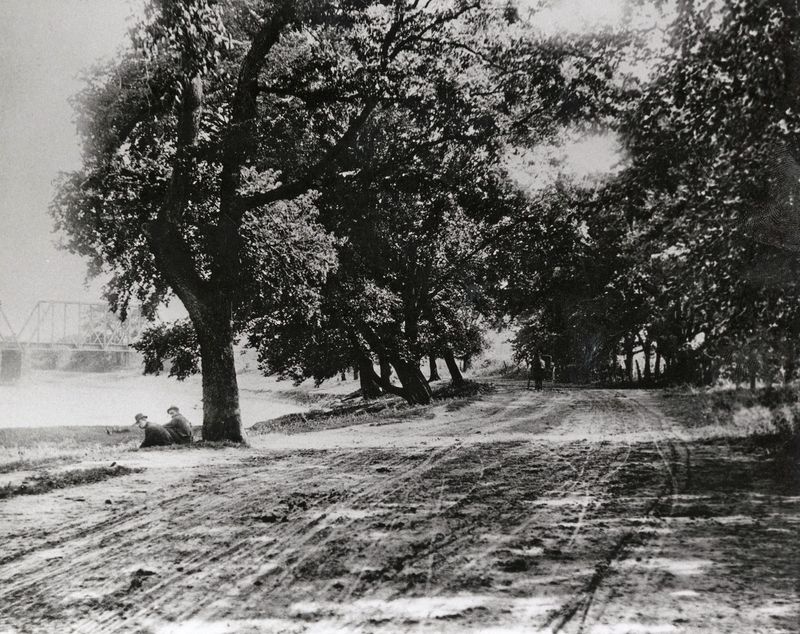
Since Columbus was founded, caring for the Scioto River has been a balancing act. In addition to providing drinking water, the river has been utilized for a variety of economic, recreational, and sanitary purposes.

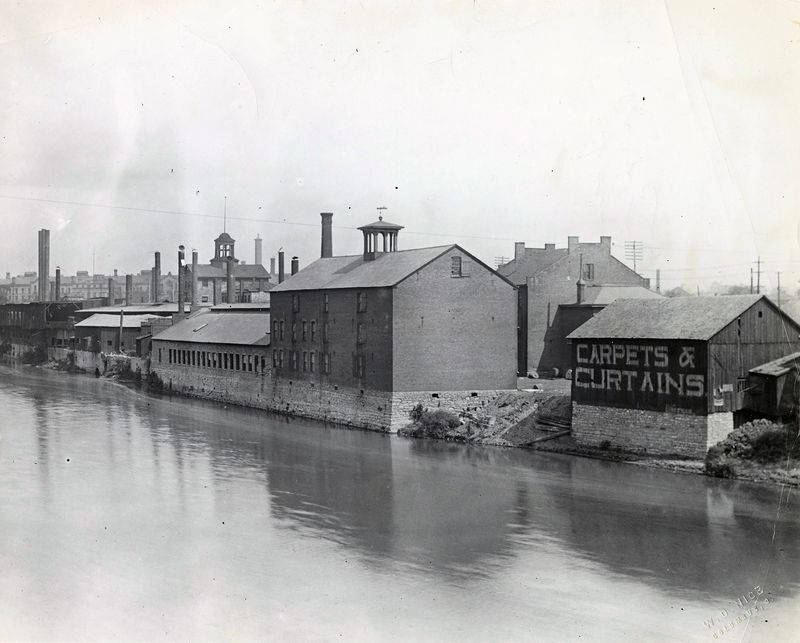
In Columbus’ early years, raw sewage and industrial waste were routinely dumped into the river, which made cholera and typhoid infections common. Although public waterworks were launched here in 1871, it didn’t initially involve the Scioto, instead using groundwater.
In 1879, the city began to consider installing a dam on the Scioto, which would also create a reservoir to improve the water supply. But costs were prohibitive, and the city stalled until 1900, when the Scioto was again proposed as a better water supply than groundwater.
By 1904, city leaders were able to fund the construction of what became the Griggs Dam. A pumping station and a new plant for water softening and purification were completed in 1908, immediately reducing disease.
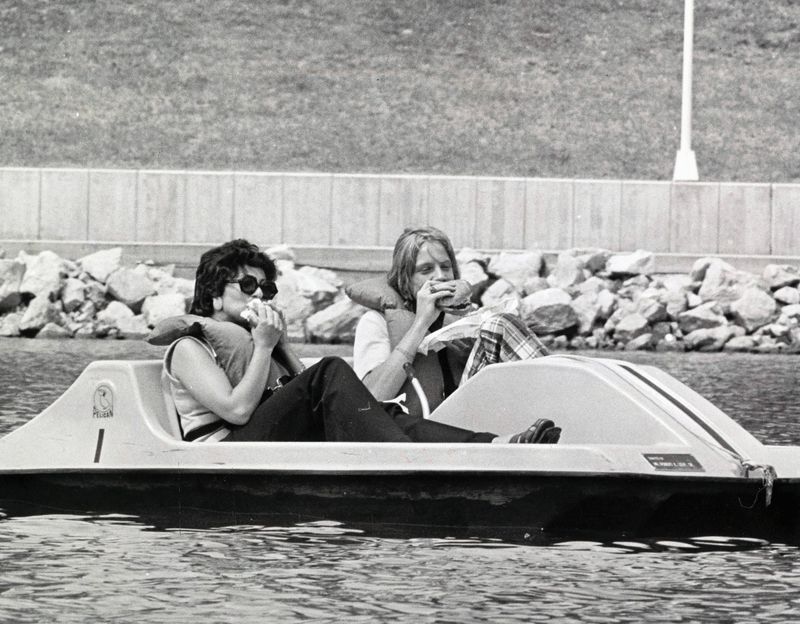
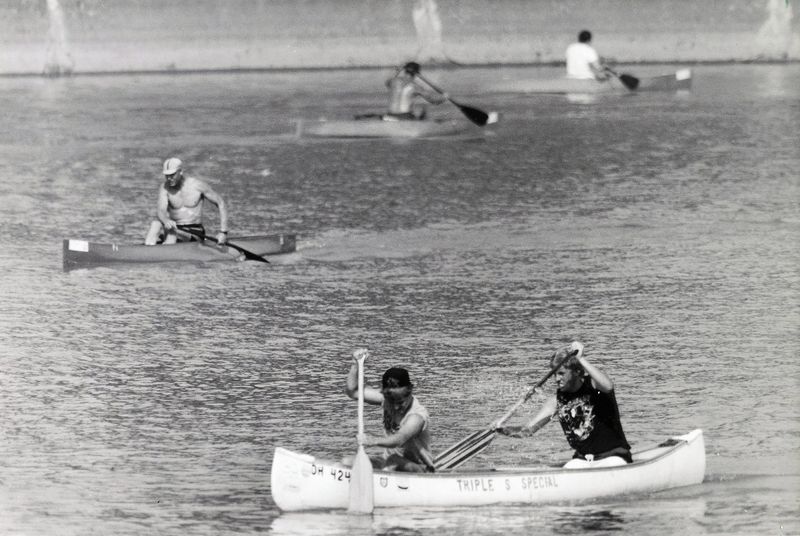
After the 1913 flood, the need for greater control over the river was clear, and construction began to create another reservoir, the O’Shaughnessy Dam, completed in 1925. These great improvements in public health and safety also enhanced recreation: Parks and picnic grounds were added near both reservoirs.
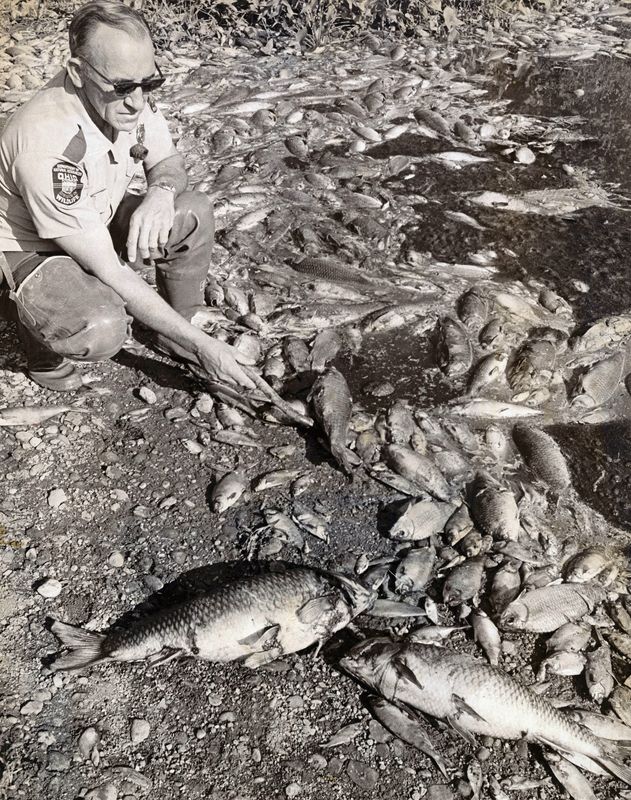
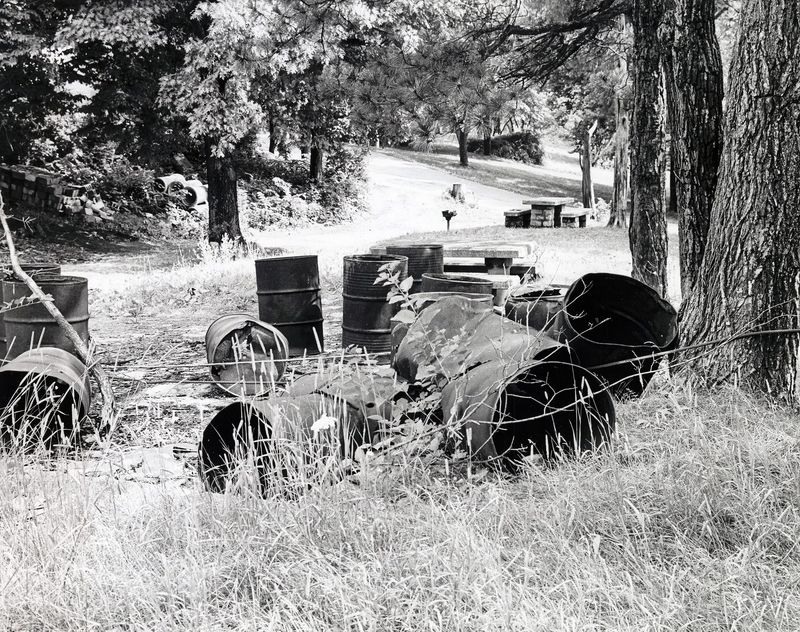
But water pollution increased over the years, and residents faced increasing challenges to enjoy the parks and river.
By 1967, the Scioto River’s water quality needed work. A state board was preparing to set more stringent standards.
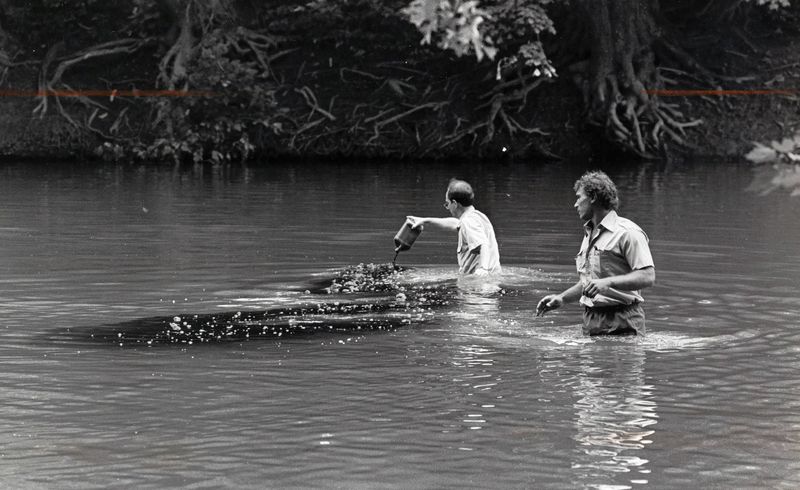
A Dispatch investigation had found that water south of the city smelled like rotten eggs and was only fit for industrial cooling. The water could not be used for drinking, swimming, or fishing.
In fact, some aquatic life couldn’t survive there, nor was the water suitable for watering crops or cleaning animals. But to the north, before it entered Columbus, the river’s water was clean, meaning Columbus was to blame for the pollution.
Leaders hoped that with improvements, residents would be able to safely swim in the river by 1975. The state and then the federal government incrementally improved standards of water quality, and the city kept up.
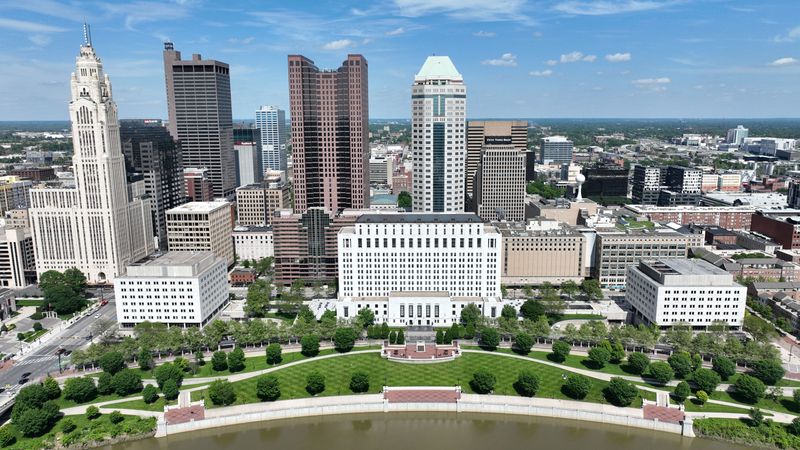
Finally, in 2010, the city began work to improve the river’s flow downtown by removing some dams along the Scioto, creating the Scioto Mile, a beautiful riverfront park.
Megan Sheeran is a librarian with the Columbus Metropolitan Library.
This article originally appeared on The Columbus Dispatch: The Scioto River has been critical to life in Columbus since the city’s founding in 1812
Reporting by Megan Sheeran / The Columbus Dispatch
USA TODAY Network via Reuters Connect