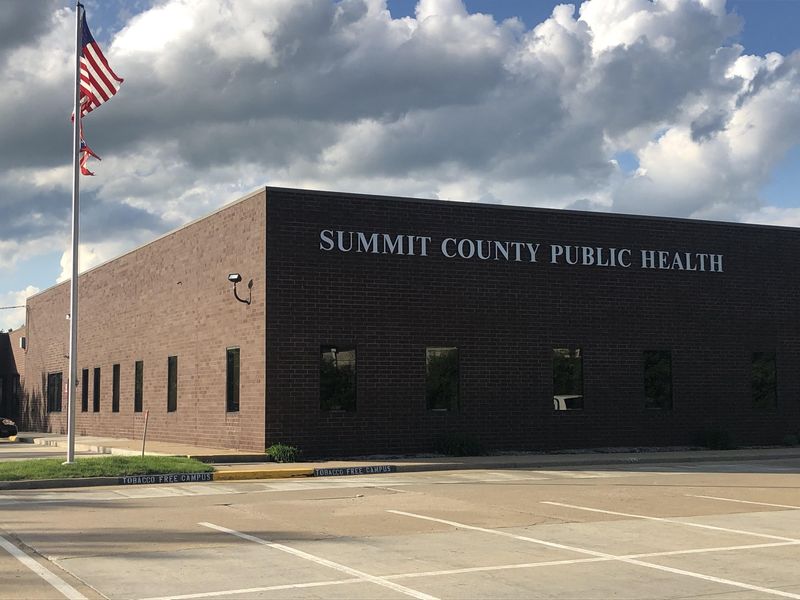
Summit County Public Health inspected hundreds of food-serving facilities in July, including restaurants, nursing homes, grocery stores and gas stations, according to health data obtained by an Akron Beacon Journal database.
Food establishments are inspected one to four times per year, depending on the likelihood of a foodborne illness. Inspectors determine whether or not these establishments are compliant with the Ohio Uniform Food Safety Code, which ensures food is safe for public consumption.

Establishments with multiple uncorrected violations can have their licenses revoked or suspended, or in a severe case, the establishment could be forced to permanently close.
Which Summit County establishments had the most critical violations in July?
What are the types of violations?
There are two types of violations health inspectors look for: critical and non-critical violations.
Critical violations are those violations that, if left uncorrected, are “more likely to contribute to food contamination or illness,” according to the Summit County Health Department. Examples of critical violations include the improper cooking, reheating or refrigeration of food items.
Non-critical violations are not directly related to foodborne illnesses, but they could still impact the restaurant and lead to critical violations if not corrected. Examples include a lack of facility cleanliness and maintenance.
What types of inspections are there?
The following are the seven types of inspections, according to Summit County Public Health:
Reporter Anthony Thompson can be reached at ajthompson@gannett.com or on Twitter @athompsonABJ
This article originally appeared on Akron Beacon Journal: Summit County restaurant inspections: Which places had the most violations in July?
Reporting by Anthony Thompson, Akron Beacon Journal / Akron Beacon Journal
USA TODAY Network via Reuters Connect