COSHOCTON − Mark Underwood has lived on Orchard Street for more than 40 years. Recently, while planting peppers in his home garden, he lifted his hands to find them covered in cat feces. Sitting on his porch for a morning cup of coffee is nearly impossible because of the smell.
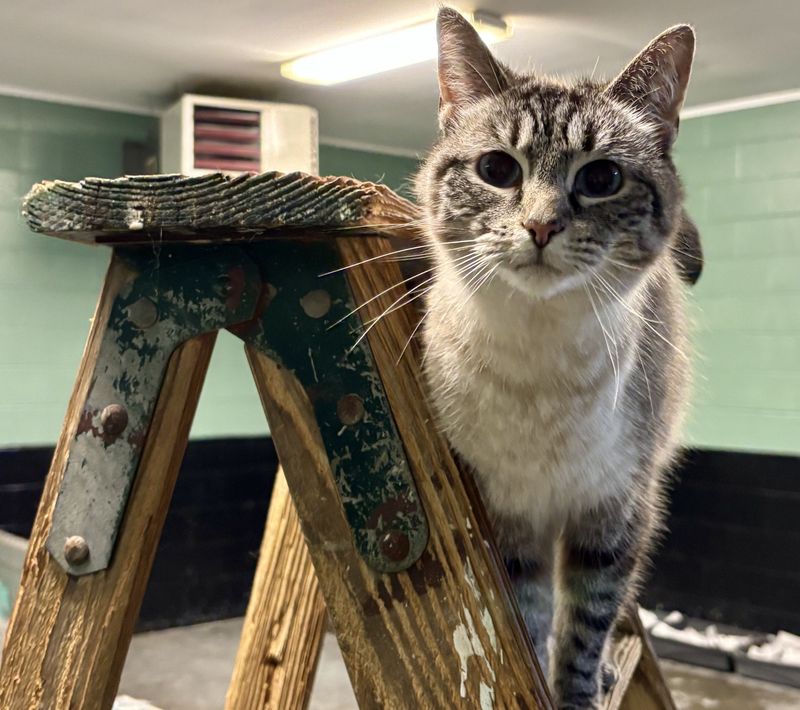
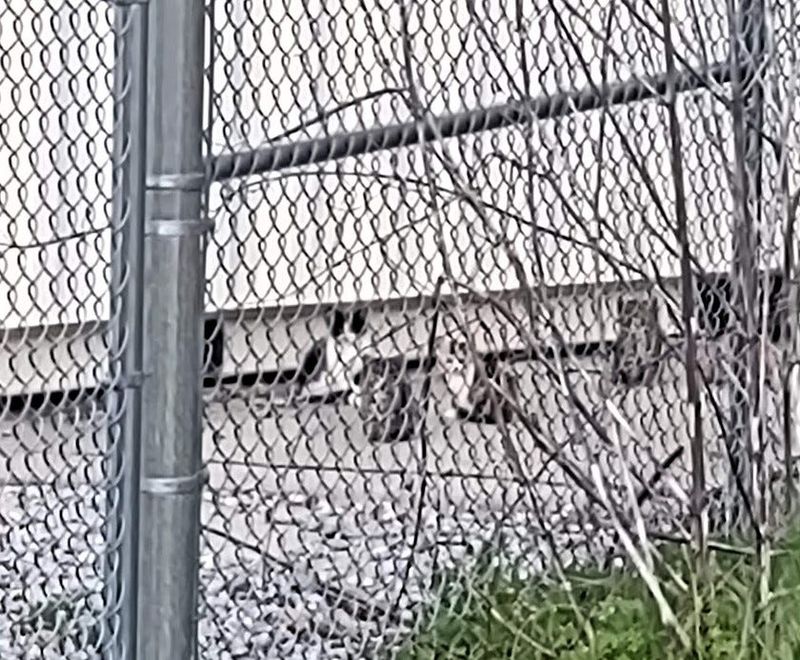
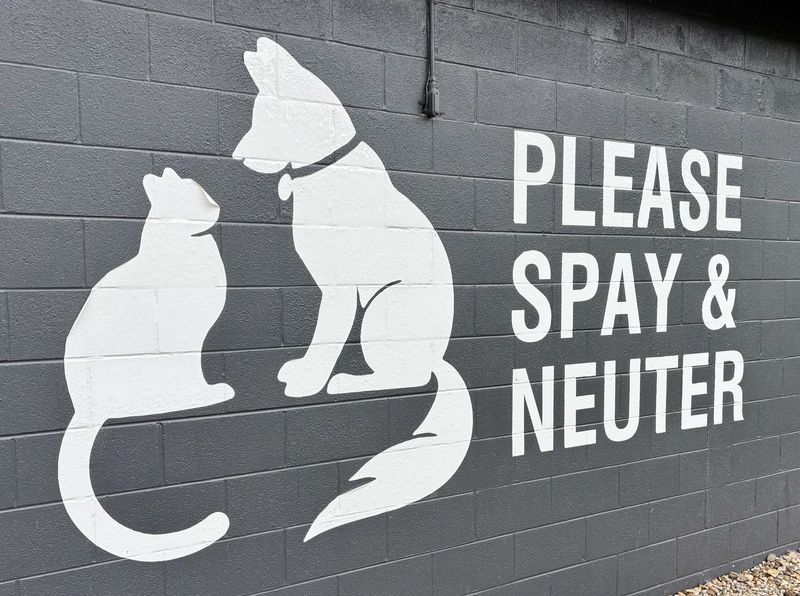
Stray and feral cats wandering around Coshocton has become an issue city officials are aware of, but how to address it remains uncertain.

Councilwoman Jillian Hall said her son, who lives on Eighth Street, often finds packages left on his porch covered in cat urine. Mayor Mark Mills lives near Underwood and sees the same.
Underwood knows spaying and neutering won’t stop felines from wandering or relieving themselves in neighborhoods, but it will help control the population overtime. Additionally, he supports permitting cats, similar to dogs, with funds going toward control programs.
“I sound like I’m down on cats, but I’m not doing this as an adversarial kind of thing. I don’t want to kill the kitties,” Underwood said. “But, if I have to buy a license and keep my dog under control and clean up poop if she does sneak off to the neighbors, I’ve got no problem with it and I do that.”
“The bottom line is somebody needs to be responsible for the cat. If you’re feeding the stray, then it’s your cat,” he added.
Causes of the problem
Hayley Sturtz, manager of the Coshocton County Animal Shelter, attributes the rise in the cat and dog population to COVID-19 era overbreeding and rising drug abuse and housing instability that leads people to surrender or abandon pets.
She questions how someone can take care of a pet, when they are struggling themselves.
“You’re seeing those in poverty vice gripped further and further. The need is really high, but the outlets are not as plentiful,” she stated.
Sturtz said many rescues and facilities that once took animals have closed or stopped accepting out-of-county intake because of high volume. While trapping and spaying is a first step, placement is a challenge.
“Their backyard has blown up too. We’re all just treading water at this point in a never-ending cycle of irresponsibility and lack of accountability,” she confided. “The number one thing I deal with with the public is ‘that is someone else’s problem.'”
City options
Council members are reviewing ordinances from Ironton and Euclid regarding unaltered and stray cats. This could include sections on permitting cats, mandatory spaying and neutering and funding for control programs and education.
Mills’ major concerns are enforcement and paying for a trap and release program, including someone to conduct it. Permitting might not generate enough funds, considering it wouldn’t cover unowned stray and feral felines.
“We can put anything we want on paper, but it will cost (money) to pay that person to enforce what is on paper. I’m not against it, it’s how we do this on our own and how do we fund it,” Mills said of his concerns.
Shelter strain
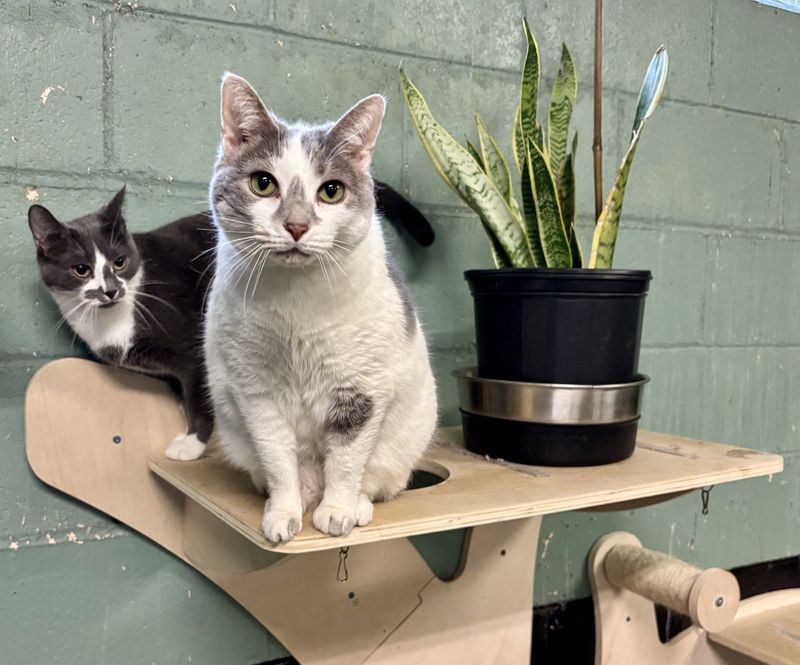
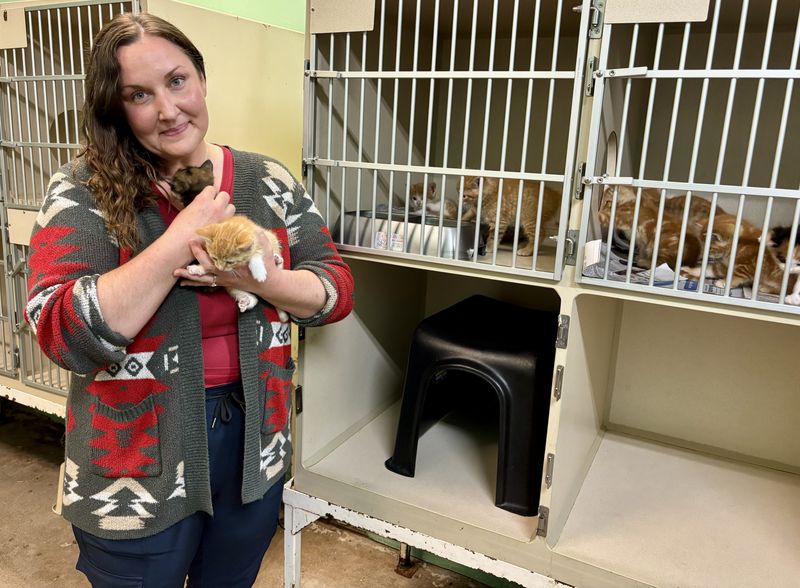
So far this year, the animal shelter has received 244 cats and kittens and 111 dogs and puppies, which includes surrenders and strays.
The shelter has spent more than $19,000 on veterinarian bills, including spaying and neutering. The shelter receives $23,000 a year from the county with about 80% of operations coming from donations.
The shelter is an open intake facility and performs humane euthanasia for sick or injured animals, and sometimes for space. In 2025, 663 cats and kittens were put down. Sturtz knows this often gets the shelter demonized.
“We are creating a humane death for cats and dogs that can’t safely remain on streets and in communities,” she stated. “Humane euthanasia is the most important thing I do. I give people a solution and I give that animal a beautiful last few minutes on this earth.”
All adopted pets are spayed or neutered. It also offers trap and release low-cost clinic and program assistance. This includes through Alter Clinic and Bliss Veterinary.
Still, those efforts only address part of the issue. Sturtz stresses formulating some sort of plan and for resident to take responsibility.
“You can’t expect the shelter to save them all, vet them all and create homes for them all. We know that’s not possible,” Sturtz said. “When I offer euthanasia as the only realistic thing I can offer, it’s a total knee jerk reaction, ‘we don’t want to see them euthanized.’ Then, what is the plan.”
This article originally appeared on Coshocton Tribune: Stray cat crisis overruns Coshocton streets
Reporting by Leonard L. Hayhurst, Coshocton Tribune / Coshocton Tribune
USA TODAY Network via Reuters Connect