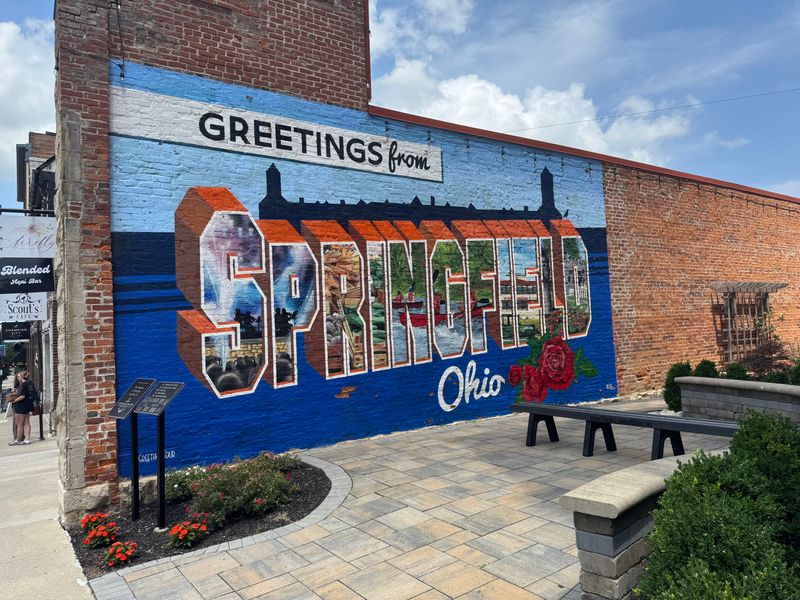
SPRINGFIELD, OH – After the Supreme Court cleared the way for the Trump administration to end temporary protected status, federal officials say Haitians in the U.S. have two options: apply to stay or leave.

On CNN’s State of the Union on June 28, Homeland Security Secretary Markwayne Mullin said migrants should seek permanent legal status or accept government assistance to return to their home countries.
“We’ll actually give you a plane ticket, plus roughly $2,100 to help you reestablish when you get there,” he said, “but temporary protective status, according to the courts and in its name itself, is not permanent status.”
Haitian residents here and immigration experts say it’s not that simple.
Saint Hillien Estimable, a Haitian resident of Springfield for three years, said he doesn’t yet have a plan.
“We can’t think. We can’t sleep. We don’t know what to do,” he said.
Haiti still in turmoil. ‘A lot of people died in my country’
Estimable does not see returning to Haiti as a viable option. In November 2025, then-Homeland Security Secretary Kristi Noem determined Haiti no longer qualified for temporary protected status, a federal designation granted to immigrants from countries facing conditions such as natural disasters or armed conflict. The State Department continues to advise Americans against traveling to Haiti, citing “crime, terrorism, kidnapping, unrest, and limited health care.”
“A lot of people died in my country,” Estimable said.
His wife walked away after an Enquirer reporter asked about the end of Haiti’s temporary protected status designation. Estimable said the topic is too distressing for her.
Neil Fleischer is a founder and partner of the Fleischer Law Firm in Cincinnati which specializes in helping clients navigate the immigration and naturalization process. He said in his 20 years working in immigration law, he’s never seen an end to a country’s temporary protected status designation while the country is still in turmoil.
“I guess it’s the president’s choice on what to do,” Fleischer said. “When there are hundreds of people without a path, when most of them have abided by the law and followed the rules and waited in line, it doesn’t seem like a just choice.”
What options do Haitian residents have?
Fleischer said some Haitian residents may have close family members who can petition for them to stay in the U.S., but the majority “probably will not have a clear path” to legal status.
Asylum applications would be difficult because to apply for asylum, applicants must prove there is a threat to them personally or to a group that they belong to, he said. Fleischer said many could face arrest or detention.
Viles Dorsainvil, the executive director of the Haitian Support Center, said there are “no good options” for another form of legal immigration status.
Getting a family member to petition for you to stay can take seven to 10 years and it’s expensive, he said. Another option for staying is to be married to an American citizen.
“I don’t know how many folks have that opportunity,” he said. “Dating now does not make any sense because automatically the person would believe that you want to date her or date him because you need a paper.”
Dorsainvil said he has not heard from any city officials about what immigration enforcement might look like in the city or if there’s a deadline when enforcement will start. Employers have advised their Haitian employees to stop coming to work by July 6, he said.
He said he hasn’t heard from any residents considering self-deportation, though the center has advised residents to consider a way to transfer assets to someone who can manage them in their place should they be forced to leave the country.
Haitian community has grown in Springfield
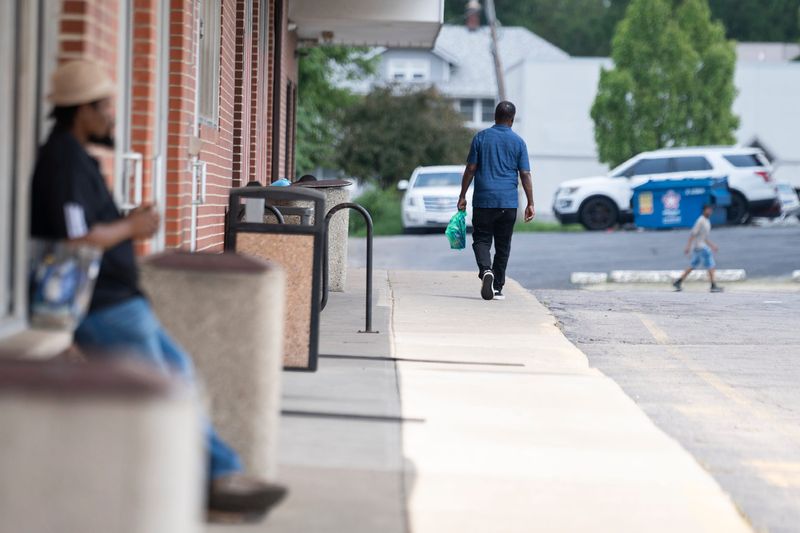
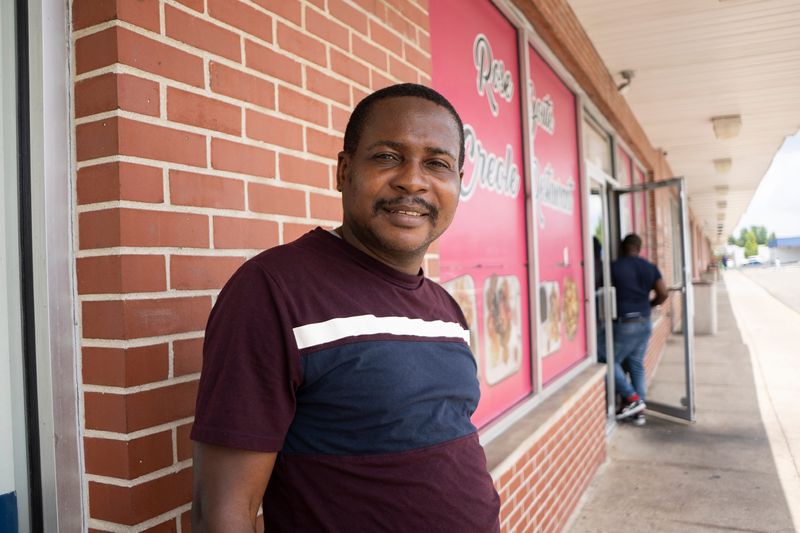
Many of the estimated 15,000 Haitians living in Springfield, a central Ohio city of nearly 60,000, were here under temporary protected status. The city now includes a Haitian support center, a restaurant and a spiritual goods store serving those who practice Vodou, with incense and statues of Catholic saints.
“There will be some disruption in the community when it comes to the factories, to the school district, to hospitals,” Viles Dorsainvil, the executive director of the Haitian Support Center, said. “Folks seem more worried and more fearful because they know that now they don’t have anything to protect them.”
Without the ability to work, Haitian residents will be more in need of help paying for rent, food, utility bills and transportation, he said.
“When they don’t have any access to work, automatically they will become miserable,” Dorsainvil said. “If they are not self-deporting, they will be there waiting for folks to assist them.”
Regional politics reporter Erin Glynn can be reached at eglynn@enquirer.com, @ee_glynn on X and @eringlynn on Bluesky.
This article originally appeared on Cincinnati Enquirer: Springfield’s Haitian residents say they have ‘no good options’
Reporting by Erin Glynn, Cincinnati Enquirer / Cincinnati Enquirer
USA TODAY Network via Reuters Connect
By Erin Glynn, Cincinnati Enquirer | USA TODAY Network