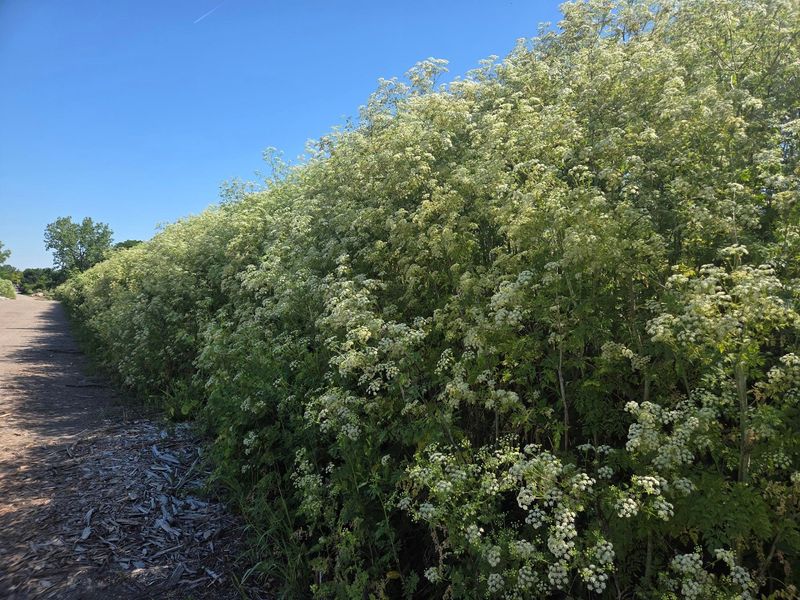
One of the deadliest plants in North America is alive and well in Greater Columbus and spreading like wildfire in areas left unchecked.
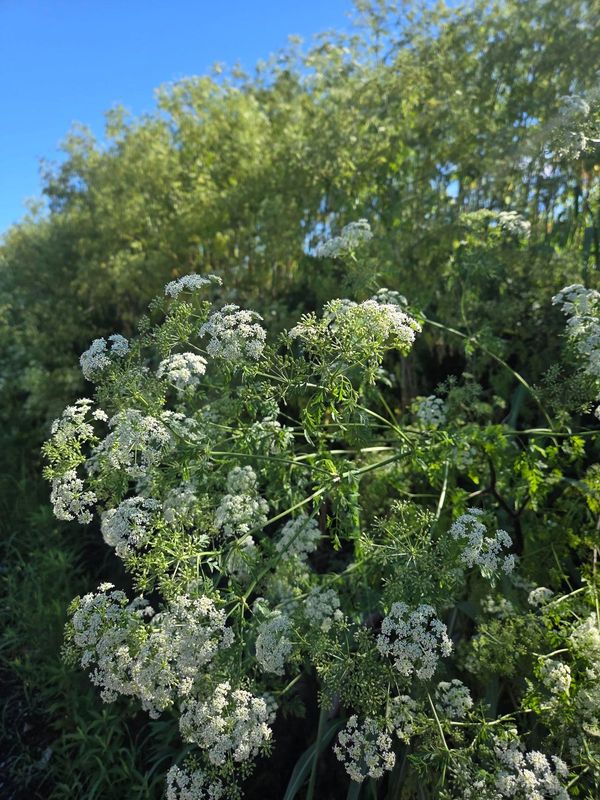
Poison hemlock (Conium maculatum) has spread throughout central Ohio over the past 10 years and is thriving along highways, railroad rights-of-way and even in alleys and vacant lots in the most densely populated neighborhoods in Columbus.

Additionally, this spring, many homeowners from throughout Greater Columbus have reported finding this scourge in pollinator gardens, wildflower plantings and other less intensively managed areas of gardens and home landscapes.
Early detection and removal of this plant before seeds are dispersed is critical to preventing a larger infestation.
Dangerous plant
Poison hemlock is one of the deadliest plants found in North America, containing highly toxic piperidine alkaloid compounds which cause respiratory failure and death in mammals. Historical records indicate that Socrates was killed when he consumed food or drink laced with poison hemlock, causing respiratory failure and rapid death.
While all parts of the plant are toxic, unlike other poisonous plants, the toxins must be swallowed or enter the body through the eyes, nasal passages or cuts in the skin to induce poisoning. This plant should never come into contact with bare skin because sap from the plant transferred to skin can be accidentally rubbed into the eyes or ingested while subsequently handling food. Immediate medical attention is warranted if accidental poisoning from this plant is suspected.
The toxins found in poison hemlock do not cause skin rashes or blistering. Many individuals mistake poison hemlock for wild parsnip (Pastinaca sativa L.), which contains a phytochemical called psoralen, which can cause severe skin blistering, burn-like symptoms and skin discoloration.
Many times, wild parsnip can be found growing in the same location as poison hemlock, leading someone to believe that it was exposure to poison hemlock that caused a skin rash or blistering, when in fact it was contact with wild parsnip.
Source of seed dispersal
While birds and small mammals spread poison hemlock seeds, the plant does not have a highly evolved mechanism for long-distance dispersal. Most seeds drop close to the parent plant leading to dense clumpy infestations.
A single mature poison hemlock plant can produce more than 30,000 seeds, which accounts for the overwhelming density of the plant when left undisturbed.
Surface water runoff, movement in streams, rodents and human activity such as mower or vehicle tires can also aid the dispersal of the seeds.
Control options
The best time to control poison hemlock is when the plants are in the leafy rosette stage early in the spring. At this point in the growing season, poison hemlock has begun flowering, and removing the plant, or at a minimum, the seed head before the plant sets seeds will be critical in preventing a much larger infestation of the plant.
If you find a single plant or a small clump of these plants in your garden or landscape, removal by hand is easiest, particularly if the plant is growing among desirable plants. First, cut the flower heads and drop them into a plastic trash bag. Then dig out the entire plant including its long white taproot and place the entire plant in a plastic trash bag.
For larger infestations, chemical control with a contact herbicide is the safest and most efficient strategy in early summer. Contact herbicides containing active ingredients such as glyphosate or triclopyr should be used. Always follow all label directions when using herbicides.
Herbicide applications are sometimes less effective on larger poison hemlock plants. If the foliage of plants treated with a contact herbicide after one or two applications does not turn brown and wilt after several days, a direct stem treatment with an herbicide may be more effective.
To apply a direct stem treatment, cut the stem of the plants near the base, dispose of the plant in a plastic bag and then apply a concentrated solution of glyphosate or triclopyr onto the freshly cut surface of the stem.
Critical safety precautions
Always wear protective gear when working with poison hemlock. Always wear gloves, eye protection, a long-sleeve shirt and long pants. Even though the sap does not cause a rash, it is extremely toxic if rubbed into the eyes, nose or ingested. Immediately wash clothing separately from other laundry after working with poison hemlock.
Do not put any portion of poison hemlock plants into yard waste bags or compost piles. Place the plant material in a plastic trash bag and dispose of it with household trash. Never burn poison hemlock, as doing so can release highly toxic toxins into the air and nasal passages.
Managing vegetation is critical after control
Keep in mind that when you kill poison hemlock, it will open up the area for increased germination of other weed seeds, some of which may also be invasive, non-native and undesirable substitutions for the vegetation which you are controlling, including new seedlings of poison hemlock!
Depending upon the type of landscape setting where poison hemlock is being controlled, you may want to overseed these areas with desirable grasses, or even wildflowers depending upon the landscape setting.
You will also need to inspect these areas in early spring in subsequent years for any seedlings which germinate from poison hemlock seeds in the soil. Poison hemlock seedlings which germinate in subsequent years can be spot treated again with a contact herbicide as early in the spring as possible.
Mike Hogan is Extension Educator, Agriculture & Natural Resources and associate professor with Ohio State University Extension. He can be reached at hogan.1@osu.edu.
This article originally appeared on The Columbus Dispatch: Remove poison hemlock to prevent further infestation
Reporting by Mike Hogan, Special to The Columbus Dispatch / The Columbus Dispatch
USA TODAY Network via Reuters Connect
By Mike Hogan, Special to The Columbus Dispatch | USA TODAY Network