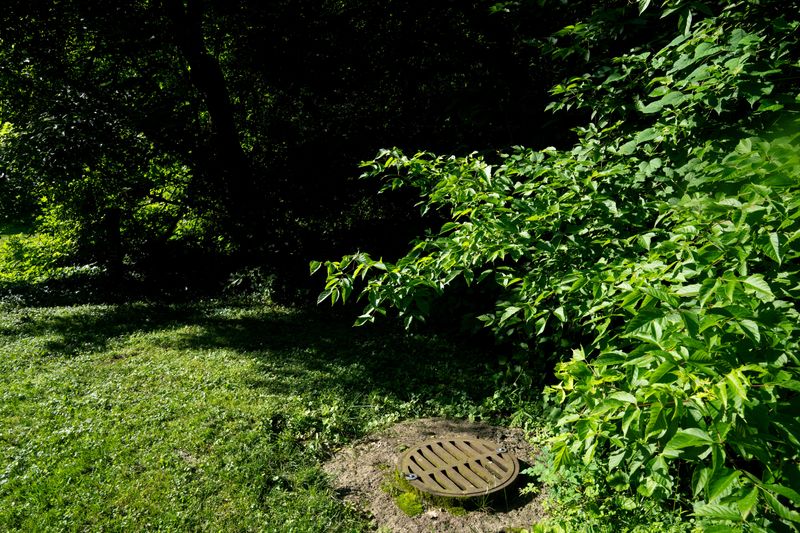
In June, University of Cincinnati researchers discovered “dangerously high levels” of E. coli in Burnet Woods soil – raising public health concerns. Since then, city departments have worked with researchers to plan for further sampling.

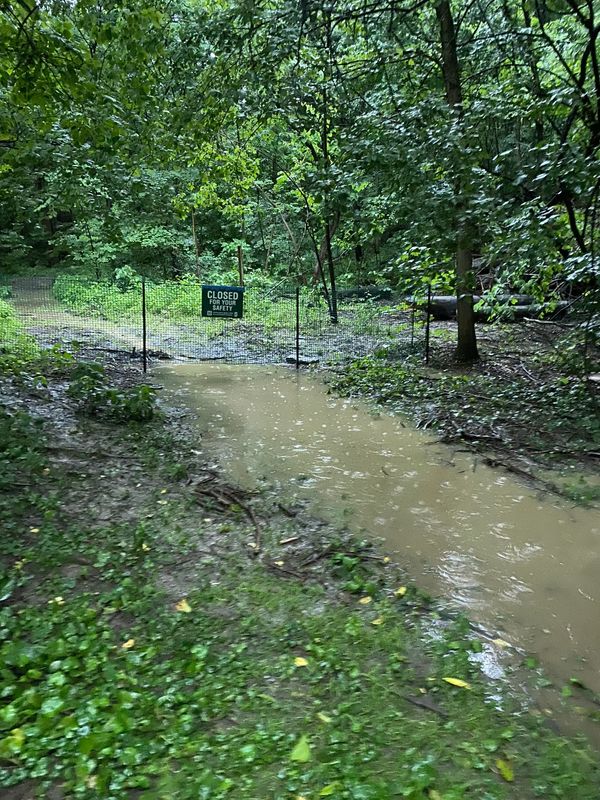
According to the sewer overflow tracker on the Metropolitan Sewer District website, there have been three overflows in the valley behind the Burnet Woods trailside nature center so far this year: one in April, a second in June and a third in July.
Construction is well underway for the controversial dog park project in Burnet Woods. But researchers worry it will make sewer overflows even more frequent.
Here’s what you need to know.
Why are these overflows bad for public health?
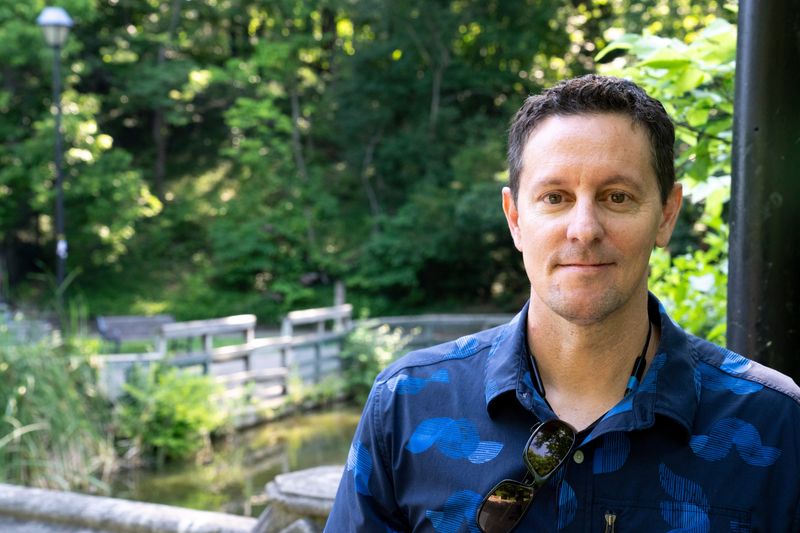
Bob Hyland, a researcher involved in the Burnet Woods sampling projects, said he loves the park.
Hyland spends a little bit of each day there, but he does not feel safe going down into the valley for at least three days after moderate to heavy rain.
A 2017 study found that sewer overflows in Cincinnati were associated with a 16% increase in Cincinnati Children’s Hospital emergency department visits for gastrointestinal illnesses among children who lived within 500 meters of the sewer.
Overflows aren’t the only thing researchers are worried about. E. coli being found in dry soil samples is even more concerning.
Why do sewer overflows keep happening?
Hyland believes the overflows are caused by a taxed combined sewer system. The sewers underneath Burnet Woods, and throughout Cincinnati, take in both sewage and stormwater.
The sewers are also old. The city told The Enquirer in June that some pipe segments running underneath Burnet Woods were installed as far back as the late 1800s. Newer segments were installed in the 1990s.
“What we now are feeling more confident about, but want to do more research to build our confidence, is that the pipe is probably compromised,” Hyland said.
What has the city done about the overflows?
In June, a spokesperson for the Cincinnati sewer district said it would take “immediate steps” to conduct additional tests and investigate the source of “potential contamination” within the park.
The sewer district hasn’t conducted additional testing this summer but officials have worked on a plan for further research to begin later this fall with help from University of Cincinnati students.
In an email sent to The Enquirer on Sept. 5, Ken Petren, UC interim director of the center for field studies, said he had reviewed the proposed research plan that week.
He said the plan needs “substantial revision to address the main question of identifying the source of E. coli we found,” and he provided comments to the city officials who put the plan together.
Cincinnati Parks created standard operating procedures for sewer overflows in the Burnet Woods Valley in February and first used them after the overflow in April this year. They include:
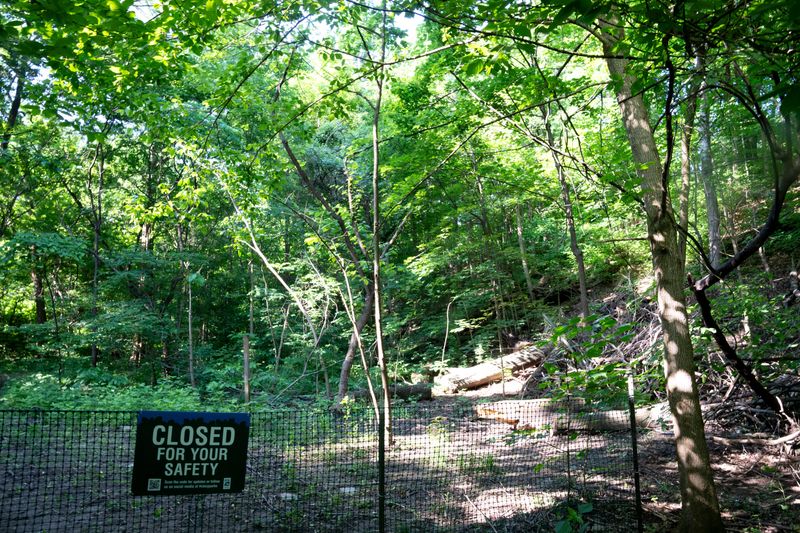
On June 11, Cincinnati Parks staff roped off the area the researchers sampled.
As of Sept. 2, the area was still roped off. The valley that becomes flooded with sewage and stormwater overflow is still accessible.
There are signs at every entrance into the valley that state the valley is being “monitored for harmful bacteria that may discharge during and after rainfall.”
Will the dog park make the problem worse?
As of Sept. 8, the dog park is not yet open to the public. Parks spokesperson Rocky Merz didn’t have an opening date but said the park will open soon.
Since 2022, when Cincinnati Park Board chose Burnet Woods as their favored site for a dog park, Burnet Woods activists have been pushing back. Researchers have concerns, too.
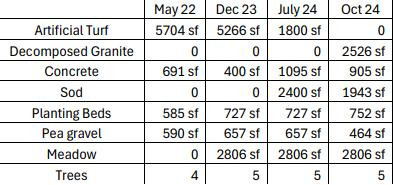
Petren said if the completed dog park includes impermeable surfaces, then it will contribute to the problem of urban stream issues.
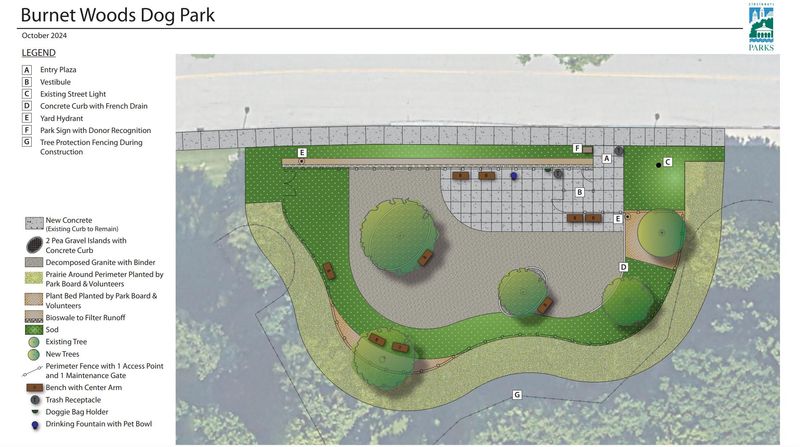
Waste is also a concern to researchers. The dog park is only about 100 or 150 feet away from the park’s valley. Instead of dogs urinating and defecating throughout the park, they will be doing so in a much more concentrated area.
“There’s plenty of research in the literature that shows that concentrated dog waste is very harmful or stressful to urban ecosystems,” Hyland said.
Merz said storm water infrastructure to control runoff had already been in place before construction for the dog park began, but that the project also includes additional storm water control through an added drain, 300 plants including those with deep-root systems and three additional trees.
Merz said the design for the dog park was modified at several points along the way after receiving feedback. Changes include:
What’s the long-term solution to Burnet Woods’ sewage overflow?
There is a plan to take pressure off of the combined sewer system under Burnet Woods by separating the sanitary sewer and stormwater drainage lines, according to an interactive project map created by the city.
That project is in the planning phase. Construction is set to begin in 2041.
“I know that there’s not always easy solutions and I know a lot of groups are wrestling with what to do, but clearly, they need to be nudged farther on the cautious side.” Petren said.
Enquirer reporters Betsy Kim and Patricia Gallagher Newberry contributed to this report.
This article originally appeared on Cincinnati Enquirer: ‘Public health issue’: What’s being done about the high E. coli levels in Burnet Woods?
Reporting by Gillian Stawiszynski, Cincinnati Enquirer / Cincinnati Enquirer
USA TODAY Network via Reuters Connect