Editor’s Note: This is the final installment of Photographer Mike Schenk’s feature on the Master Gardener Volunteers. Mike has spent 10 weeks in the class, participating and documenting.
For 10 weeks, participants in the Master Gardener Volunteer program have had an intensive education on a variety of topics.

From soil tests to plant diagnostics and student-led presentations, the program wrapped up recent sessions with hands-on lessons in everything from herbs and weeds to lawn care and wildlife-friendly gardening.
CLASS SEVEN
Week seven started with a class led by Dr. Matt Kleinhens on vegetables and ways to help grow healthier plants for a better harvest.
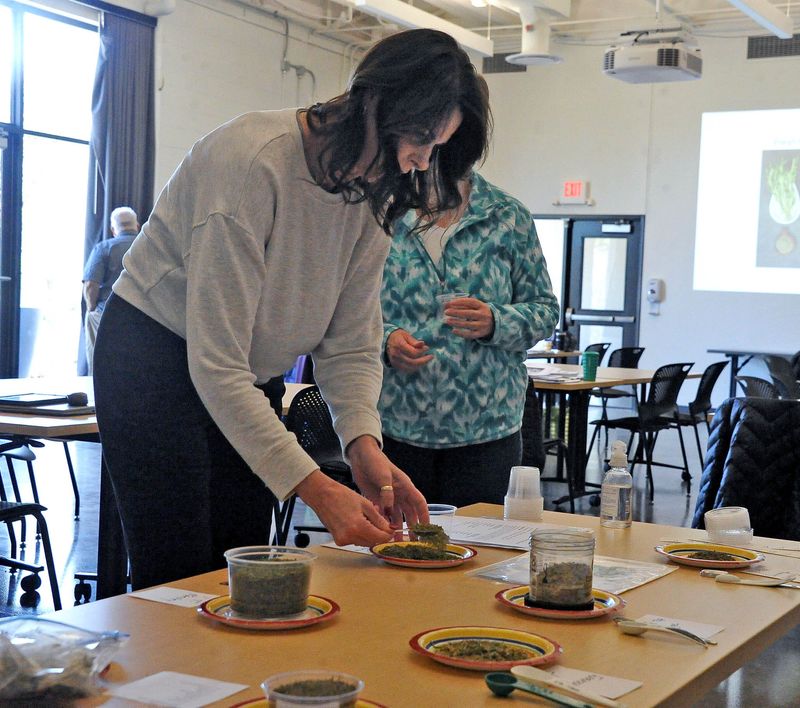
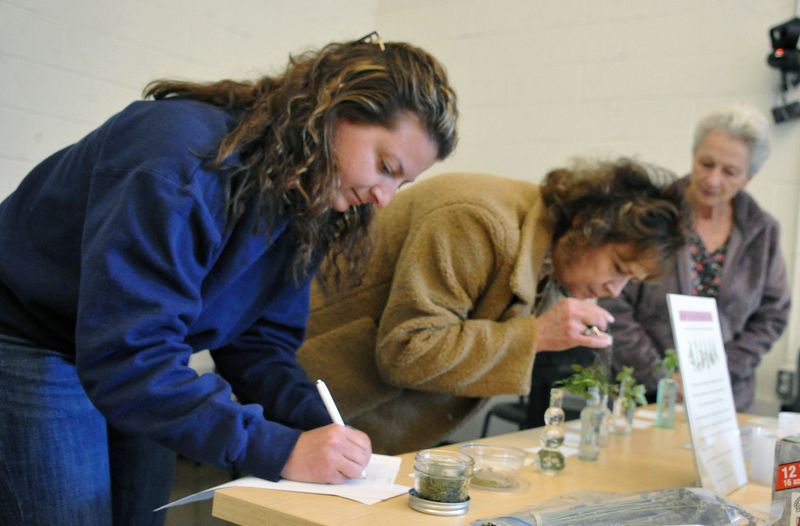
The second class was all about herbs and spices with instructor Susan Heady. She brought dried herbs and recipes to use them.
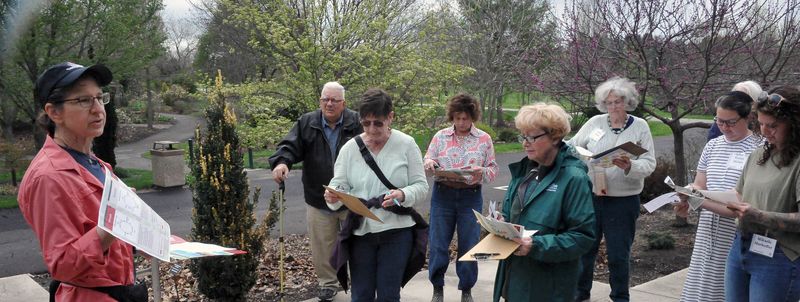
The day ended with a short walk in the arboretum to see what plants were starting to emerge for the year.
CLASS EIGHT
Class eight started by looking at soil test information and comparing it with the soil samples taken in week 1 at class members’ homes and sent to a lab to be analyzed. Class members were able to check the results for the plants they requested.
The second class was a weed walk through the arboretum with past Master Gardener Volunteer Cathy Herms. With just under 30 weeds on her list all but a few were found lurking in the arboretum.
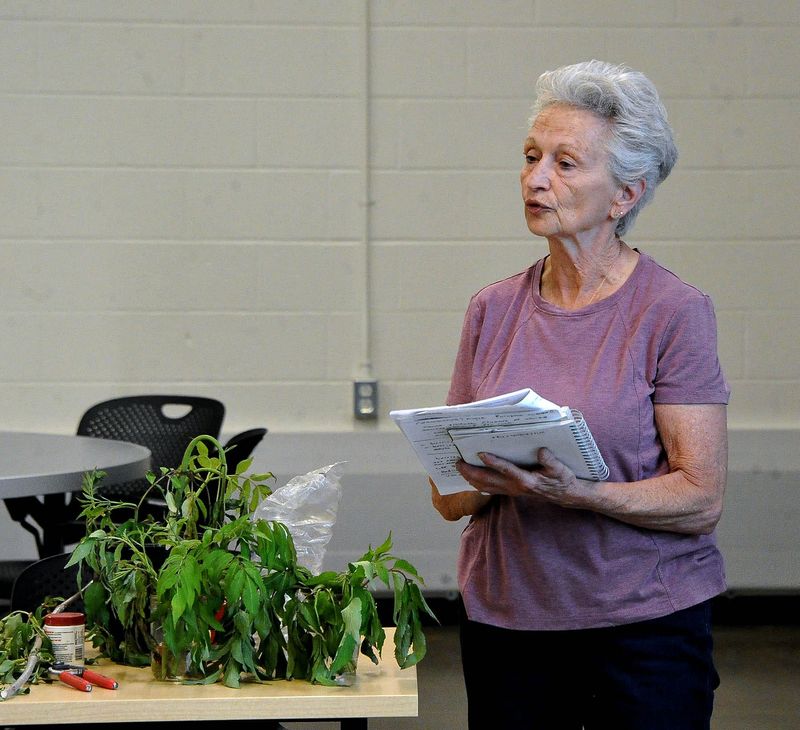
The afternoon class was led by Dr. Pam Bennett on Herbaceous Ornamentals, or plants that do not have woody tissue and die back to the ground over winter. The class also covered growing habitats that would attract birds and good wildlife. Bennett also revealed the real reason hummingbirds like the color red.
CLASS NINE
Class 9 started with half the class presenting their 15-minute presentations on topics from hummingbirds to Eastern Hemlock trees in Ohio. A short question and answer period followed each presentation.
A quick field trip to the campus plant diagnostic center, headed by Dr. Francesa Rotondo to see how diseased plants are examined to determine what the plant’s problem is and how to correct it.
Following that was a presentation on Fresh Produce Safety or Good Agriculture Practices (GAPS) for Master Gardener Volunteers. This was new this year and highlighted ways to keep food, gardening tools and people safe.
CLASS TEN
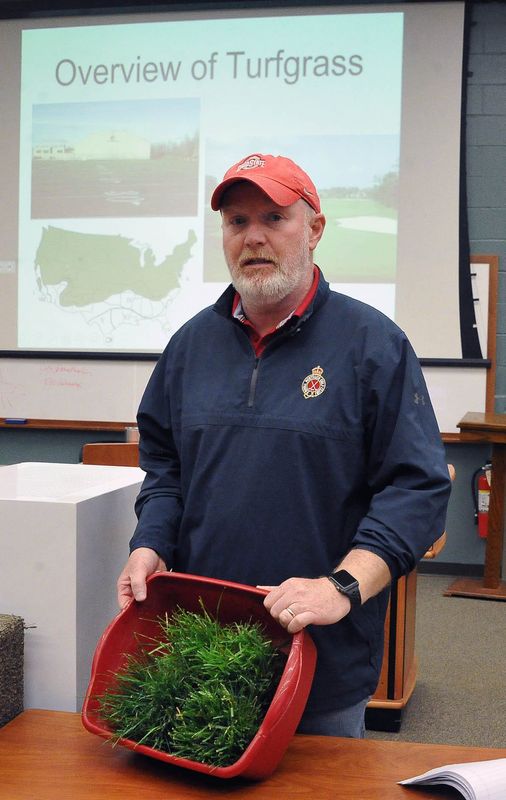
Class 10 started with a number of lasts. The last open book quiz of the course was on lawns, followed by a field trip to the Agricultural Technical Institute (ATI) for the last class on lawns led by Dr, Ed Nangle. One of the points he presented was that a lawn should be cut at 3 inches or higher. The quality of the grass will be better and taller grass will help in controlling weeds.
After a lunch from Panera, it was time to hear the last of the 15-minute presentations from carnivorous plants to raised garden beds.
The 10-week course for the Master Gardener Volunteers concluded with a tour of the arboretum which included a walk to the Dawn Redwood grove.
After completing the 10-week course there is only one thing left for the Master Gardener Volunteers to do:
So, READY, SET, GROW!
This article originally appeared on The Daily Record: Master Gardener volunteers complete intensive 10-week course
Reporting by Michael Schenk, Wooster Daily Record / The Daily Record
USA TODAY Network via Reuters Connect