Amid concerns that federal immigration authorities could access Columbus’ license plate camera data, as they have elsewhere, the Division of Police has clarified how it’s restricting data sharing.
The Division paused nationwide sharing of its Flock Safety license-plate reading camera data on June 3rd, according to Sgt. James Fuqua, a Division spokesperson. At the same time, Columbus Police kept sharing one-to-one with vetted agencies but revoked one-to-one sharing with any law enforcement agency that the Department of Homeland Security lists as having a 287(g) agreement to work with U.S. Immigration and Customs Enforcement.

Columbus is still sharing its data with a statewide search network, according to Fuqua. So any agency that can access that statewide network, even if they have a contract with ICE, could access Columbus’ data.
Columbus’ move to restrict data sharing came after Dayton suspended its Flock program entirely because the police department there discovered Dayton’s data was accessed for immigration-related searches thousands of times. Then at a June 1 Columbus City Council meeting multiple members raised concerns about Flock. At that meeting, Columbus City Councilmember Emmanuel Remy announced he’d asked the Division of Police to audit its Flock system to make sure data isn’t getting to immigration authorities.
Remy, who chairs the public safety committee, told The Dispatch on June 22 that the restrictions on data sharing are a good step forward by the police and he’s still hoping for an audit to be completed by the end of July.
“I’m appreciative they’ve reacted to what we’ve asked for and that is just making sure we’re closing any potential loopholes for our residents through the technology,” Remy said.
Just days after the Division of Police changed who it shares data with, The Dispatch asked the Division on June 6 to confirm whether they had done so. Sgt. Joe Albert, another Division spokesperson did not confirm the change until nearly a week later on June 12. The Dispatch then asked follow-up questions about how data is being shared and only received answers on June 19.
The Division of Police has been slow to answer questions. In May, The Dispatch requested records that would answer questions about how the city’s Flock data is being shared. The division has not yet provided those records.
Who can access Columbus’ Flock data?
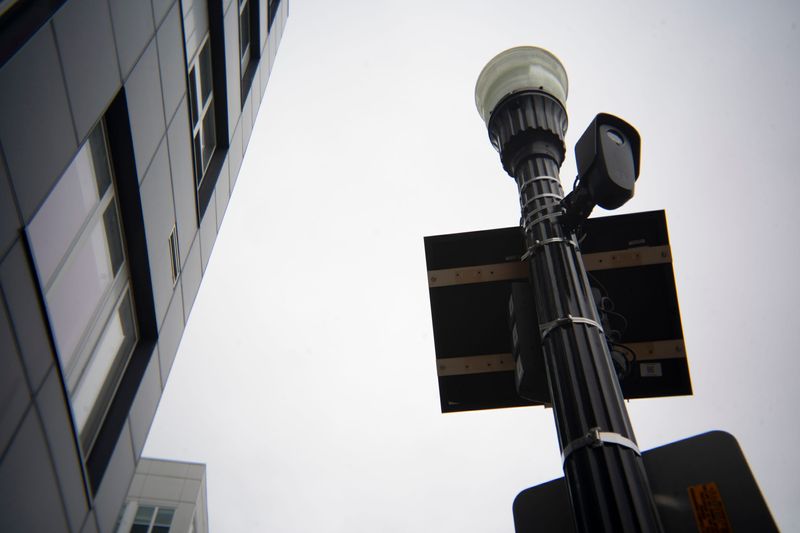
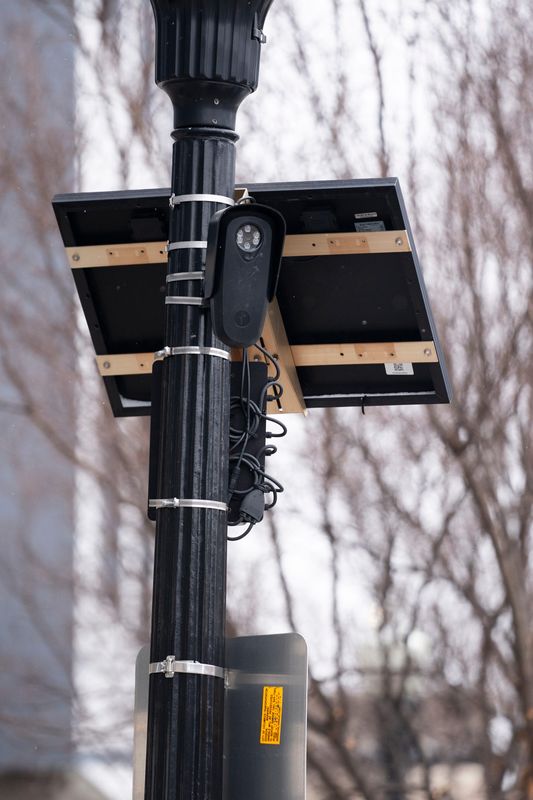
Since 2024, Columbus has contracted with Flock Safety for automated license plate-reading cameras that capture plates and data about vehicles as they pass. Flock has cameras in thousands of U.S. cities, including some Columbus suburbs. Authorities search license plate data for leads and Columbus police leaders say these cameras have been one of the most successful tools for solving crimes. Columbus has nearly 50 Flock license plate-reading cameras.
But Flock has come under fire in some cities after news reports on Flock data being searched for immigration enforcement purposes.
In order to search a national network of law enforcement agencies sharing Flock license plate data, a department must opt into reciprocally sharing its data. That’s what Columbus has now opted out of. But it is still in a statewide sharing system for Ohio.
Fuqua said the Columbus Division of Police has asked Flock to make changes to its platform that would allow Columbus to stop sharing with any agencies with 287(g) agreements with ICE.
The Columbus Division of Police previously opted into a filtering feature in December meant to block searches related to immigration or abortions. But that doesn’t prevent someone searching the system from lying and entering a different reason from their search.
Paris Lewbel, a spokesperson for Flock Safety, told The Dispatch in an email:
“We respect that cities are evaluating how public safety tools should be governed. These conversations should be grounded in facts: who can access data, how searches are audited, what controls agencies have, and what safeguards exist to prevent misuse. Agencies can choose to share, or not share, with any other agencies on a 1:1 basis — they do not have to share with any agencies who do not align with their policies.”
Government and politics reporter Jordan Laird can be reached at jlaird@dispatch.com. Follow her on X, Instagram and Bluesky at @LairdWrites.
This article originally appeared on The Columbus Dispatch: Columbus police detail Flock data sharing limits amid ICE concerns
Reporting by Jordan Laird, Columbus Dispatch / The Columbus Dispatch
USA TODAY Network via Reuters Connect
By Jordan Laird, Columbus Dispatch | USA TODAY Network