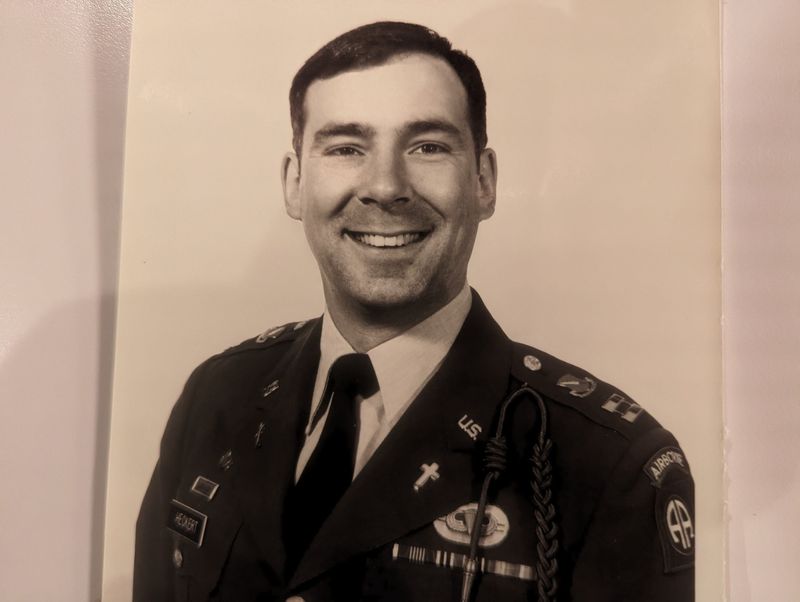
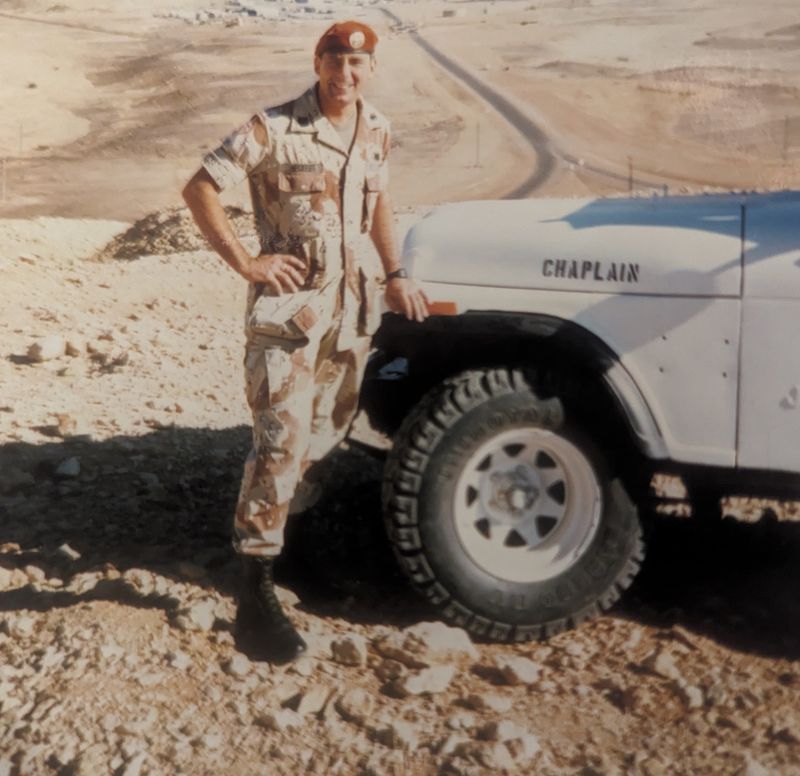
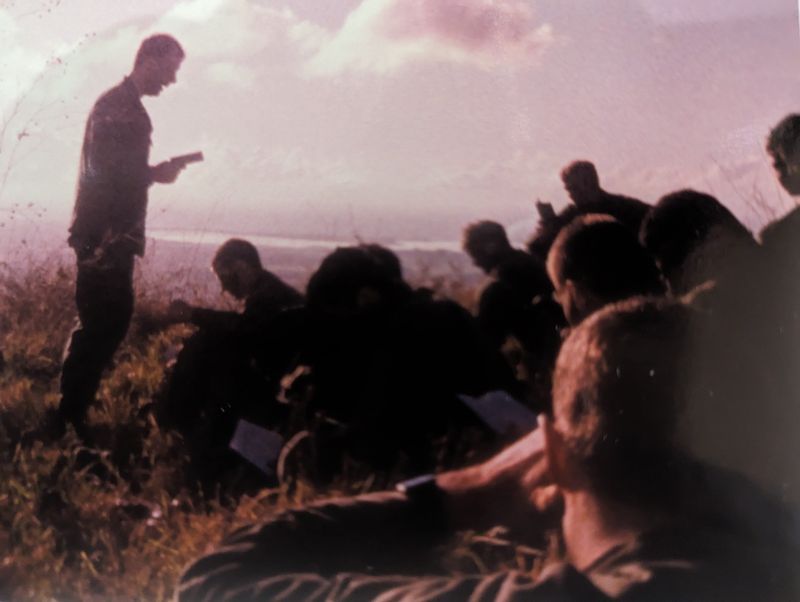
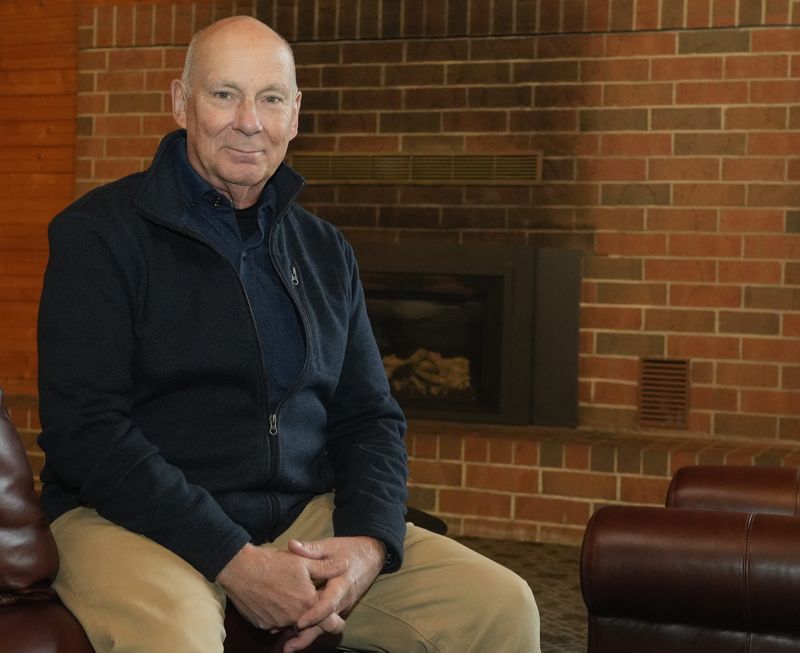
CANTON − Long before he ministered to students at Malone University, the Rev. Randy Heckert held worship services in jungles and deserts.
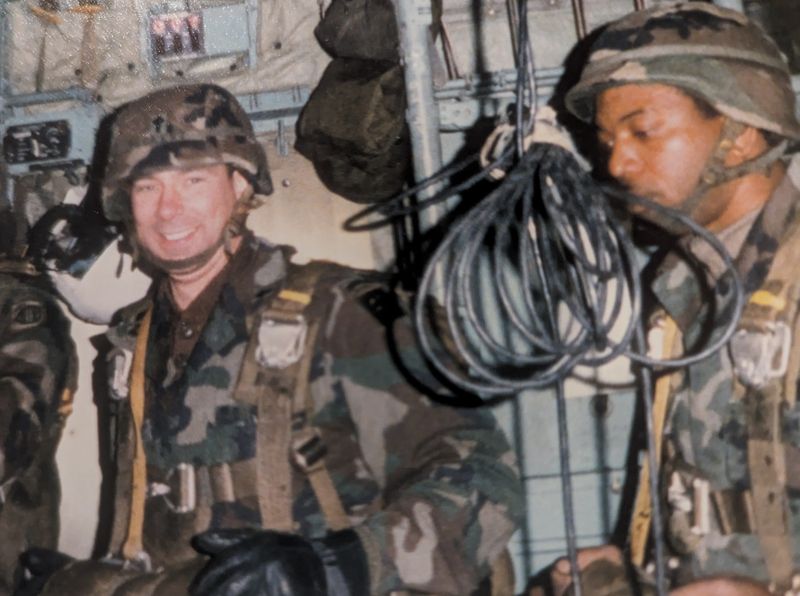
He parachuted from planes with the U.S. Army’s famed 82nd Airborne and underwent the same boot-camp regimen alongside recruits nearly 10 years his junior.

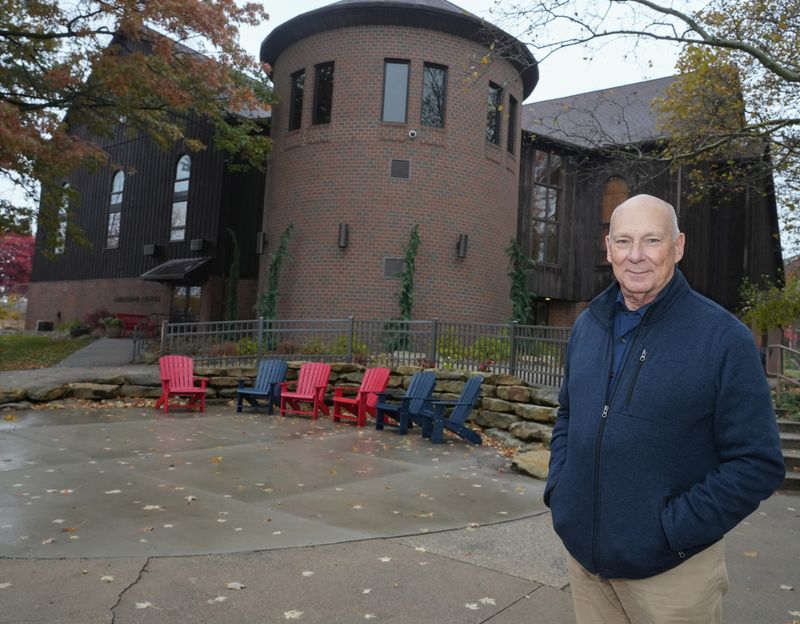
The former Army chaplain will be the keynote speaker at 7 p.m. Nov. 11 at a free Veterans Day concert at Malone’s Worship Center in the Johnson Center at 2600 Cleveland Ave. NW.
“I’m going to be reminding veterans what we know, what we’ve come to know, and what we’ve learned about sacrifice and service,” Heckert said. “And so it’s really to talk to the vets about our shared experiences, but also to increase the awareness of what vets have gone through, and why they deserve our gratitude. A lot of people take it for granted or they’ll say a quick, ‘Thank you,’ when they see a vet. But what I like to do is tell stories of what soldiers go through.”
The second annual concert will feature the Malone Symphonic Orchestra conducted by Justin Dye, Malone’s new band director.
“We’re going to do a salute to America’s finest, which is a medley of all the armed services’ songs,” Dye said. “We’ll recognize all the branches in the military and have any veterans in the audience that might be there stand.”
Dye said the orchestra will get a boost from band alumni and volunteer musicians from the community.
“I tell the students that music is our gift,” Dye said. “It’s the best way we can give back.”
Heckert was commissioned as an Army captain and chaplain, serving from 1982 to 1988. He was Malone’s campus chaplain from 1997 until his retirement in 2015, and previously served on Malone’s board of trustees. He also previously was director of leadership development for the Evangelical Friends Church’s Eastern Region.
“I grew up watching war movies on Sunday afternoons with my dad,” he said. “He was an Air Force veteran.”
The Crestline native said he was so enamored with the military that he applied for and received a congressional appointment to West Point, but eventually declined it to stay closer to his future wife, Kathy. He opted instead for a swimming scholarship at Youngstown State University.
Chaplaincy: Going where the soldiers are
“It was at Youngstown State when I started to get serious about God,” he said.
Heckert was raised United Methodist, but eventually joined the Evangelical Friends (Quaker) church. His first pastoral assignment was in 1981 in Deerfield. Shortly afterward, he was contacted by his supervisor and a colleague about an opening in the Army chaplaincy.
“The guy who asked me knew about my West Point dream,” he said.
Heckert said he underwent officer training for six weeks at the former Fort Monmouth in New Jersey, noting that he was yelled at by drill instructors, just like the others.
“They try to get you to quit,” he said with a laugh. “I was 30. I was the ‘old man.'”
Heckert’s deployments included Fort Bragg; a field artillery battalion in Fort Sill, Oklahoma; Puerto Rico; six months in Egypt; and Fort Benning, Georgia, where he underwent parachute training, also known as “jump training.”
“In the Army, you go where the soldiers are,” he said.
Heckert said the biggest difference between civilian and military ministry is “learning how to survive in an ecumenical atmosphere.”
“A military chaplain has to be able to provide ministry to all religions,” he said. “But it still freed you up to be a Christian minister. I could have Bible studies. I was free to do anything I wanted, but if we were in the field deployed somewhere, I had to provide a priest for Mass or a rabbi for Jewish students and soldiers. I had to be in tune with all religions. I loved it. It was like a mission field with different cultures.”
Heckert said interest in military careers undergoes changes in popularity. Currently, there are just 2.3 million active-duty personnel and reservists in America.
‘A ministry of presence’
“I think our interest in our national culture ebbs and flows,” he said. “After 9/11, our churches were overflowing. I think it’s busy-ness and other distractions which pull our attention.”
Heckert said the most rewarding thing about military chaplaincy is that it is a “ministry of presence,” best exemplified when he served members of the 82nd Airborne who had trouble jumping.
“It just gets in their head and it actually almost paralyzes them to where they refuse to jump, and of course in the 82nd, you’re paid to jump,” he said. “So, if you don’t jump, you get court martialed.”
Heckert said in those cases, their superiors would send the soldiers to him.
“So, I would say, ‘All right, if I jump with you, will you jump?’ I was a lucky rabbit’s foot. Whenever I was on a plane, everybody would say, ‘Oh, we’re not going to crash tonight, the chaplain’s on board.’ And they would sometimes fight to see who was going to jump with me, either behind me or in front of me,” he said. “You know, whatever it takes to get you out that door. And that was an example of the ministry of presence.”
Heckert said he also devised a way to minister to snipers and scout platoons.
“They’re in their camouflage; they’re not supposed to be detected,” he said. “I’d get a grid coordinate from the headquarters and I’d go find them. They’d say ‘How did get out here, chaplain? How did you find us?’ I’d say, ‘Well that’s part of my training. We have to find you and be with you.’ So I’d have a service for them out there in the middle of a jungle somewhere and serve them Communion and they thought that was the coolest thing, so that was that was very rewarding.”
Heckert said he left the Army because at some point he would have been assigned to desk duty.
“I wanted to be with the soldiers,” he said.
Heckert made military history as the first Quaker to receive a chaplain’s commission from the Army.
“I tell people I’m a 99.9% pacifist,” he said. “I hate war. I hate it. It’s insanity but we always have to be ready for a Hitler, an Idi Amin. There are times when we have to protect the oppressed.”
Reach Charita at charita.goshay@cantonrep.com. On Twitter: @cgoshayREP.
This article originally appeared on The Repository: Boot camp, jungles, and parachuting. Reverend shares what it’s like to be an Army chaplain
Reporting by Charita M. Goshay, Canton Repository / The Repository
USA TODAY Network via Reuters Connect