Seven years after New York passed the Housing Stability and Tenant Protection Act, tens of thousands of rent-stabilized units have been reported vacant, exacerbating the state’s housing shortage, according to landlords and state data.
Some landlords say limits on rent increases, paired with continuing increases in operating costs, have left them under financial strain with few options, leading some to keep units vacant.

They are urging state lawmakers to amend the law, particularly by offering incentives for capital improvements or allowing greater flexibility for rent increases.
The stakes are crystal clear as the number of vacant rent-stabilized units in New York has increased by 51% since 2019 to 59,000, according to the state Division of Housing and Community Renewal.
Meanwhile, tenant advocates are calling for a rent freeze, with a heated debate over their stance expected to begin in coming weeks.
Why landlords are urging changes to the state’s rent-stabilization law
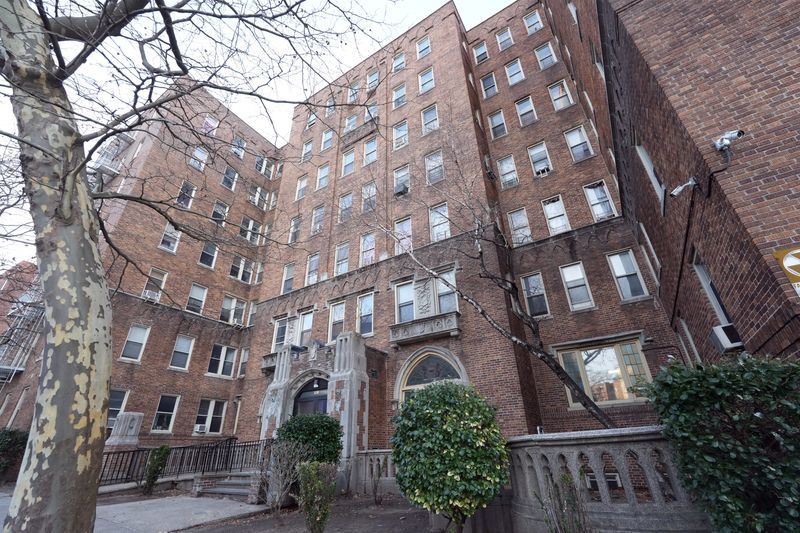
New York state’s rent-stabilization law, known as the Emergency Tenant Protection Act, generally covers residential buildings with six or more units built between 1947 and 1974. In 2025, about 1 million units were registered statewide, including 29,363 in Westchester County and 2,231 in Rockland County.
The Housing Stability and Tenant Protection Act, passed in 2019, strengthened renter protections and narrowed landlords’ ability to raise rents, including by eliminating vacancy bonuses and limiting how improvement costs can be passed on to tenants.
Seven years later, landlords say modest rent increases have not kept pace with rising costs. Some say they have kept units vacant because the expected return does not justify the cost of repairs.
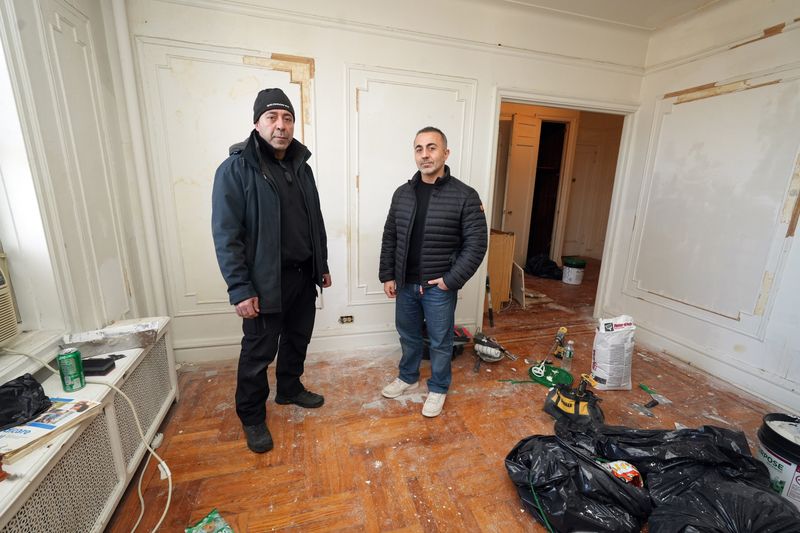
Michael Nukho, a property manager at GEM Management Partners, said more than 20 rent-stabilized units he manages in Yonkers are currently vacant, mainly due to the high cost of repairs, from fixing broken doors to bringing properties up to code that could total $240,000.
A letter he sent to state Senate Majority Leader Andrea Stewart-Cousins, D-Yonkers, on behalf of the Westchester Owners’ Association called for the state to provide incentives for property improvements or allow a capped increase upon vacancy.
“It’s a big burden to take the risk on remodeling vacant units without guaranteed returns. Nevertheless, you have to have the money to ring around,” said Nukho, treasurer of the Westchester Owners’ Association.
“The politicians think they’re helping the tenants, but how are they helping them by essentially creating a set of laws that force them to live in dire conditions,” he added.
Albany weighs changes to rent law
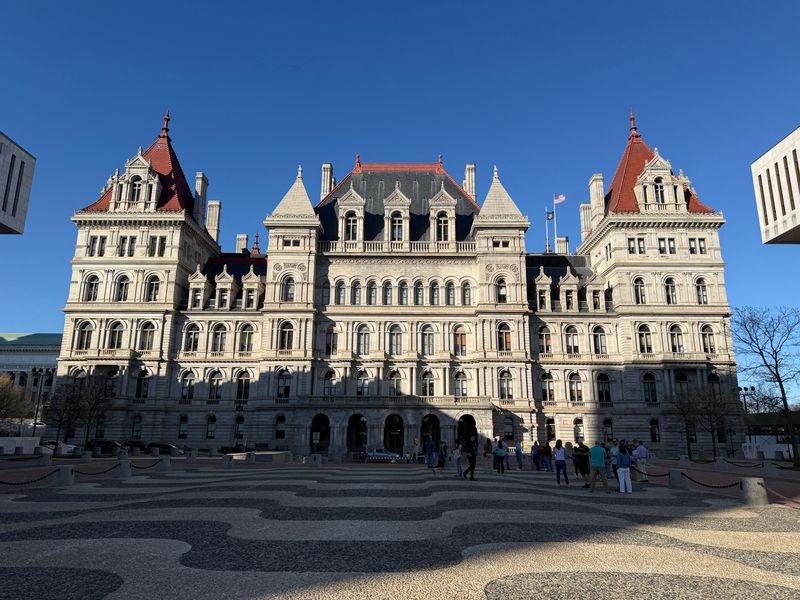
When the law passed in 2019, it signaled a seismic shift in Albany’s power balance. It was approved by the state Senate and Assembly dominated by Democrats and signed immediately by then-Gov. Andrew Cuomo, despite outcry from landlords warning it would discourage investment in properties and erode jobs.
Sen. Brian Kavanagh, a Lower Manhattan Democrat who chairs the Housing, Construction and Community Development committee, did not respond to an inquiry regarding potential solutions the state may offer to address the issue.
Stewart-Cousins declined to comment, but she said at an event in March organized by the Building & Realty Institute of the Hudson Valley that she would look into the possibility of convening a temporary commission to evaluate how the 2019 law has affected housing supply, building conditions and tenants.
State Assembly and Senate members have proposed bills aimed at encouraging renovations to rent-stabilized properties, including by offering tax credits or allowing rent increases for major capital improvements. However, the bills have yet to progress in the Legislature.
Assemblymember Matt Slater, R-Yorktown, said the current law prevents landlords from investing in properties and has had a significant impact on housing stock statewide.
“When we talk about what is the solution for housing crisis in New York, this has to be, in my opinion, the conversation to have first,” Slater said. “We can’t forget that we have all those units sitting there that with the change of policy and supporting these property owners you can fill 50,000 units.”
Debates over rent increases, rent freezes heating up in NYC, Westchester
Rent control has long been a contentious issue across New York. The debate has been particularly heated in New York City, where recently elected Mayor Zohran Mamdani, a Democratic socialist, promised a rent freeze during his campaign.
Rents for those units are set by a rent guideline board, which votes each year on allowable increases. The board is tasked with balancing protections against excessive rent hikes while keeping landlords afloat. Mamdani has appointed six of the board’s nine members, who have begun weighing a rent freeze for New York City’s roughly one million rent-stabilized apartments.
In Westchester, members are nominated by the County Board of Legislators and appointed by the New York State Division of Homes and Community Renewal, including two tenant representatives, two property owner representatives and five public members.
In 2025, the board approved a 2% increase for one-year leases and 3% for two-year leases signed between Oct.1, 2025 and Sept. 30, 2026. It irked both landlords and tenants: Tenants had pushed for a rent freeze, while landlords argued the modest increases still prevent them from making essential capital improvements.
The first public hearing is scheduled for May 28 at 7 p.m. at New Rochelle City Hall, kicking off a monthslong discussion and deliberation before the board vote on June 24.
Helu Wang covers economic growth, real estate and education for The Journal News/lohud and USA Today Network. Reach her at hwang@gannett.com and follow her @helu.wangny on Instagram.
This article originally appeared on Rockland/Westchester Journal News: Why landlords say NY rent control law is fueling housing shortage
Reporting by Helu Wang, Rockland/Westchester Journal News / Rockland/Westchester Journal News
USA TODAY Network via Reuters Connect