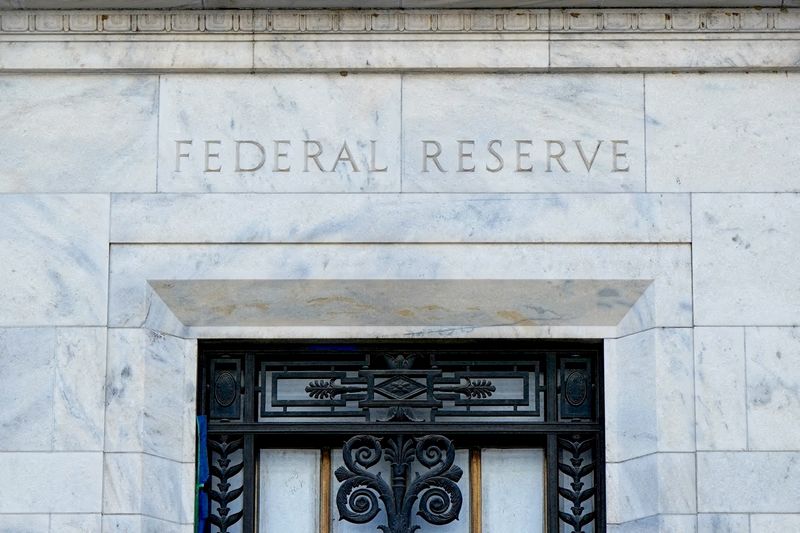
May 4 (Reuters) – Barclays on Monday joined a growing list of brokerages to bet on no policy easing from the U.S. Federal Reserve this year, citing prolonged high energy prices linked to the Iran war that are likely to keep inflation elevated.
The British brokerage had previously forecast a 25‑basis‑point rate cut in September 2026. It also retained its forecast of a quarter point reduction in March 2027.

Global brokerages have steadily pulled back from early-year expectations of two U.S. interest rate cuts in 2026, with forecasts sharply split between some easing and no cuts at all this year, due to war-related inflation risks that are making policymakers cautious.
Last week, the Federal Reserve left interest rates unchanged in its most divided decision since 1992, on deepening concerns about higher energy prices percolating through the economy.
U.S. inflation remains well above the Fed’s 2% target, as the ongoing Middle East conflict disrupts global oil supplies.
“We expect the higher and more prolonged oil price trajectory to boost both headline and core PCE inflation measures, and to weigh somewhat on growth,” analysts at Barclays said in a note.
“Conversely, if the unemployment rate were to rise suddenly…we would expect the FOMC to cut more rapidly and aggressively.”
The brokerage also said higher energy prices will hurt consumer spending, but this will be partly offset by stronger business investment, driven by energy exploration and AI-related spending.
Traders are now pricing in a roughly 78.7% probability of no change in interest rates by year-end, according to the CME Fedwatch tool.
(Reporting by Kanishka Ajmera in Bengaluru; Editing by Mrigank Dhaniwala and Ronojoy Mazumdar)